

[Selecting Positive Pressure or Negative Pressure for Millet Pneumatic Conveying? How to Distinguish
HeadPowder, a leading engineering company based in Shandong, China, specializes in pneumatic conveying solutions for various agricultural products, including millet. Understanding the differences between positive pressure and negative pressure systems is crucial for selecting the most efficient and cost-effective method for millet handling and transportation.
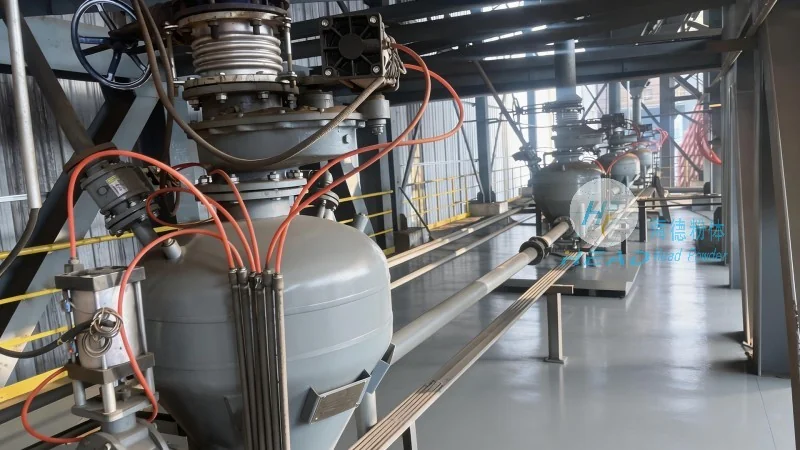
Positive Pressure Pneumatic Conveying Systems
Positive pressure systems operate by blowing air or a mixture of air and other gases into the material to be conveyed. The air is forced through the conveying line, creating a positive pressure within the system. This method is often used for short to medium-distance conveying of millet, especially when the material is relatively dry and free-flowing. The primary advantage of positive pressure is its ability to handle abrasive materials without causing excessive wear on the equipment. Additionally, it can be more energy-efficient for shorter distances, as the air is continuously supplied from a blower or compressor.

Negative Pressure Pneumatic Conveying Systems
Negative pressure systems, also known as suction systems, work by creating a vacuum in the conveying line. The vacuum draws the material into the system, which is then transported to the destination. This method is typically used for longer distances or when the material is more difficult to handle, such as wet or sticky millet. Negative pressure systems are generally more suitable for handling fine powders or materials that are prone to dust generation. The key benefit of negative pressure is its ability to minimize product contamination, as the material is drawn into the system rather than being forced through it. However, these systems may require more maintenance due to the higher wear on components from the abrasive nature of the material being conveyed.
Distinguishing Between Positive and Negative Pressure Systems
When deciding between positive and negative pressure for millet pneumatic conveying, several factors should be considered. The first is the distance of the conveying line. Positive pressure is generally preferred for shorter distances, typically up to 100 meters, while negative pressure is more suitable for longer distances, often exceeding 100 meters. The second factor is the material characteristics. If the millet is dry and free-flowing, positive pressure may be sufficient. However, if the material is wet, sticky, or contains fine particles, negative pressure might be necessary to prevent blockages and ensure smooth operation. The third consideration is the system's energy consumption. Positive pressure systems are generally more energy-efficient for short distances, whereas negative pressure systems may require more power for longer runs due to the need to maintain a vacuum. Finally, the cost of equipment and maintenance should be evaluated. Positive pressure systems often have lower initial costs and simpler maintenance, while negative pressure systems may have higher upfront costs but lower operating costs in some cases.

Choosing the Right System for Millet Handling
For millet producers and processors, selecting the appropriate pneumatic conveying system is essential to ensure efficient operation and maintain product quality. By understanding the differences between positive and negative pressure systems and considering factors such as conveying distance, material characteristics, and energy consumption, businesses can make an informed decision. HeadPowder, with its expertise in pneumatic conveying solutions, offers tailored systems that meet the specific needs of millet handling operations. Whether a positive pressure or negative pressure system is chosen, the goal is to achieve efficient, reliable, and cost-effective transportation of millet while minimizing downtime and maintenance costs.