

Chili Pepper Pneumatic Conveying: Choosing Positive Pressure vs. Negative Pressure - How to Distingu
When it comes to transporting chili peppers efficiently and safely, the choice between positive pressure and negative pressure pneumatic conveying systems is a critical decision for processing facilities. Both methods are widely used in the food industry, but they operate on fundamentally different principles and are suited to different operational requirements. Understanding the distinctions between these two approaches is essential for selecting the most appropriate system for chili pepper handling, especially when considering factors like material properties, system design, and operational efficiency.
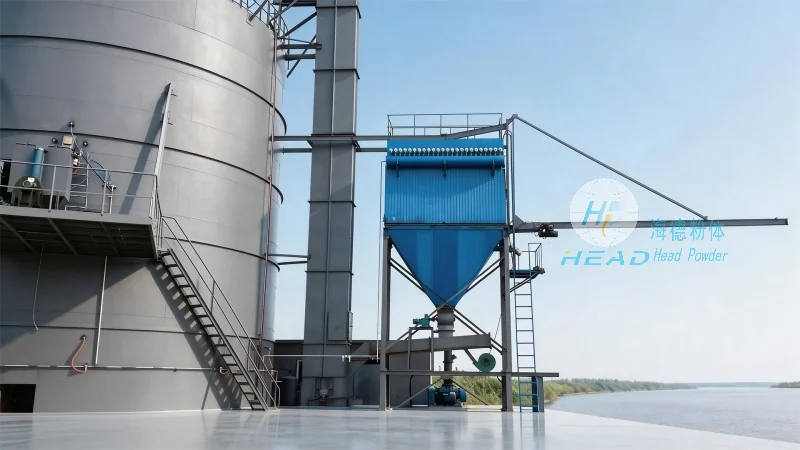
Positive Pressure Pneumatic Conveying Systems
Positive pressure systems, also known as pressure or pressure-assisted conveying, operate by generating air pressure within the conveying line. This is typically achieved using a positive displacement blower or a rotary lobe blower that forces air and material through the system. The air is introduced at the inlet, and the pressure is maintained throughout the entire conveying path, including any bends, filters, and silos. This method is particularly effective for handling dry, free-flowing materials like chili peppers, as the positive pressure helps to overcome friction and maintain consistent flow rates.
For chili pepper processing, positive pressure systems are often preferred when the material needs to be conveyed over longer distances or through complex system layouts. The consistent pressure ensures that the material is moved smoothly without the risk of clogging or blockages, which can be common in negative pressure systems. Additionally, positive pressure systems are generally easier to clean and maintain, as the air flow is directed away from the material, reducing the risk of contamination and making it simpler to sanitize the system.
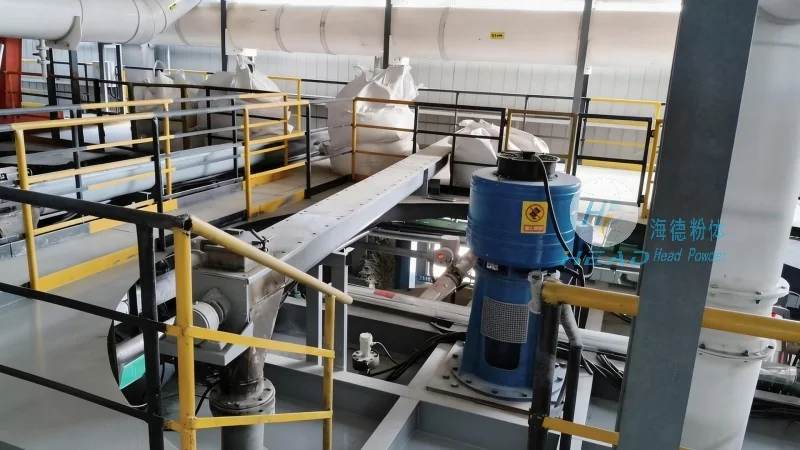
Negative Pressure Pneumatic Conveying Systems
Negative pressure systems, also called vacuum or suction conveying, work by creating a vacuum at the inlet of the system. This is typically achieved using a rotary vane or roots blower that draws air and material into the conveying line. The vacuum is maintained at the inlet, and the air flows back to the exhaust, carrying the material with it. This method is often used for materials that are more cohesive or have a higher moisture content, as the suction helps to lift and transport the material more gently.
In the context of chili pepper handling, negative pressure systems may be more suitable for applications where the material is being transferred from a hopper or silo to a processing unit, especially when the distance is shorter and the system layout is simpler. The lower pressure differentials in negative pressure systems can be gentler on the material, reducing the risk of breakage or damage to the chili peppers. However, these systems are more prone to clogging and require more frequent maintenance to prevent blockages, particularly when handling materials with high moisture content or fine particles.
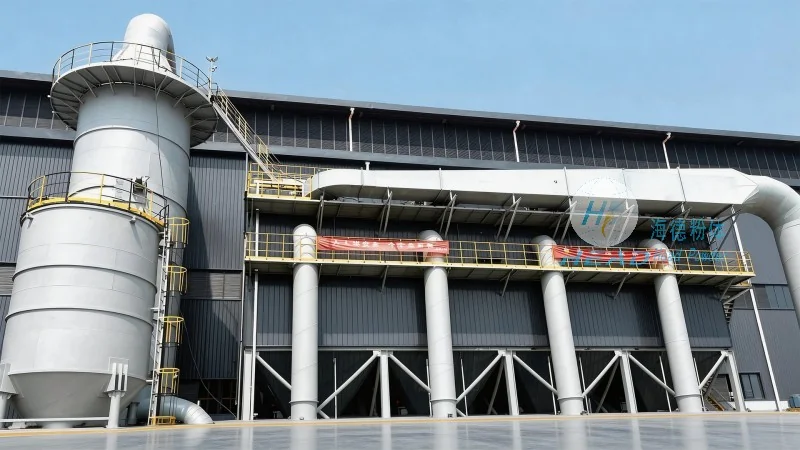
Distinguishing Between Positive and Negative Pressure Systems
Several key factors can help in distinguishing between positive and negative pressure pneumatic conveying systems for chili pepper applications. First, consider the material characteristics: positive pressure is better for dry, free-flowing materials like chili peppers, while negative pressure may be more appropriate for cohesive or moist materials. Second, evaluate the system layout and distance: positive pressure is ideal for longer distances or complex layouts, whereas negative pressure is more suitable for shorter distances and simpler systems. Third, assess the operational requirements: positive pressure systems offer better control over pressure and flow, making them easier to regulate, while negative pressure systems are generally more cost-effective for short-distance transfers.

Choosing the Right System for Chili Pepper Processing
When selecting between positive and negative pressure pneumatic conveying for chili pepper processing, it is essential to evaluate the specific needs of the operation. Positive pressure systems are generally more reliable and efficient for large-scale, long-distance conveying, while negative pressure systems may be more cost-effective for smaller-scale or shorter-distance applications. The choice also depends on the processing environment, such as whether the facility requires high levels of hygiene and easy cleaning, which positive pressure systems often provide. Ultimately, the decision should be based on a thorough analysis of the material properties, system requirements, and operational goals to ensure optimal performance and efficiency.
About Shandong HeadPowder Engineering Co., Ltd.
Shandong HeadPowder Engineering Co., Ltd., a leading provider of pneumatic conveying solutions, specializes in designing and manufacturing systems tailored to the unique needs of the food processing industry. With a focus on quality, efficiency, and safety, HeadPowder offers a range of positive and negative pressure systems that meet the stringent requirements of chili pepper processing facilities. Based in Shandong, China, the company leverages its expertise and experience to deliver customized solutions that enhance productivity and ensure the quality of the final product. Whether you are considering a new system or upgrading an existing one, HeadPowder provides the expertise and support needed to make the right choice for your chili pepper conveying needs.