

Carbon Black Pneumatic Conveying: Choosing Positive Pressure vs. Negative Pressure Systems? How to D
When it comes to handling carbon black materials, selecting the right pneumatic conveying system is crucial for efficiency, cost-effectiveness, and operational safety. Two primary types of systems dominate the industry: positive pressure and negative pressure. Understanding the differences between these systems is essential for making an informed decision that aligns with your specific material handling needs. This article explores the key distinctions between positive and negative pressure carbon black conveying systems, helping you determine which approach is best suited for your application.
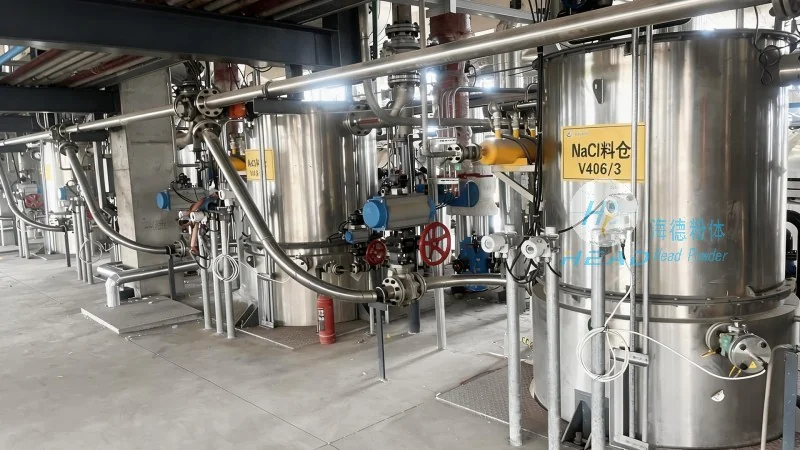
What is Positive Pressure Conveying?
Positive pressure conveying, also known as pressure pneumatic conveying, operates by generating pressure within the conveying line. This is typically achieved using a positive displacement blower or a rotary lobe pump. The system forces air and material through the pipeline, creating a positive pressure environment. In this setup, the conveying line is under pressure, and the material is drawn from a hopper or storage silo into the system. The primary advantage of positive pressure systems is their ability to handle long distances and multiple transfer points without significant pressure loss. They are particularly effective for applications requiring high material throughput and consistent flow rates. For carbon black, which is often used in high-volume industrial processes, positive pressure systems can efficiently transport large quantities of material over extended distances, ensuring reliable delivery to processing equipment.
What is Negative Pressure Conveying?
Negative pressure conveying, or vacuum pneumatic conveying, works by creating a vacuum within the conveying line. This is typically accomplished using a rotary vane or roots blower that pulls air and material from the source and through the system. The system operates under a negative pressure relative to the ambient environment, drawing material from the hopper or storage area into the pipeline. Negative pressure systems are generally more suitable for shorter distances and less complex transfer routes. They are often preferred for applications where the material is sensitive to pressure changes or where the system needs to handle dust or fine particles without causing excessive wear on equipment. For carbon black, which can be abrasive and generate dust, negative pressure systems may be advantageous as they minimize material degradation and reduce the risk of dust contamination in the surrounding environment.
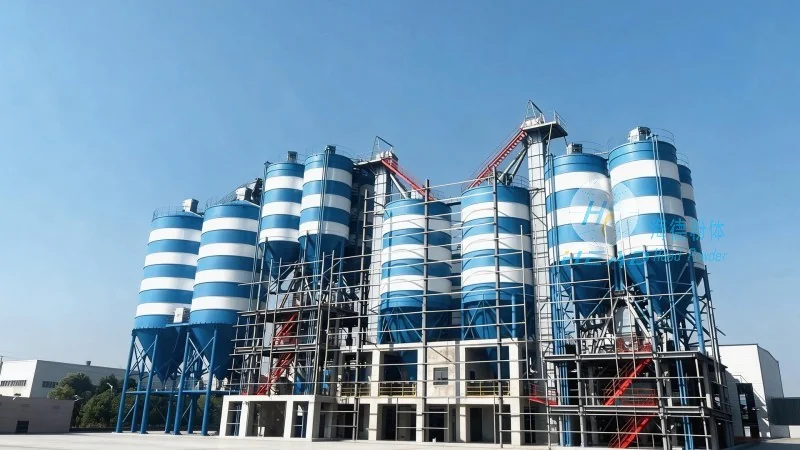
Distinguishing Between Positive and Negative Pressure Systems
Several key factors help differentiate between positive and negative pressure carbon black conveying systems. The most obvious distinction is the direction of pressure: positive systems maintain pressure above ambient, while negative systems maintain pressure below ambient. Another critical factor is the material handling capability. Positive pressure systems excel at high-volume, long-distance transport, making them ideal for large-scale carbon black operations. In contrast, negative pressure systems are better suited for shorter distances and applications where material sensitivity or dust control is a priority. The system design also varies: positive pressure systems typically use robust components like positive displacement blowers to handle high pressures, whereas negative pressure systems rely on vacuum pumps to create suction. Additionally, the cost and maintenance requirements differ. Positive pressure systems may require more powerful equipment and higher energy consumption, while negative pressure systems can be more economical for smaller-scale operations. When evaluating these systems, it's essential to consider the specific characteristics of your carbon black material, such as particle size, moisture content, and abrasiveness, as these factors will influence the choice of system that ensures optimal performance and longevity.
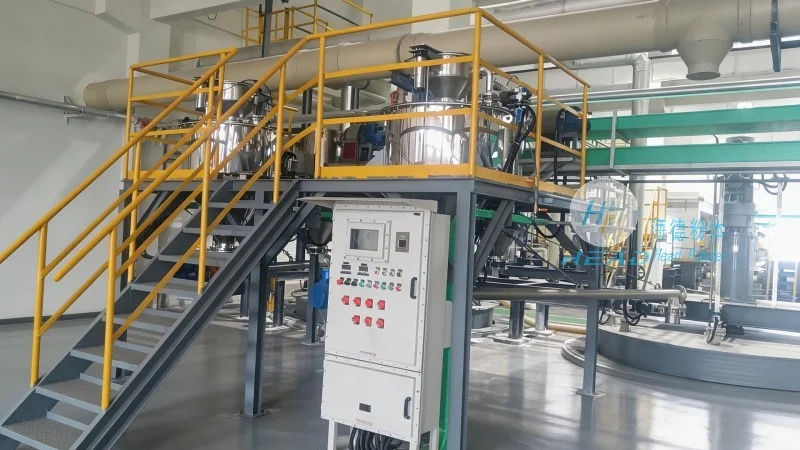
Factors to Consider When Choosing a Conveying System
Choosing between positive and negative pressure carbon black conveying systems involves evaluating several critical factors. First, consider the distance and number of transfer points. If your operation requires transporting carbon black over long distances or through multiple points, a positive pressure system is likely the better choice due to its ability to maintain pressure and material flow over extended pipelines. Conversely, if the transfer distance is short and the system involves fewer transfer points, a negative pressure system may suffice. Second, assess the material properties of your carbon black. For example, if the material is highly abrasive or prone to generating dust, a negative pressure system might be preferred to minimize wear on components and reduce dust emissions. Third, evaluate the system's energy efficiency and operational costs. Positive pressure systems generally consume more energy due to the need to maintain high pressure, while negative pressure systems can be more energy-efficient for shorter distances. Fourth, consider the space and layout of your facility. Positive pressure systems may require more space for equipment and piping, whereas negative pressure systems can be more compact. Finally, consult with industry experts or manufacturers like Shandong HeadPowder Engineering Co., Ltd. to ensure the chosen system meets all regulatory and safety standards. By carefully weighing these factors, you can select the most appropriate pneumatic conveying system for your carbon black handling needs, optimizing performance and reducing operational costs.
Conclusion
Choosing between positive and negative pressure carbon black pneumatic conveying systems requires a thorough understanding of the operational requirements and material characteristics. Positive pressure systems offer high efficiency for long-distance, high-volume transport, while negative pressure systems excel in shorter distances and applications where material sensitivity or dust control is critical. By evaluating factors such as distance, material properties, energy consumption, and space constraints, you can make an informed decision that enhances operational efficiency and ensures the safe and reliable handling of carbon black materials. Shandong HeadPowder Engineering Co., Ltd., a leading provider of pneumatic conveying solutions, specializes in designing and implementing tailored systems that meet the unique needs of carbon black processing facilities. With their expertise in both positive and negative pressure technologies, they can help you select the optimal conveying system to improve productivity and reduce costs in your carbon black handling operations.