

Choosing Positive Pressure vs. Negative Pressure Pneumatic Conveying in Pharmaceutical Gas Handling:
When selecting a pneumatic conveying system for pharmaceutical applications, manufacturers often face a critical decision: whether to use positive pressure or negative pressure technology. This choice significantly impacts operational efficiency, product integrity, and compliance with stringent industry regulations. Understanding the fundamental differences between these two approaches is essential for making an informed selection that aligns with specific production needs. In this article, we explore the key characteristics of positive and negative pressure systems, their applications, and how to effectively distinguish between them.
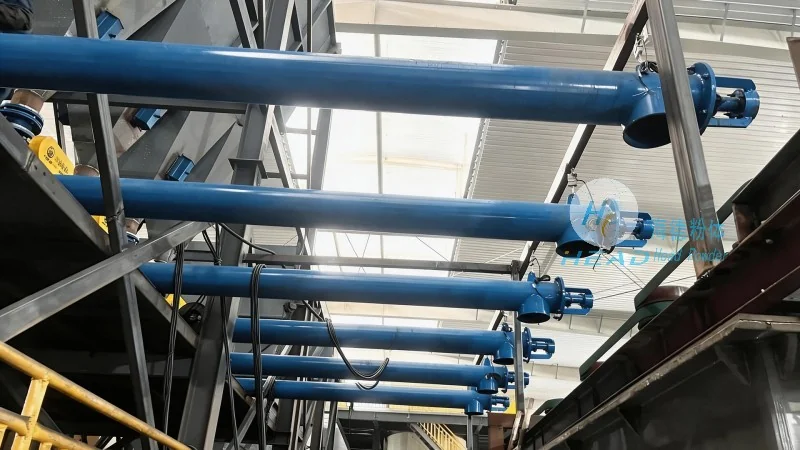
Introduction to Pneumatic Conveying in the Pharmaceutical Sector
Pneumatic conveying is a widely used method for transporting bulk powders and granules in the pharmaceutical industry. It offers advantages such as reduced contamination risk, improved process control, and the ability to handle sensitive materials. The two primary types of pneumatic conveying systems are positive pressure and negative pressure, each with distinct mechanisms and suitability for different operational scenarios.
Positive Pressure Pneumatic Conveying: Principles and Applications
Positive pressure systems operate by generating air pressure within the conveying line, typically using a blower or compressor. The air is forced through the pipeline, carrying the material from the source to the destination. This method is often preferred for applications requiring high material flow rates and long-distance transport. The positive pressure environment helps maintain a consistent flow, minimizing the risk of material degradation or clogging. For pharmaceutical manufacturers, positive pressure systems are particularly suitable for handling materials that are prone to moisture absorption or require strict containment, as the sealed system prevents external contamination.
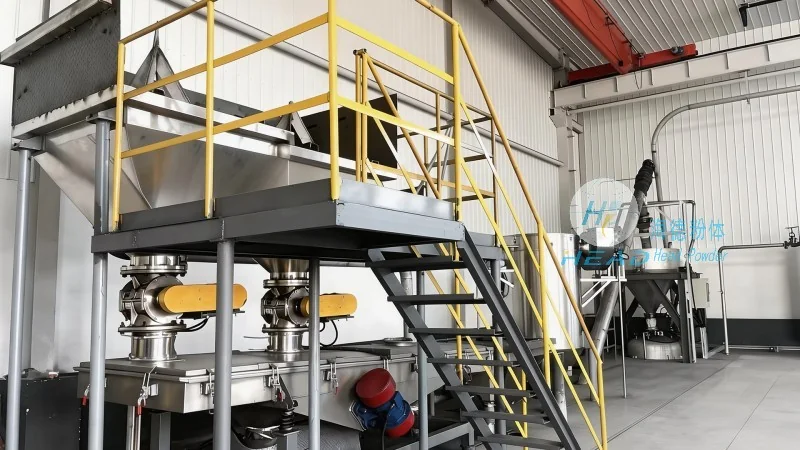
Negative Pressure Pneumatic Conveying: How It Works
Negative pressure systems, also known as vacuum or suction systems, create a lower pressure inside the conveying line compared to the ambient environment. A vacuum pump draws air and material from the source, pulling it through the pipeline to the destination. This approach is generally more energy-efficient for short-distance or low-flow applications. Negative pressure systems are commonly used for handling materials that are less sensitive to pressure changes and where space constraints limit the use of positive pressure equipment. However, they may be less effective for transporting materials that are prone to bridging or clogging due to the lower air velocity.
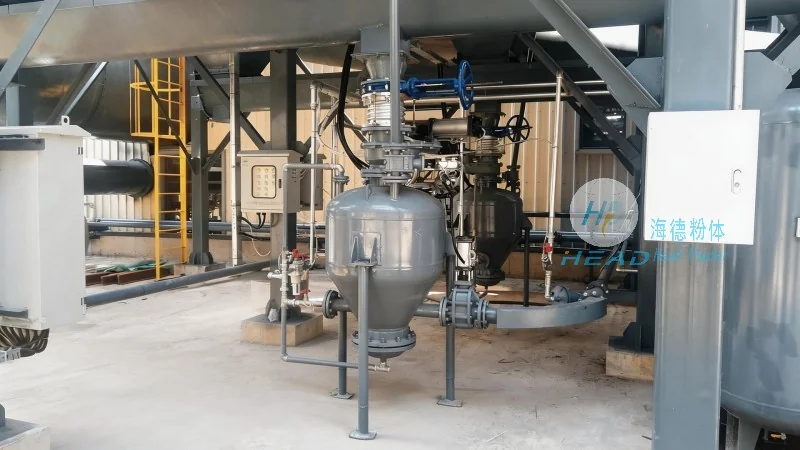
Distinguishing Between Positive and Negative Pressure Systems
The key differences between positive and negative pressure pneumatic conveying systems can be summarized by several factors, including pressure differentials, material handling capabilities, and energy consumption. Positive pressure systems maintain higher air pressure, ensuring consistent material flow and reducing the risk of blockages. They are ideal for high-volume, long-distance transport and for materials that require strict containment. In contrast, negative pressure systems rely on suction, making them more suitable for shorter distances and lower material loads. The choice between the two often depends on the specific characteristics of the material being conveyed, the layout of the production facility, and the desired level of process control.
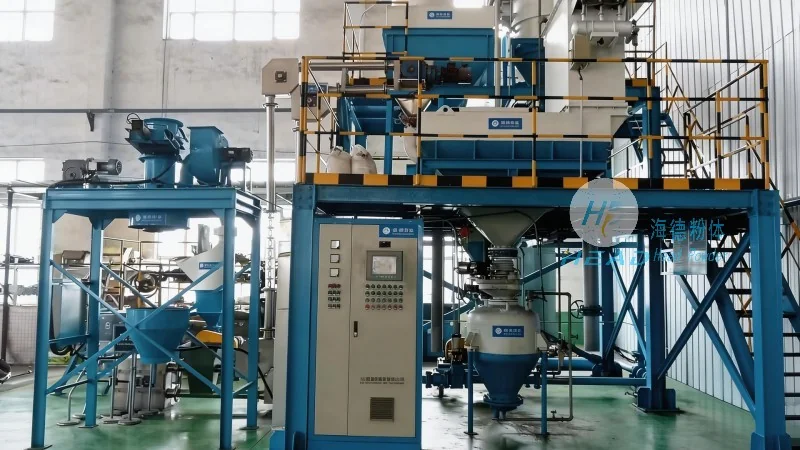
Factors to Consider When Choosing a Pneumatic Conveying System
When selecting between positive and negative pressure pneumatic conveying systems, pharmaceutical manufacturers should evaluate several critical factors. The first consideration is the material properties, such as particle size, moisture content, and flowability. Materials that are cohesive or prone to bridging may perform better with positive pressure systems due to the higher air velocity and pressure. The second factor is the system layout and distance between the source and destination. Positive pressure systems are generally more effective for longer distances, while negative pressure systems are better suited for shorter runs. Energy consumption is another important consideration, as negative pressure systems typically require less power but may have higher maintenance costs due to the vacuum pump. Additionally, regulatory compliance plays a role, as both systems must meet the stringent requirements of the pharmaceutical industry regarding contamination control and material integrity.
Conclusion: Making the Right Choice for Your Pharmaceutical Operation
Choosing between positive pressure and negative pressure pneumatic conveying systems is a decision that requires careful evaluation of operational needs, material characteristics, and regulatory requirements. Positive pressure systems offer robust performance for high-volume and long-distance transport, while negative pressure systems provide energy efficiency for shorter applications. By understanding the fundamental differences and considering the specific demands of your pharmaceutical operation, you can select the most appropriate system to ensure efficient, safe, and compliant material handling. Whether you opt for positive or negative pressure, the goal is to maintain product quality, minimize downtime, and enhance overall process reliability. For pharmaceutical manufacturers seeking expert guidance on pneumatic conveying solutions, Shandong HeadPowder Engineering Co., Ltd. (headpowder) offers specialized expertise and tailored systems to meet the unique challenges of the industry.