

[Choosing Between Positive Pressure and Negative Pressure for Light Calcium Powder Pneumatic Conveyi
When it comes to transporting light calcium powder, selecting the right pneumatic conveying system is crucial for efficiency, cost-effectiveness, and operational reliability. The choice between positive pressure and negative pressure systems often presents a critical decision point for industrial facilities handling this material. This article aims to provide a comprehensive guide to understanding the differences between these two methods, helping you make an informed choice based on your specific operational needs.
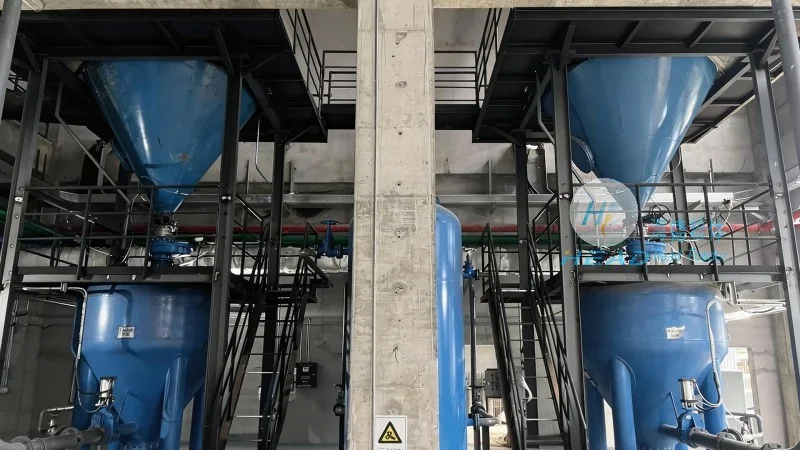
Understanding Positive Pressure and Negative Pressure Conveying
Positive pressure conveying systems operate by generating air pressure inside the conveying line, pushing the material forward. This method typically involves a blower or fan that supplies compressed air to the system, ensuring the material is propelled through the pipeline. The primary advantage of positive pressure systems is their ability to handle long distances and multiple transfer points without significant pressure drops. They are particularly effective for applications requiring high material throughput and consistent flow rates.
Key Differences Between Positive and Negative Pressure Systems
One of the most significant distinctions lies in the pressure dynamics. Positive pressure systems maintain a higher pressure than the ambient environment, while negative pressure systems create a vacuum by drawing air out of the line, pulling material in. This fundamental difference impacts system design, energy consumption, and material handling capabilities. For instance, positive pressure systems are generally more suitable for abrasive or heavy materials, as they can handle higher pressures without damaging the equipment. In contrast, negative pressure systems are often preferred for lighter, more delicate powders like light calcium, as they minimize particle breakage and maintain product integrity.
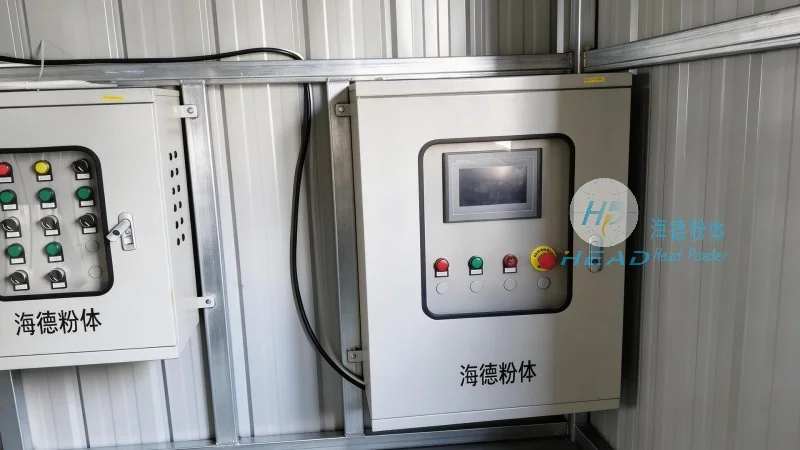
Factors to Consider When Choosing a Conveying Method for Light Calcium Powder
Several factors should be evaluated when deciding between positive and negative pressure for light calcium powder. First, consider the distance and layout of the conveying system. Positive pressure systems excel in long-distance transfers, as they can maintain pressure over extended lengths. Negative pressure systems, however, are better suited for shorter distances or when the material needs to be collected from multiple points. Second, evaluate the material's properties. Light calcium powder is relatively light and can be prone to dust generation. Negative pressure systems help contain dust by creating a vacuum, reducing airborne particles. Third, assess the system's energy efficiency. Positive pressure systems may consume more energy due to the need to compress air, whereas negative pressure systems can be more energy-efficient for shorter runs. Finally, consider maintenance and operational costs. Positive pressure systems often require more robust components to withstand higher pressures, leading to higher maintenance expenses. Negative pressure systems, while potentially simpler, may need more frequent filter changes to prevent dust buildup.
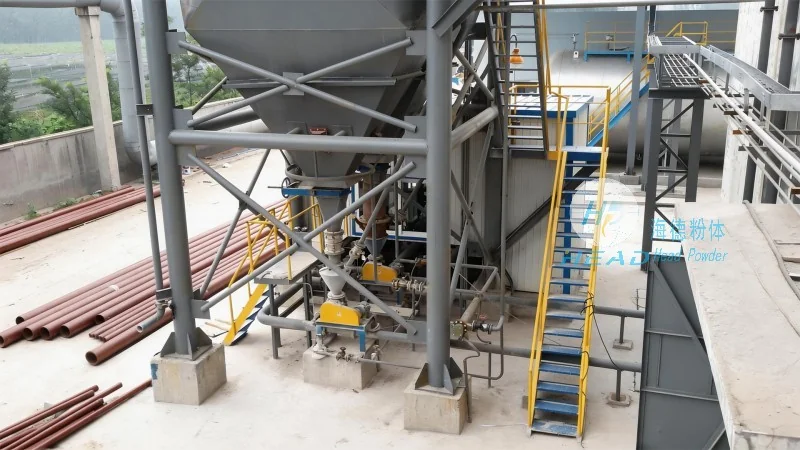
Application Examples and Practical Considerations
Real-world applications provide valuable insights into the suitability of each system. For example, a large-scale light calcium production facility in China might use a positive pressure system to transport the powder from storage silos to processing lines over a distance of several hundred meters. The system would likely include a high-capacity blower and a series of pipeline branches to serve multiple processing units. Conversely, a smaller-scale operation might opt for a negative pressure system to transfer light calcium from a hopper to a mixing tank over a short distance. This setup would involve a vacuum pump and a dust collection system to ensure compliance with environmental regulations. Practical considerations also include the need for dust control and product quality. In both cases, the choice of system impacts the overall operational efficiency and safety of the process.
Conclusion and Recommendations
Choosing between positive and negative pressure for light calcium powder pneumatic conveying requires a careful evaluation of operational requirements, material properties, and system constraints. Positive pressure systems offer advantages in long-distance and high-throughput applications, while negative pressure systems excel in short-distance transfers and dust containment. Ultimately, the best choice depends on the specific needs of your facility. It is recommended to consult with experts, such as Shandong HeadPowder Engineering Co., Ltd., a leading provider of pneumatic conveying solutions based in China, to assess your unique requirements and design an optimal system. By doing so, you can ensure efficient material handling, minimize operational costs, and maintain product quality throughout the conveying process.