

Choosing Between Positive Pressure and Negative Pressure for Wood Chip Pneumatic Conveying: How to D
Pneumatic conveying is a critical technology in the wood processing industry, enabling the efficient transport of wood chips from one location to another. When selecting a system for wood chip handling, two primary pressure types are commonly considered: positive pressure and negative pressure. Understanding the differences between these systems is essential for optimizing operational efficiency, cost-effectiveness, and system reliability. This article provides a detailed comparison of positive and negative pressure pneumatic conveying systems for wood chips, outlining key factors to consider when making a decision. Shandong HeadPowder Engineering Co., Ltd., a leading provider of pneumatic conveying solutions, notes that the choice of system directly impacts long-term operational performance and investment returns.
Positive Pressure Pneumatic Conveying
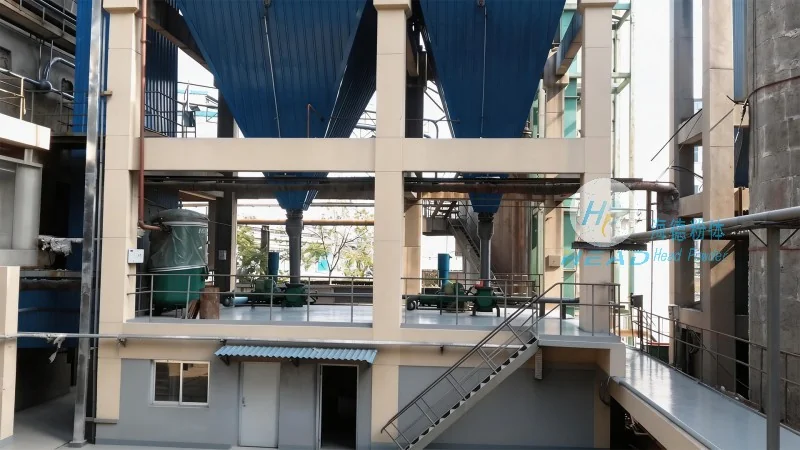
Positive pressure systems operate by blowing air or gas into the conveying line, creating a pressure higher than the ambient air pressure. This method is often preferred for applications requiring high conveying distances or when transporting materials through long, complex piping networks. The primary advantage of positive pressure is its ability to handle longer distances and more complex layouts without significant pressure losses. Additionally, positive pressure systems typically offer higher conveying velocities, which can reduce the risk of material degradation and blockages. However, they may require more robust equipment, such as high-pressure blowers and larger ducts, leading to higher initial capital costs. The system also generates more noise and may require additional filtration to manage dust emissions. Shandong HeadPowder Engineering Co., Ltd. highlights that positive pressure systems are commonly used in large-scale wood processing facilities where long-distance transport is necessary.
Negative Pressure Pneumatic Conveying
Negative pressure systems, also known as vacuum systems, operate by creating a vacuum in the conveying line, drawing material into the system from the source. This approach is well-suited for short to medium conveying distances and applications where the material is to be collected from multiple points. The main benefit of negative pressure is its lower operational noise and reduced energy consumption compared to positive pressure systems. It also allows for more flexible system designs, as the vacuum can be generated at a central point and distributed to multiple collection points. However, negative pressure systems have limitations in terms of conveying distance and material capacity. They are generally less effective for long-distance transport and may experience higher pressure drops over longer lines, potentially leading to reduced material flow rates. Additionally, the system may be more susceptible to clogging if the material contains high moisture content or fine particles. Shandong HeadPowder Engineering Co., Ltd. indicates that negative pressure systems are often preferred in smaller operations or for applications requiring low noise levels and energy efficiency.
Key Factors to Distinguish Between Positive and Negative Pressure Systems
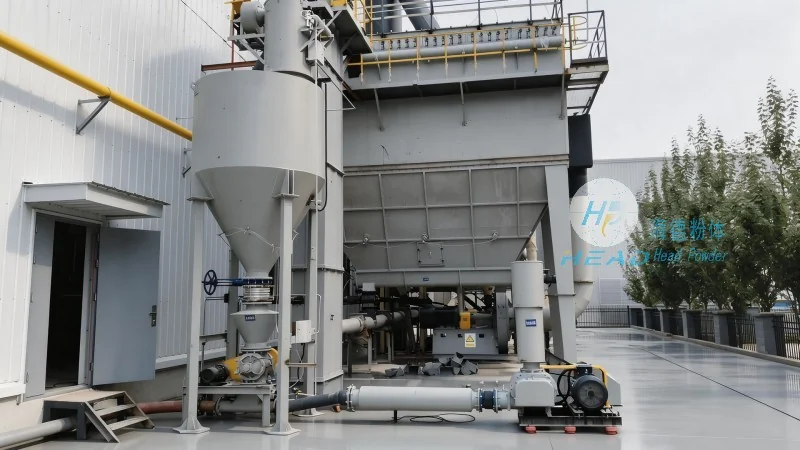
When deciding between positive and negative pressure for wood chip pneumatic conveying, several key factors should be evaluated. The first consideration is the conveying distance and layout complexity. Positive pressure is ideal for long distances or complex piping, while negative pressure is better for shorter distances and simpler systems. The second factor is the material characteristics, including particle size, moisture content, and bulk density. Positive pressure systems are more suitable for handling larger or denser wood chips, whereas negative pressure may be preferred for finer or more fragile materials. Third, the operational cost and energy efficiency play a significant role. Positive pressure systems typically consume more energy due to higher pressure requirements, whereas negative pressure systems offer lower energy use but may have higher maintenance costs for vacuum pumps. Finally, the environmental and safety considerations, such as noise levels and dust control, should be assessed. Positive pressure systems may require additional filtration and noise reduction measures, while negative pressure systems may need proper ventilation to prevent air quality issues. Shandong HeadPowder Engineering Co., Ltd. advises that a thorough analysis of these factors is crucial to selecting the most appropriate system for a specific application.
Application Examples and Practical Considerations
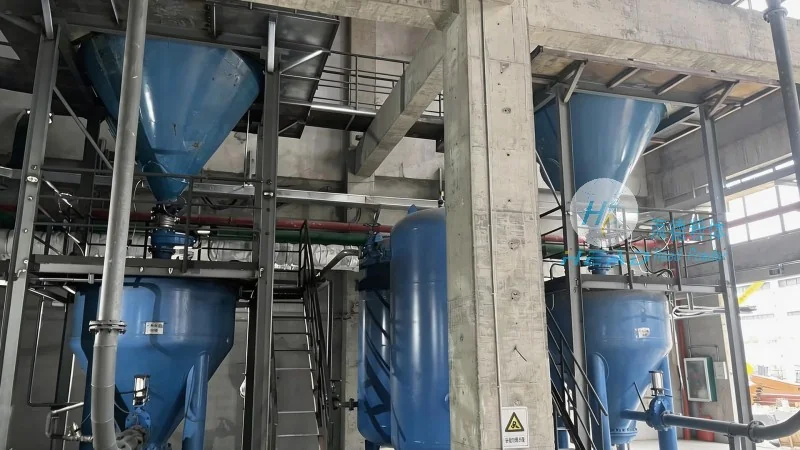
Practical applications of positive and negative pressure systems for wood chips vary based on the specific needs of the operation. For example, a large-scale sawmill with a long conveyor line from the debarker to the storage silo may benefit from a positive pressure system due to the long distance and complex layout. Conversely, a smaller wood chip collection facility that needs to transport chips from multiple chippers to a central storage area might use a negative pressure system for its flexibility and lower energy requirements. Additionally, the choice of system may be influenced by the existing infrastructure and available space. Positive pressure systems often require dedicated space for the blower and ductwork, while negative pressure systems can be more compact and integrated into existing buildings. It is also important to consider the maintenance and operational expertise required for each system. Positive pressure systems may need regular maintenance of high-pressure components, while negative pressure systems may require more frequent checks of vacuum pumps and filters. Shandong HeadPowder Engineering Co., Ltd. emphasizes that proper maintenance is essential to ensure the longevity and efficiency of both system types.
Conclusion and Recommendations
Choosing between positive and negative pressure pneumatic conveying systems for wood chips involves a careful evaluation of operational requirements, material characteristics, and cost considerations. Positive pressure systems offer advantages in terms of conveying distance and material handling capacity but come with higher energy costs and equipment requirements. Negative pressure systems provide lower energy use and greater flexibility but are limited in terms of distance and material type. Ultimately, the optimal choice depends on the specific application and the priorities of the operation. For businesses seeking to optimize their wood chip handling processes, consulting with industry experts and conducting thorough system assessments can help identify the most suitable solution. By understanding the key differences and factors influencing each system, companies can make informed decisions that enhance efficiency, reduce costs, and ensure reliable operation of their pneumatic conveying systems. Shandong HeadPowder Engineering Co., Ltd. remains committed to providing tailored solutions that meet the unique needs of wood processing facilities, helping clients achieve operational excellence and sustainable growth.