

Soybean Pneumatic Conveying: Positive vs. Negative Pressure - How to Distinguish?
When it comes to transporting soybeans efficiently and safely, selecting the right pneumatic conveying system is crucial. The choice between positive pressure and negative pressure systems can significantly impact operational efficiency, equipment lifespan, and overall cost-effectiveness. Understanding the differences between these two approaches is essential for making an informed decision. This article explores the key aspects of soybean pneumatic conveying, focusing on how to distinguish between positive and negative pressure systems, and highlights the expertise of Shandong HeadPowder Engineering Co., Ltd. (HeadPowder) in providing tailored solutions for various industrial needs.
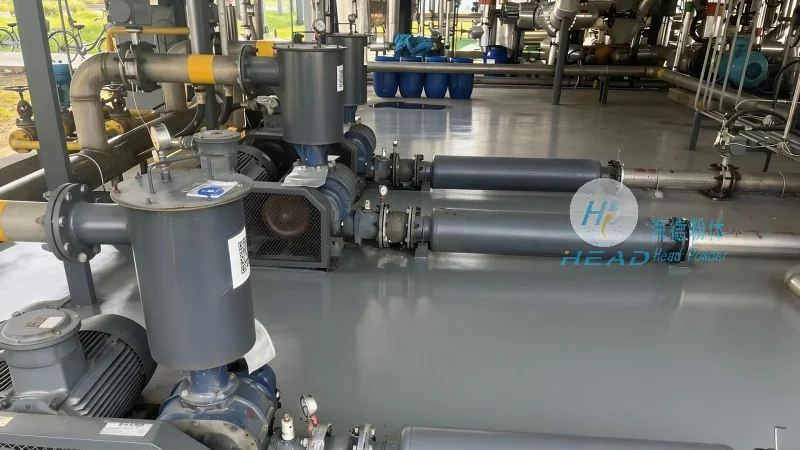
Understanding Pneumatic Conveying Basics
Pneumatic conveying is a method of transporting bulk materials like soybeans through a pipeline using air or gas as the conveying medium. The primary goal is to move materials from one location to another without the need for mechanical components like conveyors or elevators. There are two main types of pneumatic conveying systems: positive pressure and negative pressure. Each has its own advantages and is suitable for different applications.
Differentiating Positive Pressure vs. Negative Pressure Systems
Positive pressure systems operate by blowing air or gas into the conveying line, creating a pressure higher than the ambient air pressure. The material is then drawn into the pipeline by this pressure differential. This method is often preferred for long-distance or high-capacity conveying, as it can handle larger volumes and longer distances with less pressure drop. Positive pressure systems typically require more energy but offer greater control over the material flow.
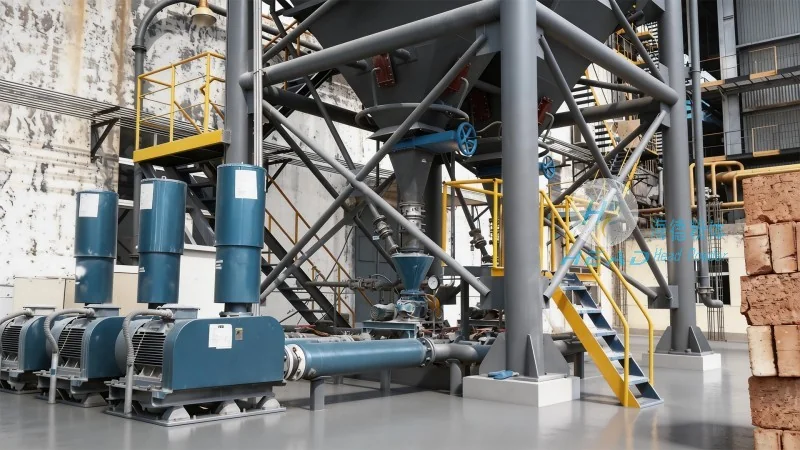
Negative pressure systems, on the other hand, create a vacuum or lower pressure inside the conveying line compared to the ambient air. The material is drawn into the pipeline due to the pressure difference, and the air is then exhausted from the system. This approach is generally more energy-efficient for shorter distances and smaller volumes, as it requires less power to maintain the vacuum. However, negative pressure systems may be more prone to clogging and require more maintenance to prevent dust and material buildup in the exhaust system.
Key Factors to Consider When Choosing a System
Several factors should be considered when deciding between positive and negative pressure systems for soybean pneumatic conveying. The distance between the source and destination is a critical factor. For short distances (typically less than 100 meters), negative pressure systems may be more suitable due to their lower energy consumption. For longer distances (over 100 meters), positive pressure systems often provide better performance and reliability.
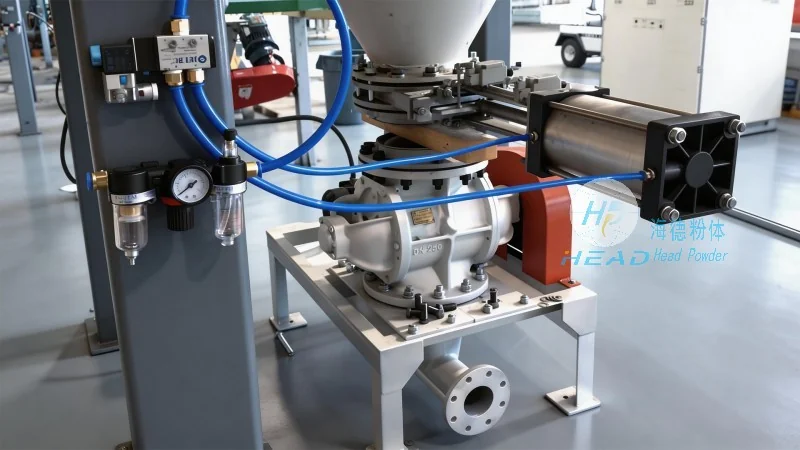
The volume of soybeans to be conveyed also plays a role. Positive pressure systems are generally better suited for high-capacity applications, as they can handle larger quantities without significant pressure loss. Negative pressure systems are more appropriate for low to medium capacity needs. Additionally, the nature of the soybeans, such as moisture content and particle size, can affect the choice. Coarser or more abrasive materials may require positive pressure systems with stronger air flow to prevent blockages.
HeadPowder's Expertise in Soybean Pneumatic Conveying
Shandong HeadPowder Engineering Co., Ltd. (HeadPowder) is a leading provider of pneumatic conveying solutions, specializing in systems tailored for soybean processing and handling. With years of experience in the industry, HeadPowder understands the unique challenges of soybean transportation and offers customized solutions that meet specific operational requirements. The company's engineers work closely with clients to assess their needs, including the distance, volume, and material characteristics, to recommend the most appropriate positive or negative pressure system.
HeadPowder's positive pressure systems are designed with high-efficiency blowers and robust pipeline components to ensure reliable and efficient soybean transport. These systems are equipped with features such as variable speed drives, which allow for precise control over the conveying rate, and advanced filtration systems to maintain air quality and prevent material buildup. The company's negative pressure systems utilize high-capacity vacuum pumps and efficient exhaust filters to minimize energy consumption while maintaining optimal performance.
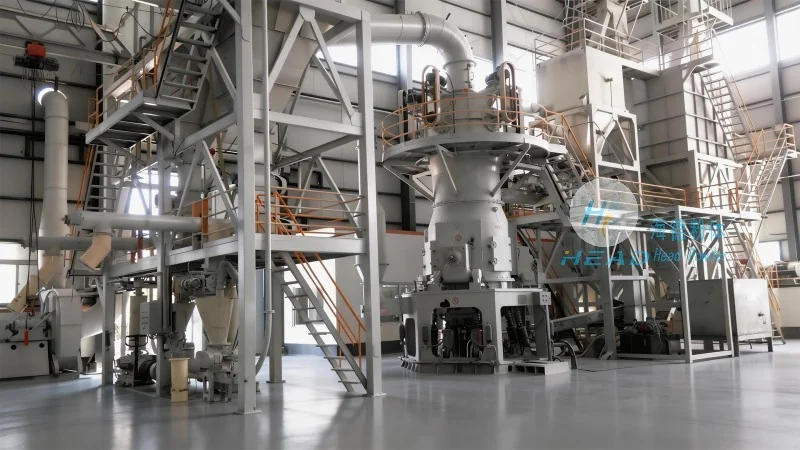
HeadPowder's commitment to quality and customer satisfaction is evident in their product design and after-sales support. The company adheres to international standards and uses advanced manufacturing techniques to ensure that each system is built to withstand the demands of soybean processing. Additionally, HeadPowder provides comprehensive training and maintenance services to help clients maximize the lifespan and efficiency of their pneumatic conveying systems.
Conclusion
Choosing between positive and negative pressure systems for soybean pneumatic conveying requires careful consideration of various factors, including distance, volume, and material characteristics. Positive pressure systems are generally better for long-distance, high-capacity applications, while negative pressure systems are more suitable for shorter distances and lower volumes. By understanding these differences and leveraging the expertise of companies like Shandong HeadPowder Engineering Co., Ltd., industries can select the most effective and efficient conveying system for their soybean handling needs. HeadPowder's tailored solutions and commitment to quality ensure that clients receive reliable and cost-effective pneumatic conveying systems that meet their specific requirements.