

Choosing Between Positive Pressure and Negative Pressure for Sugar Pneumatic Conveying: How to Diffe
When it comes to pneumatic conveying systems for sugar, the choice between positive pressure and negative pressure systems is a critical decision that impacts efficiency, cost, and operational safety. Understanding the fundamental differences and key characteristics of each approach is essential for selecting the most suitable solution for your sugar processing facility. This article will explore the distinctions between positive pressure and negative pressure conveying for sugar, providing insights into how to make an informed choice based on specific operational requirements.
Introduction to Pneumatic Conveying for Sugar
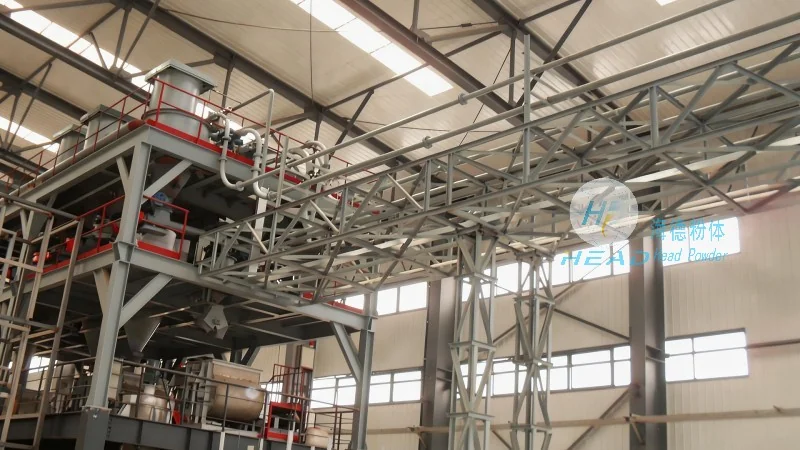
Pneumatic conveying is a widely used method for transporting bulk materials like sugar from one location to another within a processing plant. It involves the use of air or gas to move the material through a pipeline system. The two primary types of pneumatic conveying systems are positive pressure and negative pressure, each with its own set of advantages and limitations. The selection of one over the other depends on factors such as the distance of material transport, the volume of sugar being handled, the required system pressure, and the overall plant layout.
Positive Pressure Pneumatic Conveying for Sugar
Positive pressure conveying systems operate by blowing air or gas into the conveying line, creating a pressure higher than the ambient air pressure. This method is often referred to as "blow-through" or "pressure-assisted" conveying. In a positive pressure system, the material is drawn into the pipeline by the moving air stream, which is typically generated by a positive displacement blower or a centrifugal fan. The high-pressure air pushes the sugar particles through the pipeline, ensuring a continuous and reliable flow. This approach is particularly effective for long-distance conveying and for handling materials that are prone to bridging or caking, as the high air pressure helps to break up agglomerates and maintain a consistent flow.

One of the key advantages of positive pressure systems is their ability to handle long conveying distances without significant pressure loss. The high pressure ensures that the material is transported efficiently over extended lengths, making it suitable for applications where the receiving point is far from the source. Additionally, positive pressure systems are generally more robust and can handle a wider range of sugar types, including fine powders and granules. They are also easier to maintain and repair, as the equipment is typically located at the source end of the system, making access and servicing more straightforward.
Negative Pressure Pneumatic Conveying for Sugar
Contrastingly, negative pressure conveying systems operate by creating a vacuum or lower pressure within the conveying line compared to the ambient air pressure. This method is often called "suction" or "vacuum-assisted" conveying. In a negative pressure system, the air is drawn from the conveying line by a vacuum pump, and the sugar particles are pulled into the pipeline due to the pressure differential. The material is then transported to the receiving point where the air is released, often through a filter or cyclone to separate the sugar from the air.
Negative pressure systems are particularly well-suited for short to medium-distance conveying and for applications where the receiving point is close to the source. They are often used in situations where the material needs to be collected from multiple points and then transported to a central location. The lower pressure in the system reduces the risk of material spillage and dust emissions, making it a more environmentally friendly option in some cases. However, negative pressure systems are generally less efficient for long-distance transport, as the pressure drop can become significant over extended pipelines, potentially leading to reduced material flow rates.
Distinguishing Between Positive and Negative Pressure Systems
So, how can you tell the difference between a positive pressure and a negative pressure pneumatic conveying system for sugar? The most straightforward way is to observe the pressure conditions within the conveying line. In a positive pressure system, the pressure inside the pipeline is higher than the ambient air pressure, often measured in positive values (e.g., +5 psi). Conversely, in a negative pressure system, the pressure inside the pipeline is lower than the ambient air pressure, typically measured as a negative value (e.g., -2 psi). Another key distinction is the location of the air handling equipment. In positive pressure systems, the blower is usually located at the source end, while in negative pressure systems, the vacuum pump is placed at the receiving end.
Operational characteristics also provide clues. Positive pressure systems tend to have higher air velocities and can handle larger volumes of material, making them ideal for high-throughput applications. Negative pressure systems, on the other hand, operate at lower air velocities and are better suited for handling fine powders or materials that are sensitive to high air speeds. The choice between the two also depends on the specific properties of the sugar being conveyed, such as its moisture content, particle size, and tendency to agglomerate. For example, sticky or moist sugar may require the higher air pressure of a positive pressure system to prevent clogging, whereas dry, free-flowing sugar might perform well in a negative pressure system.
Factors to Consider When Choosing a System
When deciding between positive and negative pressure pneumatic conveying for sugar, several factors should be taken into account. The first is the distance of material transport. As mentioned earlier, positive pressure systems are generally preferred for long distances, while negative pressure systems are more suitable for shorter distances. The second factor is the volume of sugar being handled. High-volume applications often benefit from positive pressure systems due to their ability to maintain consistent flow rates over extended periods. The third factor is the required system pressure. Positive pressure systems can operate at higher pressures, which is necessary for overcoming significant resistance in long pipelines, whereas negative pressure systems are limited by the maximum vacuum achievable by the pump.
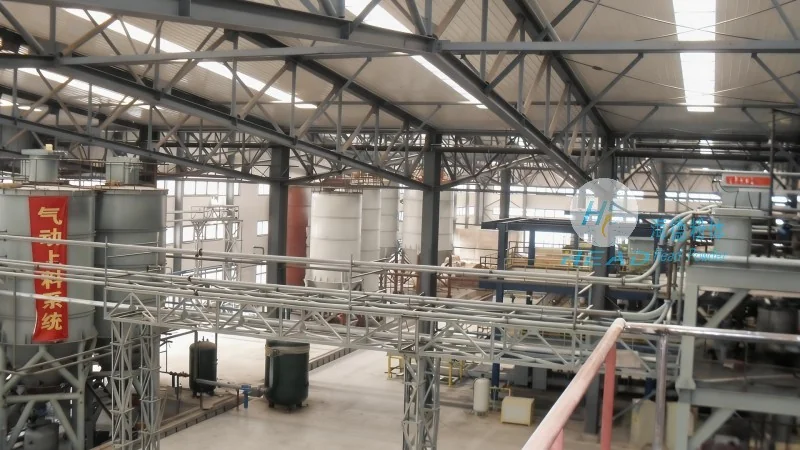
Another important consideration is the plant layout and available space. Positive pressure systems require the blower to be placed near the source, which may limit the options for equipment placement, especially in confined spaces. Negative pressure systems, with the vacuum pump at the receiving end, can be more flexible in terms of equipment positioning. Additionally, the cost of equipment and maintenance should be evaluated. Positive pressure systems typically use more robust and higher-capacity blowers, which can increase initial investment and maintenance costs. Negative pressure systems may use smaller vacuum pumps, potentially reducing upfront costs but requiring more frequent filter changes and maintenance due to the higher dust load.
Conclusion
Choosing between positive pressure and negative pressure pneumatic conveying for sugar is a decision that requires careful evaluation of operational needs, material properties, and system constraints. Positive pressure systems offer advantages in long-distance transport, high material volumes, and handling of sticky or agglomerated sugar, while negative pressure systems excel in short to medium distances, lower material volumes, and applications where dust control and environmental considerations are paramount. By understanding the fundamental differences and key characteristics of each system, as well as the specific requirements of your sugar processing operation, you can select the most efficient and reliable conveying solution. Whether you opt for a positive pressure or negative pressure system, the goal is to ensure smooth, consistent, and safe transport of sugar throughout your facility, ultimately contributing to improved productivity and operational efficiency.