

Choosing Between Positive Pressure and Negative Pressure for Steel Sand Pneumatic Conveying: How to
The selection between positive pressure and negative pressure systems is a critical decision when implementing pneumatic conveying for steel sand applications. Both methods have distinct characteristics, operational principles, and suitability for different industrial scenarios. This guide aims to clarify the differences and help you make an informed choice based on your specific requirements.
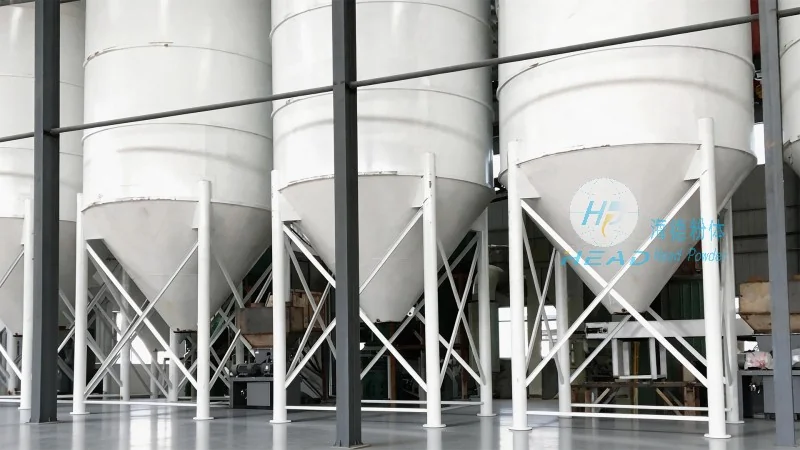
Understanding Pneumatic Conveying Systems for Steel Sand
Pneumatic conveying is a method of transporting bulk materials like steel sand through a pipeline using air or gas. The two primary types are positive pressure and negative pressure systems, each with unique advantages and limitations. Understanding these differences is essential for optimizing material handling efficiency and ensuring system reliability.
Positive Pressure Pneumatic Conveying Systems for Steel Sand
Positive pressure systems utilize compressed air to push material through the conveying line. In this setup, air is introduced at the inlet, creating a pressure higher than the ambient environment, which propels the steel sand forward. This method is particularly effective for long-distance and complex routing, as the pressure can maintain material flow even over significant vertical or horizontal distances.
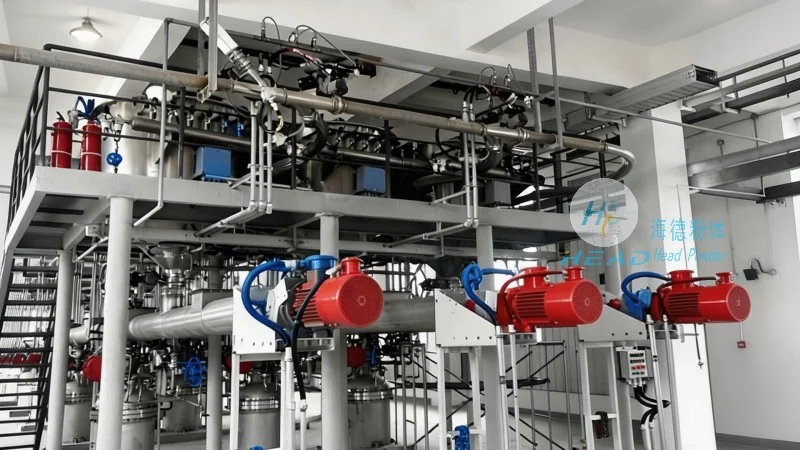
Key advantages of positive pressure systems include their ability to handle abrasive materials like steel sand without excessive wear on components. They also offer better control over the conveying process, making them suitable for applications requiring precise material delivery. Additionally, positive pressure systems are often more resistant to blockages caused by moisture or other contaminants, as the high pressure helps to dislodge particles.
However, positive pressure systems may require more robust sealing and safety measures due to the higher air pressure involved. They can also be more expensive to install and maintain, especially when dealing with large volumes or long-distance transport. The compressed air consumption is another factor to consider, as it contributes to operational costs.
Negative Pressure (Vacuum) Pneumatic Conveying Systems for Steel Sand
Negative pressure systems, also known as vacuum systems, operate by creating a low-pressure environment at the inlet, drawing material into the pipeline. A vacuum pump or fan pulls air and material from the source, such as a hopper or storage bin, and transports it to the destination. This method is ideal for short-distance conveying and applications where the material needs to be collected from multiple points.
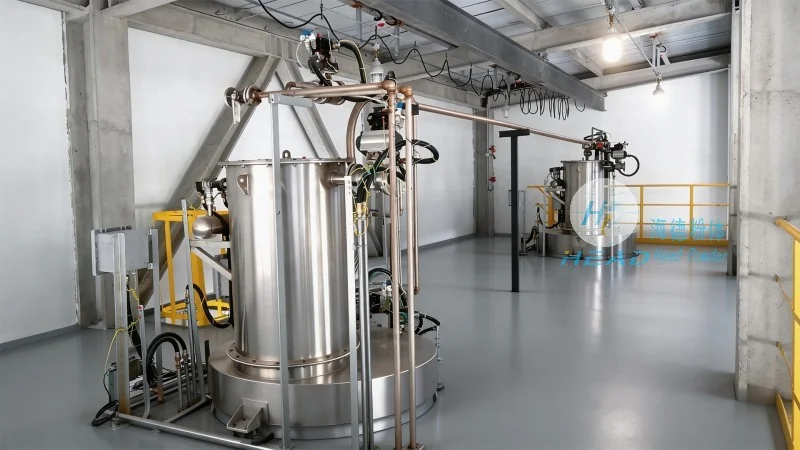
One of the main benefits of negative pressure systems is their lower air consumption compared to positive pressure systems, which can reduce energy costs. They are also generally quieter and less intrusive in the workplace, making them suitable for environments where noise levels are a concern. The vacuum design helps to maintain a clean and dust-free environment at the source, as the material is drawn in rather than expelled.
Nevertheless, negative pressure systems have limitations when it comes to long-distance or high-velocity transport. The vacuum pressure may not be sufficient to overcome significant resistance in the pipeline, leading to reduced material flow rates. They are also more susceptible to blockages from sticky or cohesive materials, as the low pressure can cause particles to adhere to the pipe walls. Maintenance of the vacuum pump and associated components is another consideration, as they may require more frequent servicing.
Key Differences Between Positive and Negative Pressure Systems
When comparing positive and negative pressure systems for steel sand, several factors stand out:
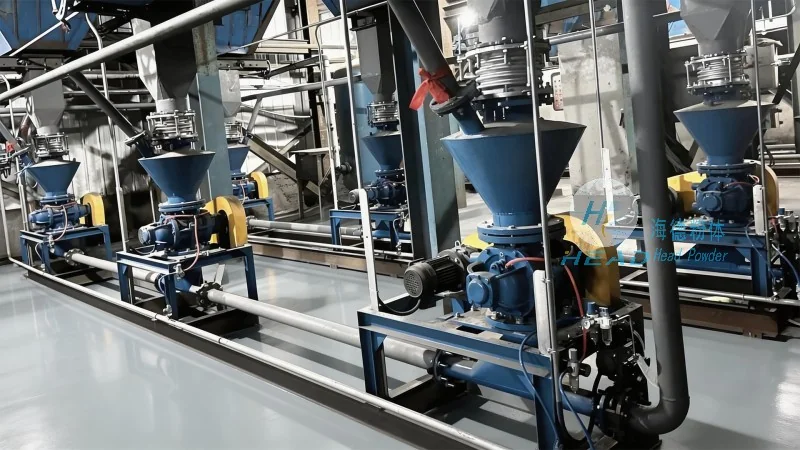
- Pressure Type: Positive pressure uses compressed air to push material, while negative pressure uses a vacuum to pull material.
- Transport Distance: Positive pressure is better suited for long distances and complex layouts, whereas negative pressure is typically used for short distances and simple routes.
- Material Handling: Positive pressure excels with abrasive and dry materials like steel sand, while negative pressure is more effective with fine or dusty materials that are easily drawn into the system.
- Energy Consumption: Negative pressure systems generally consume less energy due to lower air flow rates, but positive pressure systems may be more efficient for high-volume, long-distance transport.
- Cost and Maintenance: Positive pressure systems often have higher initial and operational costs due to the need for high-pressure air compressors and robust components. Negative pressure systems may have lower upfront costs but higher maintenance expenses for the vacuum pump and filtration systems.
How to Distinguish and Choose the Right System for Your Steel Sand Application
Choosing between positive and negative pressure systems depends on several key factors:
- Transport Distance and Layout: If your steel sand needs to be conveyed over long distances or through complex piping with multiple bends and vertical lifts, a positive pressure system is likely the better choice. For short, direct routes from a hopper to a processing unit, a negative pressure system may suffice.
- Material Characteristics: Consider the properties of your steel sand, such as particle size, moisture content, and abrasiveness. Abrasive materials like steel sand benefit from the higher pressure and flow control of positive pressure systems. If the material is fine and dusty, negative pressure may help minimize dust dispersion.
- Environmental and Safety Requirements: Positive pressure systems may be preferred in environments where dust explosion risks are a concern, as the sealed system prevents the release of material into the atmosphere. Negative pressure systems are also effective in maintaining a clean working environment at the source.
- Operational Budget: Evaluate your budget for initial installation and ongoing maintenance. Positive pressure systems may have higher upfront costs but lower energy consumption for long-term operation. Negative pressure systems may have lower initial costs but higher energy and maintenance expenses.
About HeadPowder Engineering Co., Ltd.
HeadPowder Engineering Co., Ltd., a leading manufacturer based in Shandong, China, specializes in providing customized pneumatic conveying solutions for various industrial applications. With years of experience in the field, HeadPowder offers a range of positive and negative pressure systems tailored to the unique needs of steel sand handling. The company's commitment to quality and innovation ensures that clients receive reliable, efficient, and cost-effective equipment that meets industry standards. Whether you need a new system or an upgrade to your existing pneumatic conveying infrastructure, HeadPowder is your trusted partner for all material handling solutions.