

Choosing Between Positive and Negative Pressure for Magnetic Powder Pneumatic Conveying: How to Dist
When it comes to handling magnetic powders, selecting the right pneumatic conveying system is crucial for efficiency, safety, and operational success. The choice between positive pressure and negative pressure systems can significantly impact the performance and reliability of your material handling process. This article explores the key differences between these two approaches, helping you make an informed decision for your magnetic powder conveying needs.
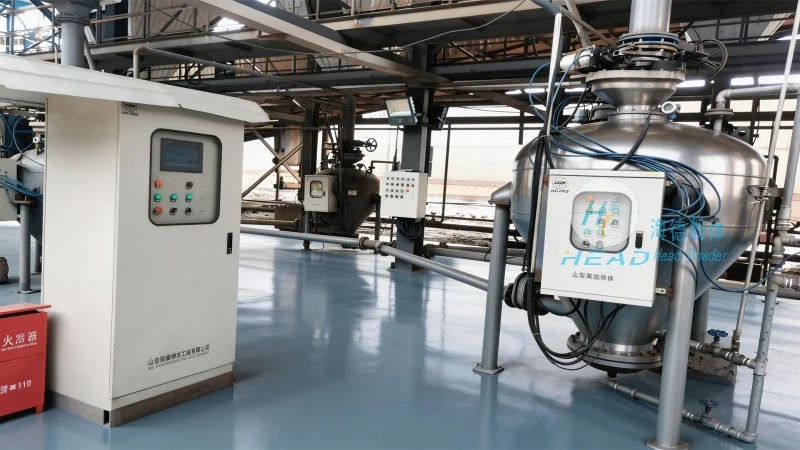
As a leading provider in the field, Shandong HeadPowder Engineering Co., Ltd. specializes in designing and manufacturing advanced pneumatic conveying solutions tailored to the unique requirements of magnetic powder applications. With a strong presence in China, the company leverages decades of expertise to deliver robust, reliable systems that meet industrial standards.
Understanding Positive and Negative Pressure Conveying
Positive pressure conveying operates by blowing air or gas into the conveying line, pushing the material forward. This method is often preferred for applications requiring high material flow rates and long-distance transport. The system maintains a higher pressure inside the pipeline compared to the surrounding environment, ensuring consistent material movement. On the other hand, negative pressure conveying works by creating a vacuum or reduced pressure in the line, drawing material into the system. This approach is typically used for shorter distances and applications where material is sensitive to pressure changes or where dust control is a priority.
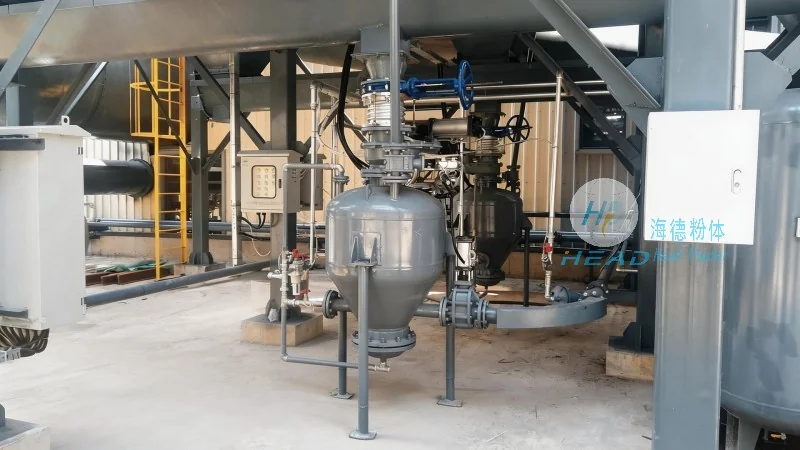
Key Differences Between Positive and Negative Pressure Systems
The primary distinction lies in the pressure dynamics within the conveying line. Positive pressure systems use compressed air to force material through the pipeline, while negative pressure systems rely on suction to pull material. This difference affects several operational aspects, including system complexity, energy consumption, and material handling capabilities. Positive pressure systems generally require more robust components, such as high-pressure blowers and durable pipelines, to withstand the internal pressure. Negative pressure systems, however, may need specialized vacuum pumps and filtration systems to manage the lower pressure environment and prevent dust contamination.
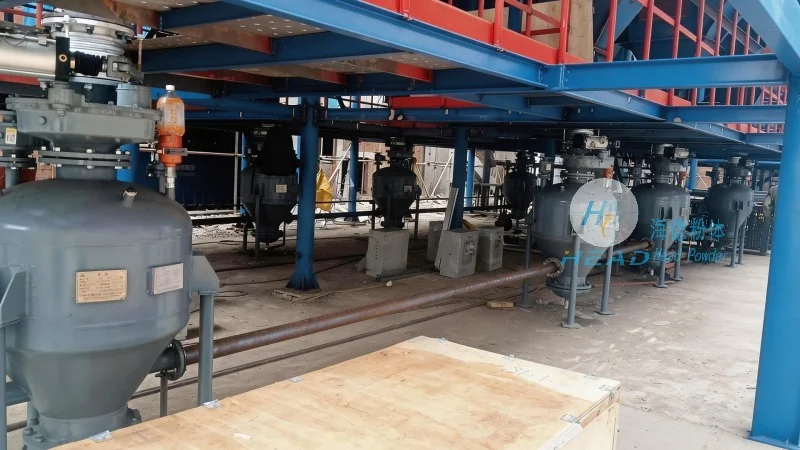
Factors to Consider When Choosing a Conveying System
Several factors influence the selection of a pneumatic conveying system for magnetic powders. The first is the distance and layout of the conveying route. For long-distance or complex layouts, positive pressure systems often offer better performance due to their ability to maintain consistent material flow. Conversely, negative pressure systems are suitable for shorter distances or where the material is prone to degradation under pressure. Another critical factor is the material properties, such as particle size, moisture content, and magnetic characteristics. Magnetic powders, being fine and often abrasive, may require specific system designs to prevent clogging or degradation. Additionally, the required flow rate and throughput must be evaluated. High-volume applications may benefit from positive pressure systems, which can handle larger quantities efficiently, while negative pressure systems are better suited for lower flow rates or sensitive materials.
Practical Applications and Industry Insights
Shandong HeadPowder Engineering Co., Ltd. has successfully implemented both positive and negative pressure systems in various industrial settings. For instance, in a magnetic powder manufacturing plant, a positive pressure system was chosen to transport fine magnetic particles over a distance of 500 meters, ensuring high throughput and minimal material loss. In contrast, a negative pressure system was employed in a research laboratory to handle sensitive magnetic powders, where dust control and material integrity were paramount. These case studies highlight the importance of matching the system type to the specific application requirements. The company’s expertise in customizing systems ensures that clients receive solutions that optimize performance, reduce operational costs, and enhance safety.