

Boron Powder Pneumatic Conveying: Choosing Positive Pressure vs. Negative Pressure - How to Distingu
Boron powder, a vital raw material in industries such as glass, ceramics, and metallurgy, demands efficient and reliable transport solutions. Pneumatic conveying stands out as a preferred method for handling fine powders like boron powder, offering advantages over traditional mechanical systems. However, selecting between positive pressure and negative pressure pneumatic conveying systems is a critical decision that impacts operational efficiency, cost, and safety. This article provides a detailed guide on how to choose the right system for boron powder and how to differentiate between the two main types.
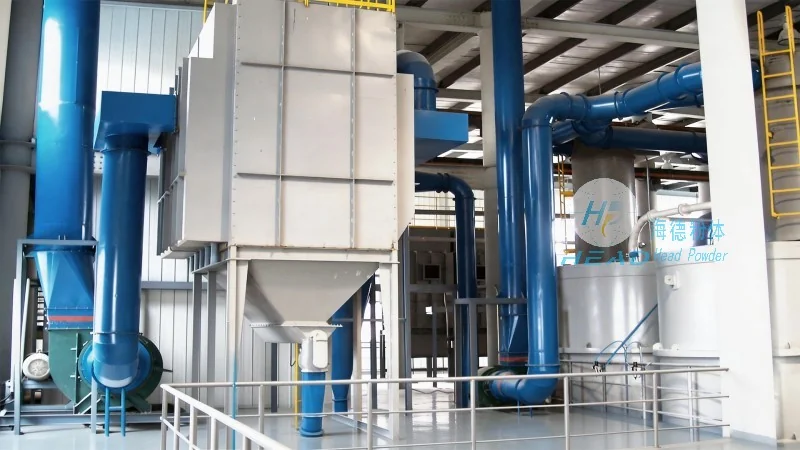
Understanding Pneumatic Conveying Systems for Boron Powder
Pneumatic conveying systems utilize air or gas to transport bulk materials through pipelines. The two primary categories are positive pressure and negative pressure systems. Both aim to move material from a source to a destination, yet they diverge significantly in operation, application suitability, and maintenance needs. For boron powder, which is often fine and abrasive, the right system selection is essential to ensure stable and efficient transport.
Positive Pressure Pneumatic Conveying Systems
Positive pressure systems, also known as pressure conveying systems, operate by blowing air or gas into the line at a pressure higher than ambient. Material is fed into the line at the source, propelled forward by the pressurized air. This method excels in long-distance and high-capacity conveying of boron powder. The high pressure ensures full suspension and prevents pipeline clogging. Positive pressure systems are favored when material must be conveyed over significant distances or when the destination is at a higher elevation than the source.
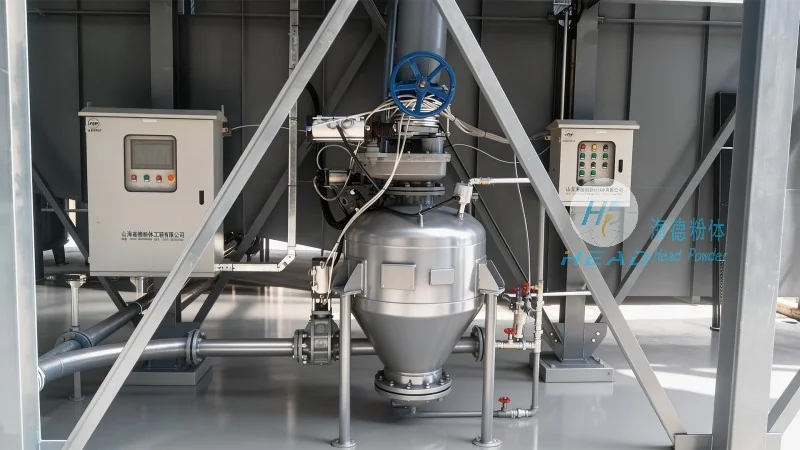
Negative Pressure Pneumatic Conveying Systems
Negative pressure systems, or vacuum conveying systems, create a vacuum in the line to draw material from the source. The material is then transported to the destination via the vacuum pressure. These systems are typically used for shorter distances and lower material volumes. Negative pressure is suitable for less abrasive boron powder or when source and destination elevations are similar. The vacuum minimizes dust dispersion, making it ideal for applications requiring strict environmental control.
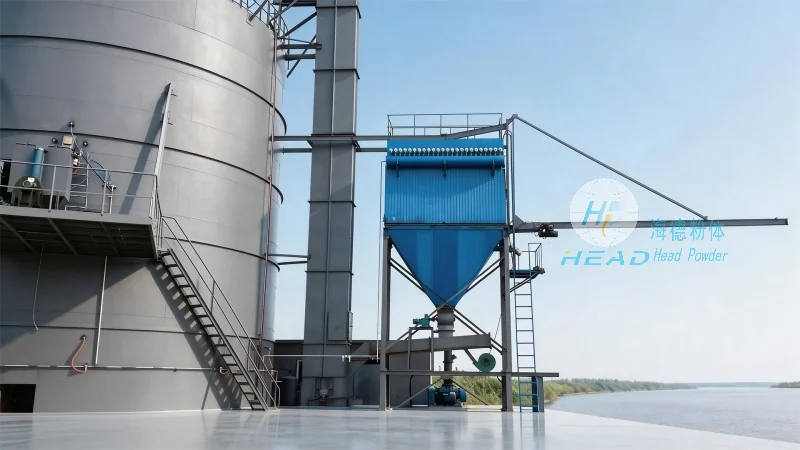
Distinguishing Between Positive and Negative Pressure Systems
Identifying the correct system for boron powder involves evaluating key factors. The first is the distance between source and destination. Positive pressure systems are better for long runs due to their ability to maintain high pressure over extended pipelines. Negative pressure systems excel for short distances as the vacuum effectively draws material but struggles with long runs. The second factor is material characteristics. Fine, abrasive boron powder may require higher pressure and better suspension from positive pressure systems to prevent blockages. The third factor is environmental considerations. Negative pressure systems are preferred where dust control is critical, as they reduce airborne particle release. The fourth factor is system complexity and maintenance. Positive pressure systems need robust components and regular upkeep due to high pressure, while negative pressure systems are simpler but require frequent filter changes.
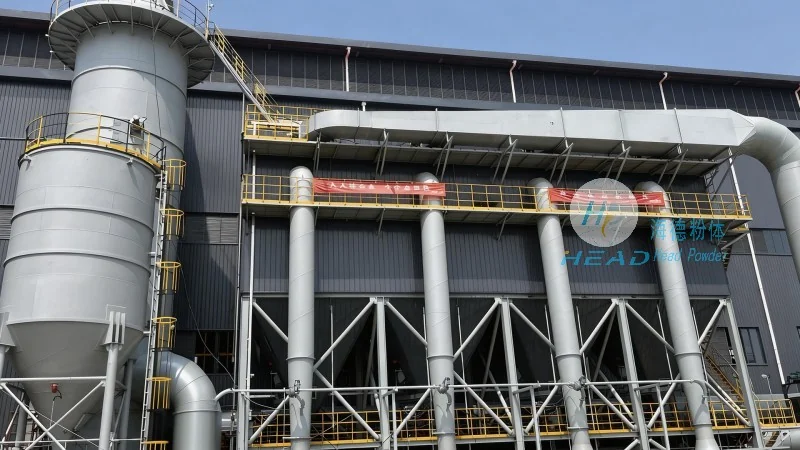
Key Considerations for Boron Powder Pneumatic Conveying
When selecting a pneumatic conveying system for boron powder, technical and operational aspects must be assessed. Particle size and density are critical. Smaller particles may need higher air velocities for proper suspension, more achievable with positive pressure systems. Flow rate and capacity also influence the choice. High flow rates are better handled by positive pressure systems, delivering larger volumes efficiently. Cost of installation and operation is another factor. Positive pressure systems have higher initial costs due to powerful blowers and pressure vessels but offer lower long-term operating costs. Negative pressure systems have lower initial costs but higher operational costs from vacuum energy use and filter replacement.
Conclusion
Choosing between positive and negative pressure pneumatic conveying systems for boron powder depends on operational requirements, material traits, and cost. Positive pressure systems suit long-distance, high-capacity, and abrasive material transport. Negative pressure systems are better for short distances and dust-sensitive applications. By evaluating specific boron powder handling needs, companies can select the most efficient and cost-effective system. Shandong HeadPowder Engineering Co., Ltd., a leading bulk material handling solutions provider, specializes in designing and implementing pneumatic conveying systems tailored to boron powder applications. With a focus on reliability and efficiency, HeadPowder helps industries optimize material transport and enhance overall operational performance.