

Pneumatic Conveying for Sand and Dust: Positive Pressure vs. Negative Pressure - How to Differentiat
When it comes to transporting sand and dust materials, the choice between positive pressure and negative pressure pneumatic conveying systems is a critical decision for industrial operations. Both methods utilize air to move particles, but they operate on fundamentally different principles, each with its own advantages and limitations. Understanding these differences is essential for selecting the most suitable system for specific applications.
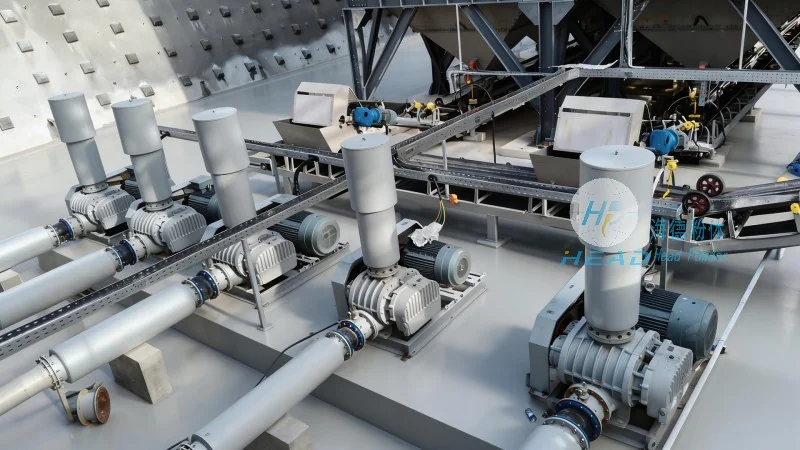
Company Overview: Shandong HeadPowder Engineering Co., Ltd.
HeadPowder, a leading manufacturer in the field of pneumatic conveying equipment, specializes in providing customized solutions for handling abrasive and fine materials like sand and dust. With a strong presence in China, particularly in Shandong province, the company combines advanced engineering with practical experience to deliver efficient and reliable conveying systems. Their expertise lies in designing systems that meet the unique demands of various industries, ensuring optimal performance and durability.
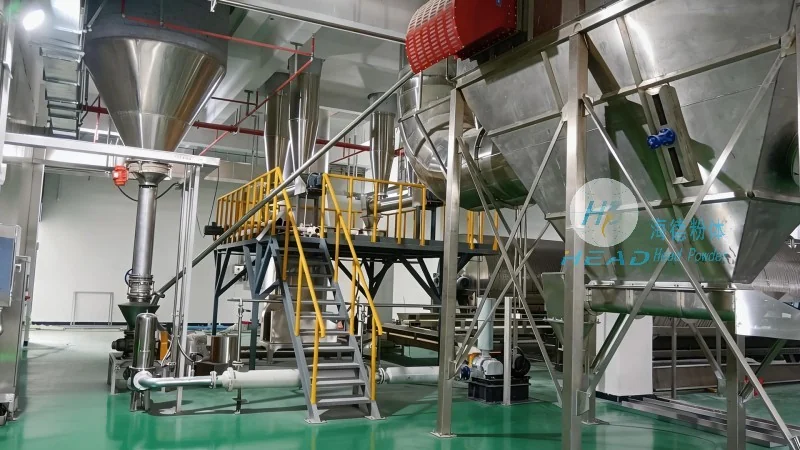
Positive Pressure Pneumatic Conveying
Positive pressure systems operate by blowing air into the conveying line, creating a pressure higher than the ambient air. This method is often referred to as "blow-through" or "pressure-type" conveying. The primary advantage of positive pressure is its ability to handle long distances and multiple transfers without significant pressure loss. It is particularly effective for transporting materials over several hundred meters or more, as well as for applications requiring high flow rates. The system typically uses a positive displacement blower or a rotary lobe blower to generate the necessary pressure. The material is fed into the conveying line at the inlet, and the high-pressure air propels it through the pipeline to the discharge point. This method is well-suited for abrasive and heavy materials, as the high pressure helps to maintain the flow and prevent blockages.
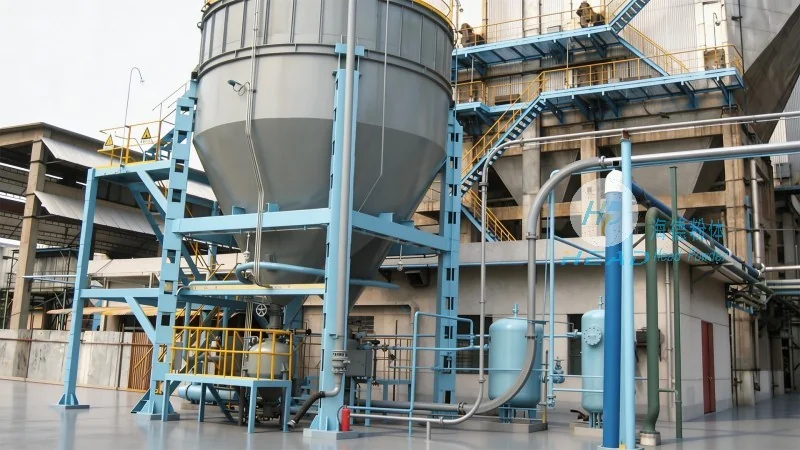
Negative Pressure Pneumatic Conveying
Negative pressure systems, also known as "suction" or "vacuum-type" conveying, work by creating a vacuum in the conveying line, which is lower than the ambient air pressure. The system draws material into the pipeline using a vacuum pump or a rotary vane pump. The key advantage of negative pressure is its ability to handle fine and light materials, as well as to collect materials from multiple sources. It is often used in applications where the material needs to be transported from a source that is difficult to access or where the material is sensitive to pressure changes. Negative pressure systems are generally more suitable for shorter distances and lower flow rates compared to positive pressure systems. The vacuum created pulls the material through the pipeline, and the air flow is typically filtered to remove any particles before being released back into the environment.
Distinguishing Between Positive and Negative Pressure Systems
There are several key factors to consider when differentiating between positive and negative pressure pneumatic conveying systems. The first is the distance and flow rate requirements. Positive pressure is ideal for long distances and high flow rates, while negative pressure is better for shorter distances and lower flow rates. The second factor is the material characteristics. Positive pressure is suitable for abrasive and heavy materials, whereas negative pressure is more effective for fine and light materials. The third factor is the system complexity and cost. Positive pressure systems generally require more robust components and higher power consumption, while negative pressure systems are often simpler and more cost-effective for certain applications. Additionally, the environmental impact should be considered. Positive pressure systems may require additional filtration to prevent dust emissions, while negative pressure systems are inherently more enclosed, reducing the risk of dust dispersion.
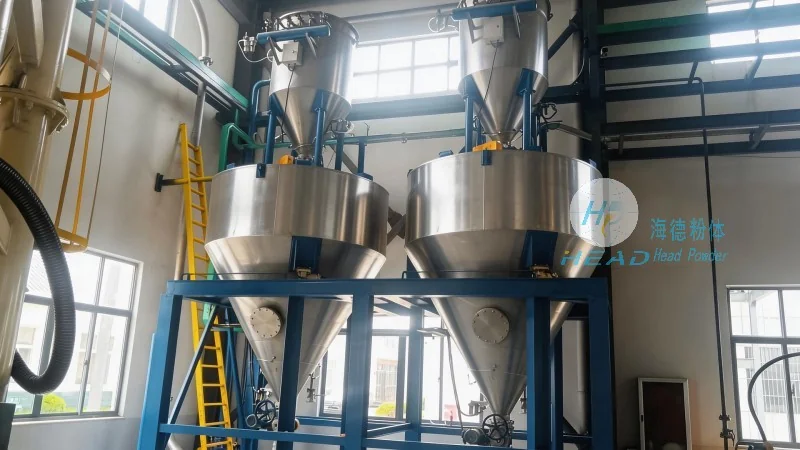
Conclusion
Choosing between positive pressure and negative pressure pneumatic conveying for sand and dust applications requires a thorough evaluation of the specific operational needs. Positive pressure systems offer the advantage of long-distance transport and high flow rates, making them suitable for heavy and abrasive materials. Negative pressure systems, on the other hand, excel in handling fine and light materials and are more cost-effective for shorter distances. By understanding the operational requirements and material characteristics, industrial operators can select the most appropriate system to ensure efficient and reliable material transport. HeadPowder, with its expertise in pneumatic conveying technology, provides tailored solutions that meet the diverse needs of various industries, helping to optimize material handling processes and improve overall operational efficiency.