

Choosing Between Positive Pressure and Negative Pressure for Dust Pneumatic Conveying: How to Differ
When it comes to handling and transporting bulk materials like dust and powders, selecting the right pneumatic conveying system is crucial for efficiency, safety, and operational success. The two primary types of systems are positive pressure and negative pressure conveyors, each with distinct characteristics and applications. This article explores the differences between these two approaches, helping you make an informed decision for your material handling needs.
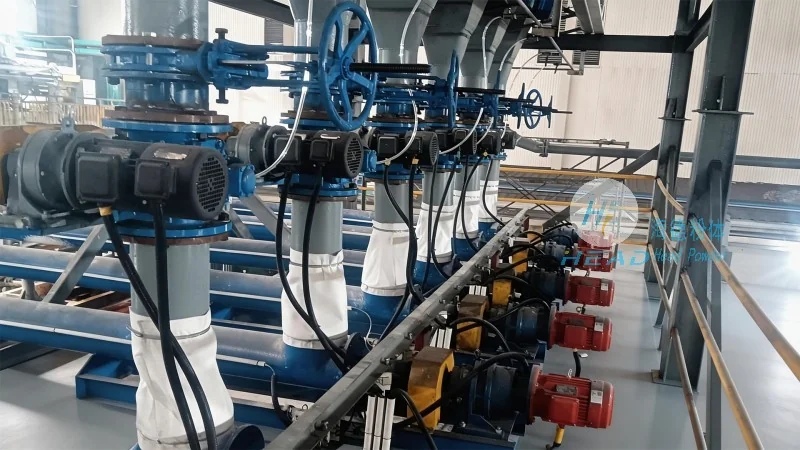
Understanding Positive Pressure vs. Negative Pressure Conveying
Positive pressure conveying systems operate by blowing air or gas into the material stream, creating a pressure higher than the surrounding environment. This method pushes the material through the system, ensuring a continuous flow. In contrast, negative pressure systems draw material into the system by creating a vacuum or lower pressure compared to the surroundings, pulling the material in rather than pushing it.
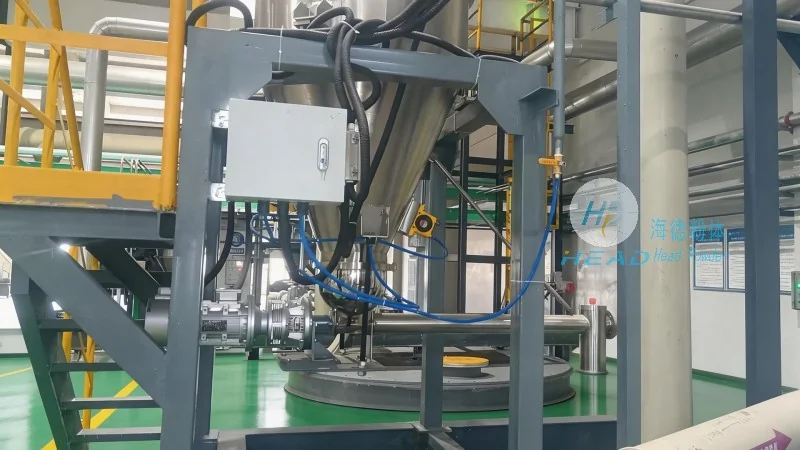
Key Differences Between Positive and Negative Pressure Systems
The fundamental difference lies in the direction of material movement and the pressure dynamics. Positive pressure systems use compressed air to force material through the pipeline, which can handle longer distances and more complex layouts. They are often more suitable for abrasive or corrosive materials due to the enclosed, pressurized environment. Negative pressure systems, on the other hand, rely on suction to draw material, making them ideal for applications where dust control and minimal material spillage are priorities. However, they are generally limited to shorter distances and simpler systems due to the risk of dust escaping into the environment.
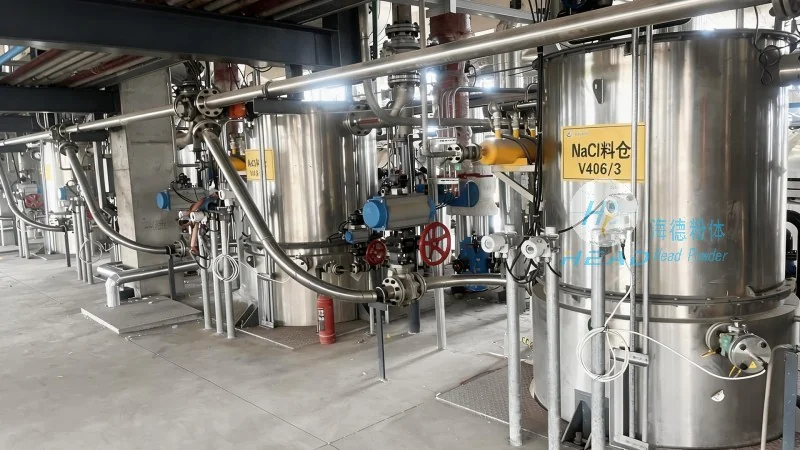
Factors to Consider When Choosing a Conveying System
Several factors influence the choice between positive and negative pressure systems. The distance the material needs to travel is a critical factor; positive pressure systems are better for longer distances, while negative pressure is more suitable for shorter runs. The type of material also plays a role—positive pressure is preferred for abrasive or sticky materials, whereas negative pressure is better for fine powders that require minimal contamination. Additionally, the need for dust control and environmental compliance can sway the decision; negative pressure systems offer better containment, making them attractive for applications where air quality is a concern. The cost of equipment and maintenance is another consideration, as positive pressure systems may require more robust components to handle higher pressures.
Applications and Use Cases for Each Conveying Type
Positive pressure systems are commonly used in industries such as food processing, pharmaceuticals, and chemical manufacturing, where material purity and consistent flow are essential. They are also suitable for handling materials that are prone to caking or bridging, as the pressurized environment helps prevent blockages. Negative pressure systems are widely used in cement, coal, and agricultural industries, where large volumes of fine powders need to be transported with minimal dust generation. For example, in cement plants, negative pressure conveyors are used to transport raw materials and finished products, ensuring a clean and efficient process.
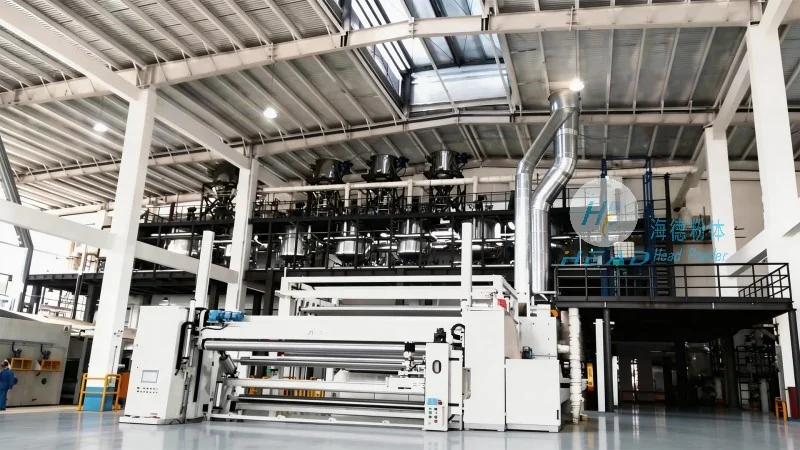
Conclusion and Recommendations
Choosing between positive and negative pressure for dust pneumatic conveying depends on the specific requirements of your operation. Positive pressure systems offer greater flexibility and capacity for longer distances and diverse materials, while negative pressure systems excel in dust control and shorter applications. By evaluating factors such as material characteristics, distance, and environmental needs, you can select the most appropriate system for your needs. For expert guidance and customized solutions, consider consulting with industry leaders like Shandong HeadPowder Engineering Co., Ltd., a company with extensive experience in designing and implementing efficient pneumatic conveying systems tailored to your unique requirements.