

Technical Analysis of Pneumatic Conveying Systems for Battery Anode Materials: Comparison of Positiv
HeadPowder, a leading engineering firm based in Shandong, China, specializes in the design and implementation of advanced pneumatic conveying systems tailored for the battery anode material industry. This article provides a technical breakdown of the two primary delivery modes—positive pressure and negative pressure—exploring their operational principles, advantages, and practical applications in the context of battery anode material handling.
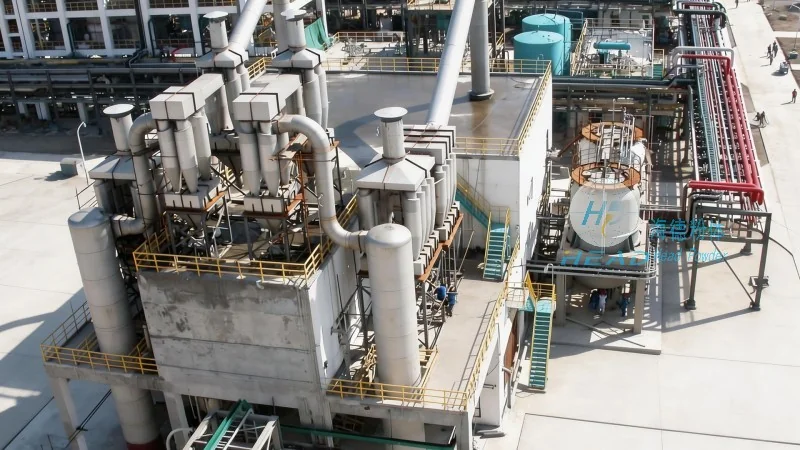
Understanding Pneumatic Conveying Systems for Battery Anode Materials
Pneumatic conveying systems are critical for efficiently transporting bulk materials like battery anode powders, which require precise control over particle flow, air pressure, and system cleanliness. These systems use air or gas to move materials through a pipeline, offering a dust-free, enclosed transport solution that is essential for maintaining material quality and safety in high-tech manufacturing environments.
Positive Pressure Conveying: Advantages and Operational Principles
Positive pressure systems operate by generating air pressure within the conveying line, pushing material from the source to the destination. This mode is particularly effective for long-distance or high-rise applications, as it can overcome significant elevation changes and resistance in the pipeline. The system typically includes a blower or compressor at the inlet, which forces air and material through the line. A key advantage of positive pressure is its ability to handle abrasive or corrosive materials without causing wear on the system components, making it suitable for battery anode powders that may contain hard or reactive particles.
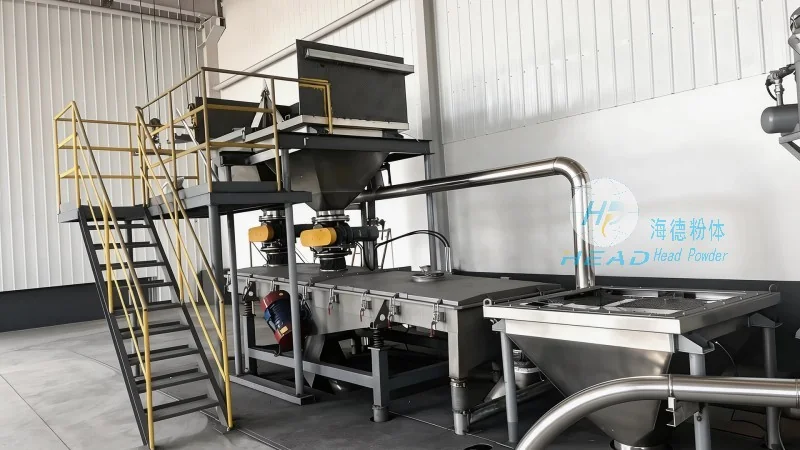
Negative Pressure Conveying: Advantages and Operational Principles
Negative pressure systems, also known as vacuum or suction conveying, work by creating a low-pressure environment at the inlet, drawing material into the line. This mode is ideal for short-distance or low-rise applications where the material source is close to the destination. The system uses a vacuum pump at the outlet to pull material from the hopper or storage bin. Negative pressure conveying is often preferred for materials that are sensitive to air exposure, as it minimizes the risk of oxidation or contamination. Additionally, it can handle materials with high moisture content or sticky properties, as the suction action helps maintain material flow without clogging.
Comparative Analysis: Positive vs. Negative Pressure Systems
When selecting a pneumatic conveying system for battery anode materials, the choice between positive and negative pressure depends on several factors, including the distance between the source and destination, the elevation difference, the material characteristics, and the required system efficiency. Positive pressure systems are generally more suitable for long-distance transport, as they can maintain consistent air pressure and material flow over extended pipelines. They are also easier to install and maintain, as the blower is located at the inlet, reducing the risk of material buildup in the system. However, they may require higher energy consumption due to the constant air pressure generation.
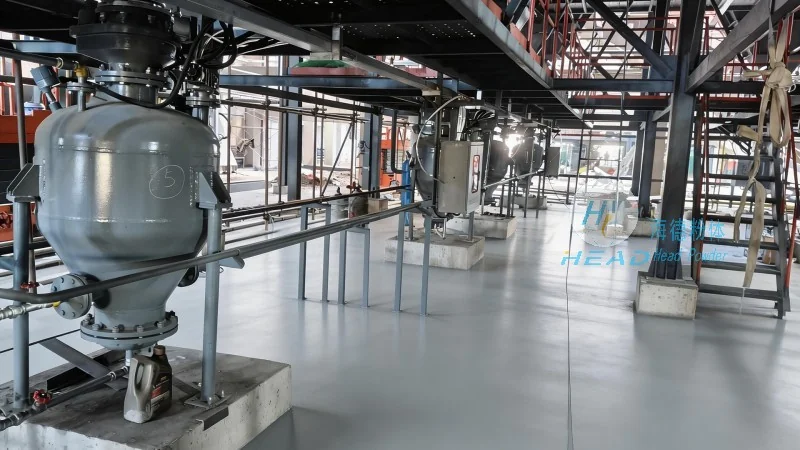
Negative pressure systems, on the other hand, are more energy-efficient for short-distance applications, as the vacuum pump operates at lower power levels. They are also better suited for materials that are prone to dust generation or require airtight handling, as the suction action prevents material from escaping the system. The main drawback of negative pressure is its limited ability to handle long distances or high elevations, as the vacuum pressure may not be sufficient to overcome significant resistance in the pipeline. Additionally, the system may require more frequent maintenance due to the higher risk of material accumulation in the vacuum pump and inlet components.
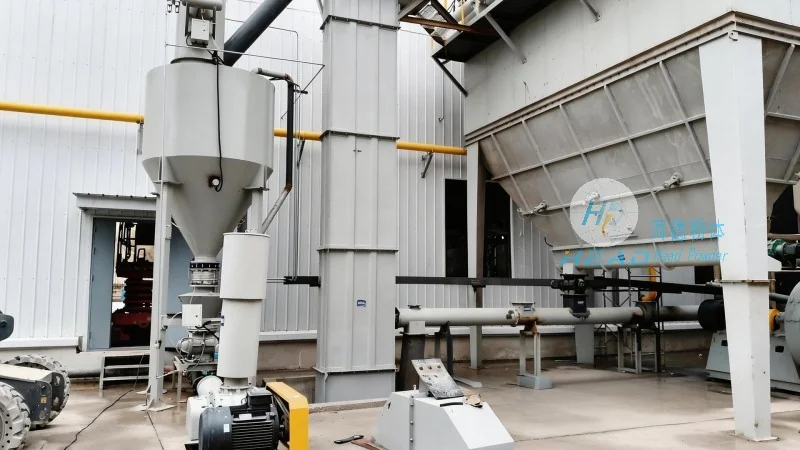
Key Considerations for Battery Anode Material Handling
For battery anode material manufacturers, the choice of pneumatic conveying system directly impacts production efficiency, material quality, and operational costs. Positive pressure systems offer greater flexibility in terms of distance and elevation, making them ideal for large-scale production lines where materials need to be transported from multiple hoppers to processing units. Negative pressure systems, while more energy-efficient for short distances, are better suited for applications where material sensitivity to air or moisture is a concern. HeadPowder’s engineering expertise allows for customized system designs that balance these factors, ensuring optimal performance for each client’s specific needs.
Conclusion: Tailored Solutions for Battery Anode Material Transport
In conclusion, both positive and negative pressure pneumatic conveying systems play crucial roles in the battery anode material industry, each with distinct advantages and applications. Positive pressure systems excel in long-distance and high-elevation transport, while negative pressure systems are better suited for short distances and material sensitivity. By understanding the operational principles and comparative benefits of each mode, manufacturers can select the most appropriate system to enhance production efficiency, maintain material quality, and reduce operational costs. HeadPowder, with its deep industry knowledge and engineering capabilities, provides tailored solutions that address the unique challenges of battery anode material handling, ensuring reliable and efficient transport for clients across China.