

Technical Analysis of Melamine Powder Pneumatic Conveying Systems: Comparison of Positive Pressure v
For melamine powder, a fine chemical raw material prone to caking and moisture absorption, an efficient and stable pneumatic conveying system is an indispensable key component in the production process. This article will delve into the technical characteristics of the two mainstream conveying modes—positive pressure and negative pressure—to provide technical references for users in selecting appropriate conveying solutions.
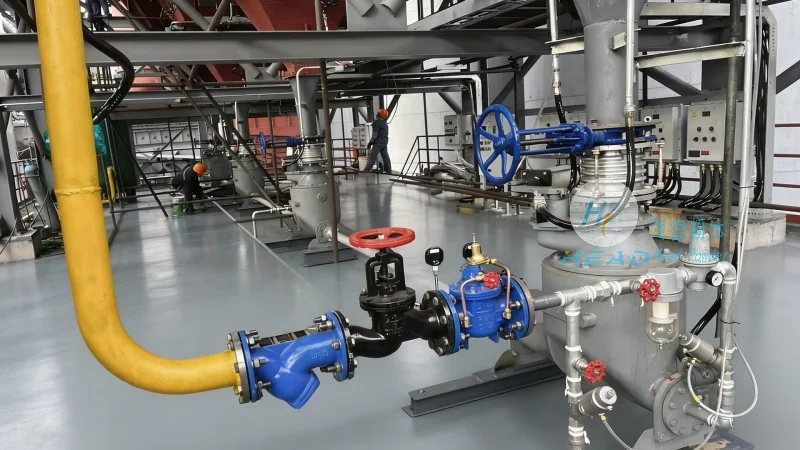
This article is provided by Shandong HeadPowder Engineering Co., Ltd. (HeadPowder for short), a company located in Shandong Province, China. The company specializes in the research and development and manufacturing of powder conveying equipment, with rich industry experience and technical strength, committed to providing customized pneumatic conveying solutions for customers.

Technical Analysis of Positive Pressure Conveying Mode
The positive pressure conveying system maintains an air pressure higher than atmospheric pressure inside the conveying pipeline, transporting the material from the feeding point to the receiving point. This mode typically uses a high-pressure blower as the air source, compressing air to mix with the material and form a gas-solid two-phase flow, moving at high speed in the pipeline to achieve conveying. The main advantages of the positive pressure system include longer conveying distances, larger conveying capacities, and stable system pressure, effectively overcoming pipeline resistance and suitable for long-distance, high-flow melamine powder conveying. Additionally, the positive pressure system causes less wear on the material, suitable for transporting fragile or high-value-added melamine powder products. However, the positive pressure system also has some limitations, such as requiring higher air source pressure, relatively higher equipment investment and maintenance costs, and potential dust leakage during conveying, which has some impact on the environment.
Technical Analysis of Negative Pressure Conveying Mode
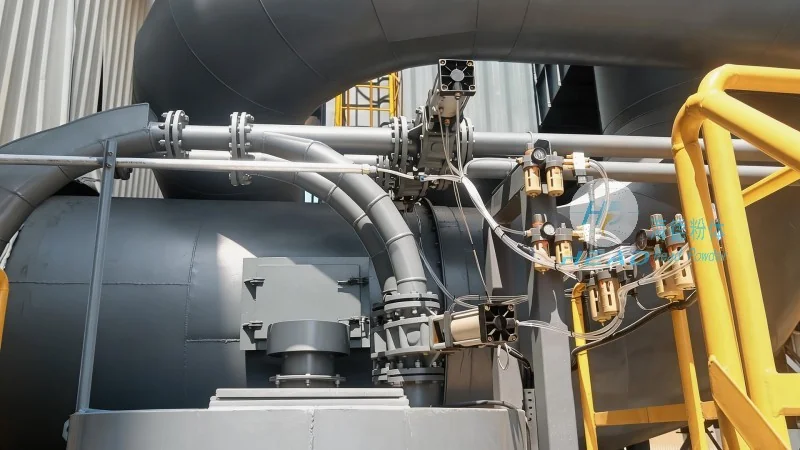
The negative pressure conveying system maintains a vacuum lower than atmospheric pressure inside the conveying pipeline, using a fan at the receiving end to generate negative pressure and draw the material from the feeding point into the pipeline and transport it to the receiving point. This mode typically uses a low-pressure fan or roots blower as the air source, mixing the material with air to form a gas-solid flow under vacuum negative pressure, moving in the pipeline to achieve conveying. The main advantages of the negative pressure system include lower system pressure, lower equipment investment and maintenance costs, relatively lower sealing requirements for the conveying pipeline, and smaller dust leakage risk during conveying, more environmentally friendly. The negative pressure system is suitable for short-distance, low-flow melamine powder conveying, especially suitable for conveying in closed spaces to reduce dust pollution. However, the conveying distance and capacity of the negative pressure system are limited, not suitable for long-distance or high-flow melamine powder conveying, and may cause material caking or blockage in the pipeline due to excessive negative pressure during conveying.
Comparison Analysis of Positive Pressure and Negative Pressure Conveying Modes
In selecting between positive pressure and negative pressure conveying modes, a comprehensive evaluation should be made based on specific application scenarios and requirements. The positive pressure mode is more suitable for long-distance, high-flow melamine powder conveying, effectively overcoming pipeline resistance and ensuring conveying efficiency; while the negative pressure mode is more suitable for short-distance, low-flow conveying, especially for cases with higher environmental requirements. In terms of equipment investment and maintenance costs, the negative system is lower, the positive system is higher; in terms of conveying distance and capacity, the positive system is superior, the negative system is limited. Additionally, the positive system causes greater material wear, the negative system is smaller; the positive system may cause dust leakage, the negative system is relatively environmentally friendly. Overall, for users needing long-distance, high-flow melamine powder conveying, the positive pressure conveying mode is a better choice; for short-distance, low-flow or environmentally demanding users, the negative pressure conveying mode is more appropriate.
Conclusion
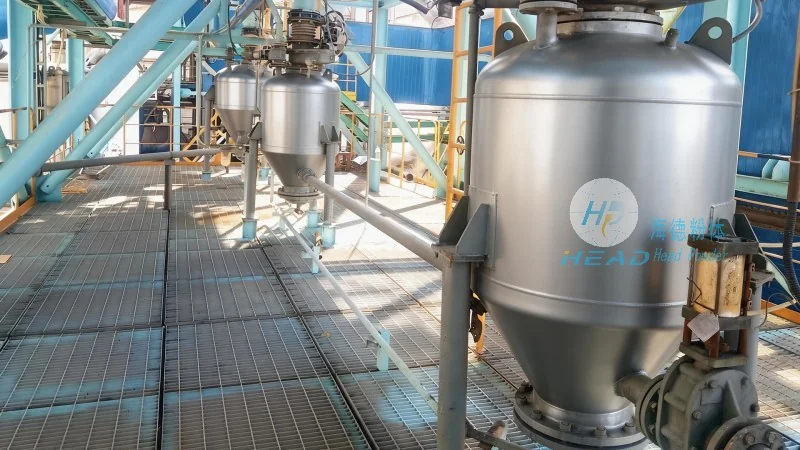
The selection of a melamine powder pneumatic conveying system requires comprehensive consideration of factors such as conveying distance, conveying capacity, material characteristics, environmental requirements, and cost. The positive and negative pressure conveying modes have their own advantages and disadvantages, and users should choose the appropriate conveying solution based on actual needs. HeadPowder, with its rich industry experience and advanced technology, can provide customized pneumatic conveying system solutions for different users. By reasonably selecting the conveying mode, it can effectively improve the conveying efficiency of melamine powder, reduce production costs, and enhance production safety.