

Technical Analysis of Precipitated Barium Sulfate Pneumatic Conveying Systems: Comparison of Positiv
For industrial applications involving the handling of precipitated barium sulfate, selecting the appropriate pneumatic conveying system is crucial for efficiency, cost-effectiveness, and operational safety. The choice between positive pressure and negative pressure conveying modes significantly impacts system design, maintenance, and overall performance. This article provides a technical analysis of these two primary pneumatic conveying approaches, focusing on their mechanisms, advantages, and practical considerations for industrial use.
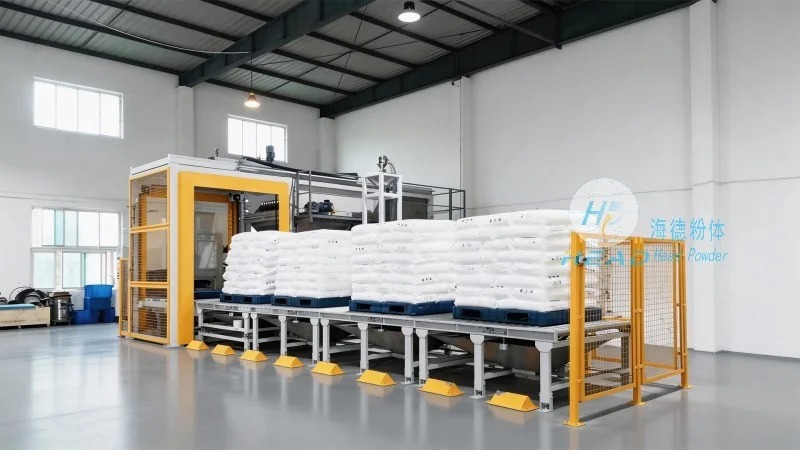
Overview of Pneumatic Conveying Systems for Precipitated Barium Sulfate
Pneumatic conveying systems are widely used in the chemical and pharmaceutical industries to transport bulk materials like precipitated barium sulfate, which are often fine powders with specific handling requirements. These systems utilize air or gas to move material through a pipeline, eliminating the need for mechanical components such as belts or buckets. The two main categories of pneumatic conveying are positive pressure and negative pressure systems, each with distinct operational principles and applications.
Positive Pressure Conveying Mode: Advantages and Technical Details
Positive pressure conveying systems operate by blowing air or gas into the material stream, creating a pressure higher than the ambient environment. This method is particularly effective for transporting materials over long distances or through complex piping networks. In the context of precipitated barium sulfate, positive pressure systems typically use a blower or compressor to generate the necessary airflow, which propels the powder through the pipeline. The system design often includes a hopper or feeder to introduce the material into the conveying line, followed by a venturi or other acceleration device to ensure consistent flow.
Key advantages of positive pressure systems include higher conveying velocities, which can reduce system size and installation costs for long-distance transport. Additionally, positive pressure systems are generally more suitable for abrasive or corrosive materials, as the high-pressure air helps to maintain material integrity and prevent clogging. However, these systems require robust filtration and dust control measures to manage the fine particles of precipitated barium sulfate, as the high velocity can lead to increased dust generation.
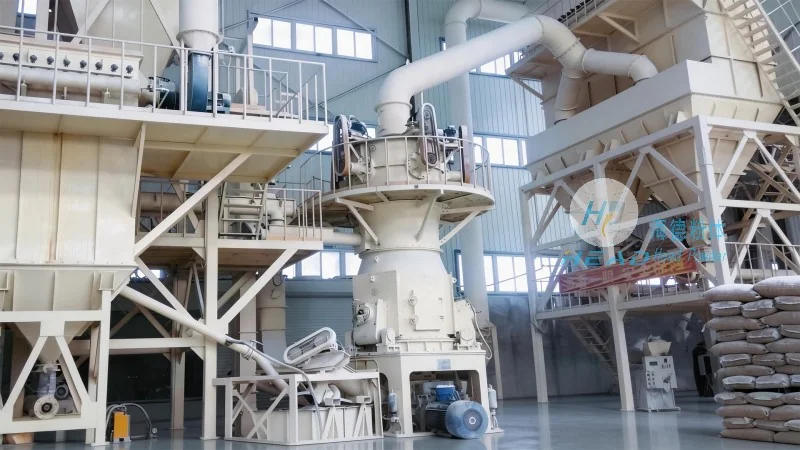
Negative Pressure Conveying Mode: Advantages and Technical Considerations
Negative pressure conveying, also known as suction or vacuum conveying, operates by creating a vacuum in the material line, drawing material from the source into the system. This mode is often preferred for short-distance transport or when the material source is located at a higher elevation than the destination. The system typically includes a vacuum pump or fan to generate the suction force, with the material being drawn from a hopper or storage bin into the conveying line.
One of the primary advantages of negative pressure systems is their ability to handle materials that are prone to dust or require minimal disturbance during transport. The lower air velocities in these systems reduce the risk of material degradation and are better suited for sensitive products like precipitated barium sulfate, which may be used in pharmaceutical or food applications. However, negative pressure systems are generally less efficient for long-distance transport due to the energy required to maintain the vacuum and the potential for increased wear on components from the abrasive nature of the powder.
Comparison of Positive and Negative Pressure Systems for Precipitated Barium Sulfate
When comparing positive and negative pressure conveying modes for precipitated barium sulfate, several factors must be considered, including material properties, system distance, and operational requirements. Positive pressure systems are typically more cost-effective for long-distance transport, as they can achieve higher conveying rates with smaller equipment. Conversely, negative pressure systems are often preferred for short-distance or in-plant applications where material handling is more critical and dust control is paramount.
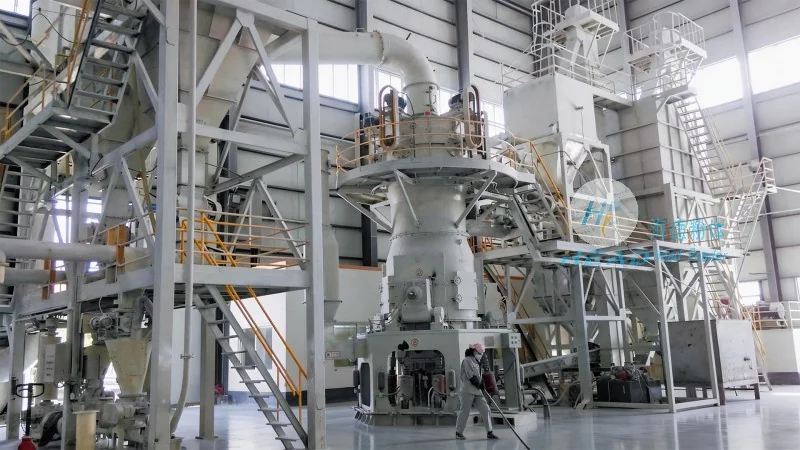
From a maintenance perspective, positive pressure systems may require more frequent filter changes due to the higher dust generation, while negative pressure systems can experience more wear on the vacuum pump and piping due to the abrasive nature of the powder. The choice between the two modes also depends on the specific handling environment, with positive pressure being suitable for outdoor or open-air applications and negative pressure better for enclosed or indoor settings where dust containment is essential.
Key Technical Considerations for Precipitated Barium Sulfate Pneumatic Conveying
Regardless of the chosen conveying mode, several technical considerations are critical for the successful operation of a precipitated barium sulfate pneumatic system. First, the particle size and density of the material significantly impact system design, as finer particles require higher air velocities to maintain flow. Precipitated barium sulfate typically has a particle size range of 1-10 microns, which necessitates careful selection of air flow rates and system components to prevent clogging or loss of material.
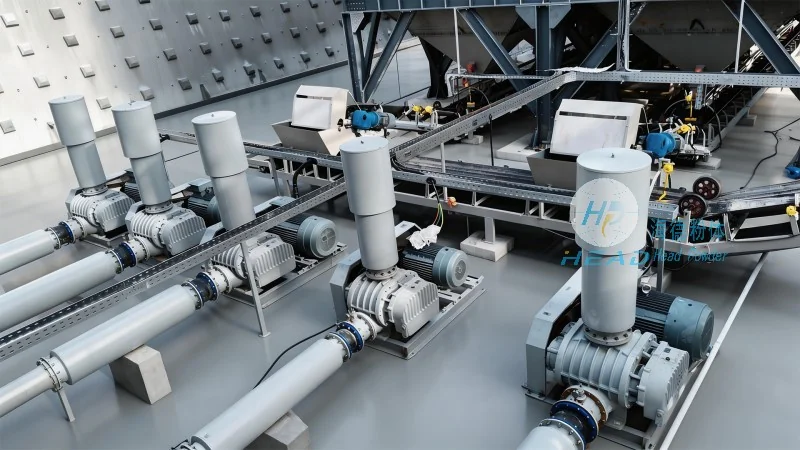
Second, the system must incorporate adequate dust control measures to comply with environmental regulations and ensure workplace safety. This includes filtration systems such as cyclones or bag filters, which capture fine particles and return them to the material stream or dispose of them as waste. The choice of filtration equipment depends on the system's capacity and the specific requirements of the application, with larger systems often using multi-stage filtration to achieve higher efficiency.
Third, the system's energy efficiency is a key factor in long-term operational costs. Positive pressure systems can be more energy-intensive due to the higher air pressure required, while negative pressure systems may consume more energy to maintain the vacuum. However, advancements in blower and pump technology have improved the efficiency of both modes, allowing for better cost management in industrial applications.
Conclusion: Selecting the Right Pneumatic Conveying System for Precipitated Barium Sulfate
Choosing between positive pressure and negative pressure pneumatic conveying systems for precipitated barium sulfate requires a thorough evaluation of operational needs, material characteristics, and cost considerations. Positive pressure systems offer advantages in long-distance transport and material handling efficiency, while negative pressure systems excel in short-distance applications and dust control. By understanding the technical nuances of each mode and considering the specific requirements of the application, industrial facilities can select the most appropriate system to ensure reliable, cost-effective, and safe material transport.