

Technical Analysis of Inorganic Salt Crystal Pneumatic Conveying Systems: Comparison of Positive Pre
HeadPowder, a leading engineering company based in Shandong, China, specializes in the design and implementation of advanced pneumatic conveying systems for the handling of inorganic salt crystals. This technical analysis explores the key differences between positive pressure and negative pressure conveying modes, providing insights into their applications, advantages, and operational considerations for industries dealing with such materials.
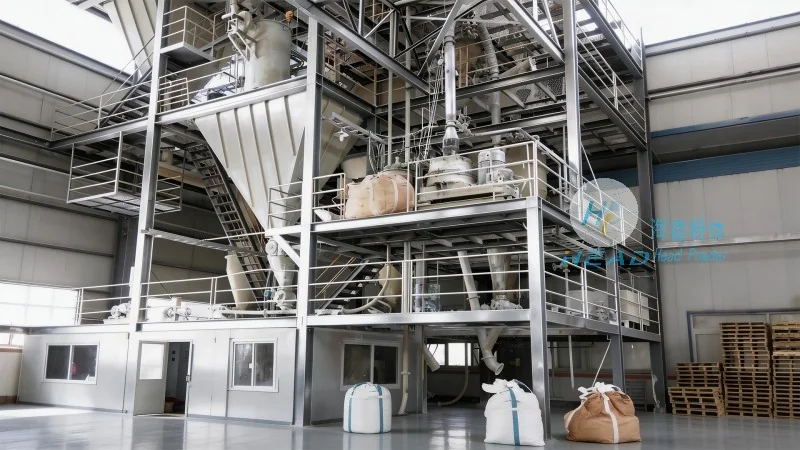
Overview of Pneumatic Conveying Systems for Inorganic Salt Crystals
Pneumatic conveying systems are widely used in the chemical and mineral processing industries to transport dry bulk materials like inorganic salt crystals. These systems utilize air or gas to move materials through a pipeline network, offering advantages such as dust control, reduced labor costs, and the ability to handle materials in a closed environment. For inorganic salt crystals, which are often abrasive and can cause wear on equipment, the choice of conveying mode is critical to ensure efficiency, reliability, and longevity of the system.
Positive Pressure Conveying Mode: Advantages and Applications
Positive pressure conveying systems operate by blowing air or gas into the material stream, creating a pressure higher than the ambient air pressure. This mode is particularly effective for transporting inorganic salt crystals over long distances or through complex piping networks. The primary advantages of positive pressure systems include high conveying capacity, ability to handle abrasive materials without excessive wear, and the option to integrate with existing air compression infrastructure. In applications where the material is to be conveyed from a central source to multiple destinations, positive pressure systems often provide better control over flow rates and distribution.
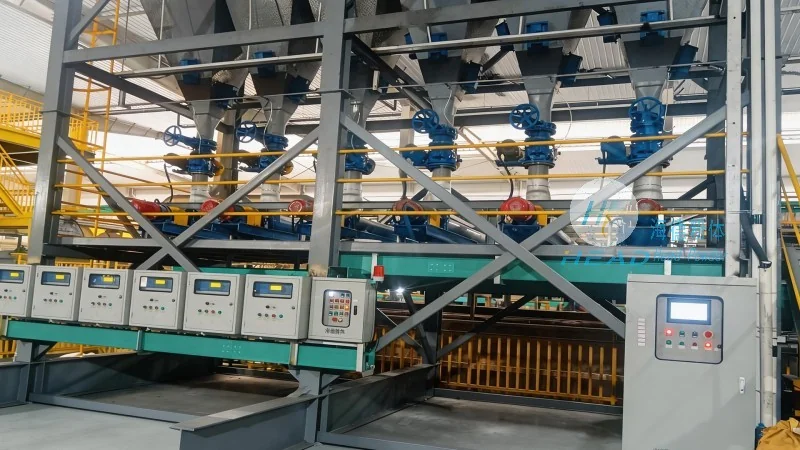
Negative Pressure Conveying Mode: Advantages and Applications
Negative pressure conveying systems, also known as vacuum systems, operate by creating a vacuum in the pipeline, drawing material from the source into the system. This mode is ideal for short-distance conveying or when the material needs to be collected from multiple points. The key benefits of negative pressure systems include lower energy consumption for short runs, reduced noise levels, and the ability to handle materials that are sensitive to pressure changes. For inorganic salt crystals, negative pressure systems are commonly used in applications where the material is to be collected from a hopper or silo and transported to a processing unit, especially in scenarios where the material is prone to caking or bridging.
Comparison of Positive and Negative Pressure Conveying Modes
When selecting between positive and negative pressure conveying modes for inorganic salt crystals, several factors must be considered. The distance of the conveying line is a primary determinant: positive pressure is generally more suitable for longer distances due to its higher pressure capability, while negative pressure is preferred for shorter distances or when the material is to be collected from multiple sources. Energy consumption is another critical factor; positive pressure systems typically require more energy to maintain the pressure, whereas negative pressure systems consume less energy for short runs but may require more maintenance for vacuum pumps. Material characteristics also play a role: abrasive materials like inorganic salt crystals benefit from the higher pressure and flow rates of positive pressure systems, which reduce wear on components, while negative pressure systems are better suited for materials that are less abrasive and require gentle handling.
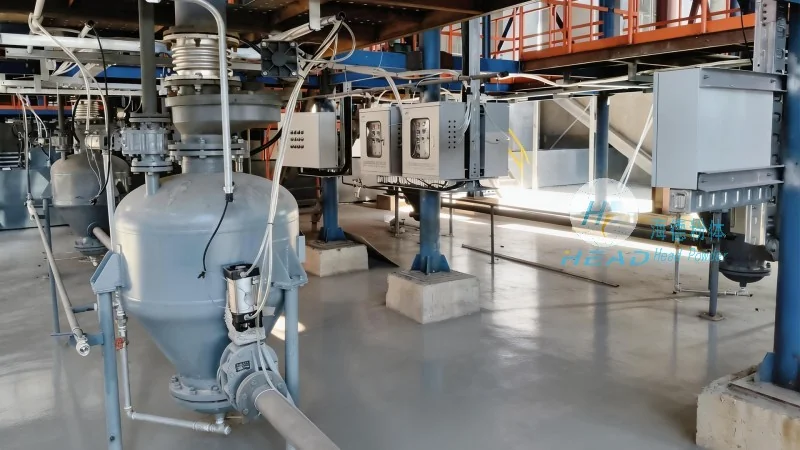
Operational Considerations and Maintenance
Both positive and negative pressure conveying systems for inorganic salt crystals require regular maintenance to ensure optimal performance. Positive pressure systems need to monitor air compressor performance, check for leaks in the pipeline, and inspect wear parts such as cyclones and filters. Negative pressure systems, on the other hand, require attention to vacuum pump efficiency, check for blockages in the suction line, and ensure that the material is not clogging the system. HeadPowder emphasizes the importance of regular cleaning and replacement of filters to prevent dust accumulation, which can affect system efficiency and air quality. For abrasive materials like inorganic salt crystals, the selection of wear-resistant materials for components such as cyclone liners and pipeline elbows is crucial to extend the system's lifespan.
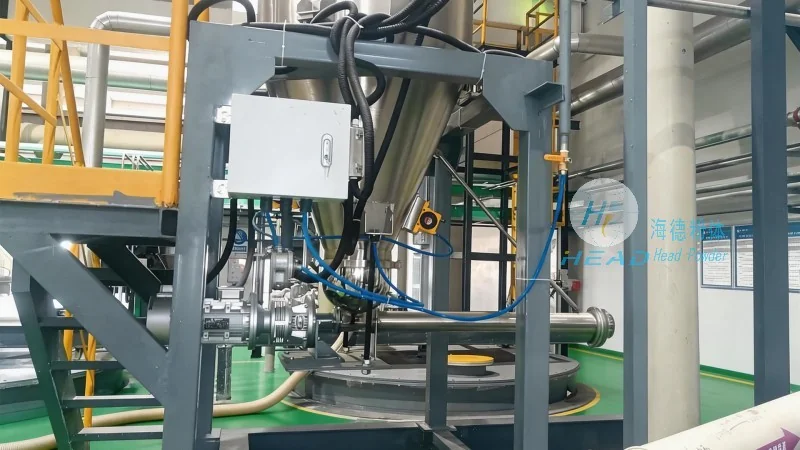
Case Study: Application in a Salt Processing Plant
A case study from a salt processing plant in Shandong, China, illustrates the successful implementation of a positive pressure conveying system for transporting inorganic salt crystals from a storage silo to a processing unit. The system, designed by HeadPowder, utilized a high-pressure air compressor to convey the salt over a distance of 500 meters through a network of stainless steel pipelines. The positive pressure mode allowed for consistent flow rates of 10 tons per hour, with minimal material loss and reduced dust emissions. The plant reported a 20% increase in productivity and a 15% reduction in labor costs compared to traditional bucket elevators. This success highlights the efficiency and reliability of positive pressure systems for handling abrasive inorganic salt crystals over longer distances.
Conclusion and Recommendations
In conclusion, the choice between positive pressure and negative pressure conveying modes for inorganic salt crystals depends on specific operational requirements, including distance, material characteristics, and energy considerations. Positive pressure systems offer higher conveying capacity and better control for long-distance applications, while negative pressure systems are more energy-efficient for short runs and gentle handling of less abrasive materials. For industries dealing with inorganic salt crystals, partnering with a specialized engineering company like HeadPowder is essential to design a system that optimizes performance, reduces maintenance costs, and ensures compliance with safety and environmental regulations. By carefully evaluating the advantages and limitations of each mode, companies can select the most suitable pneumatic conveying system to meet their specific needs and enhance operational efficiency.