

What is Tungsten Carbide Pneumatic Conveying? An Introduction to the Working Principle of Powder Han
Tungsten carbide pneumatic conveying is a specialized method used in the handling and transportation of fine powders, particularly those with high abrasiveness or high value. This technology is widely adopted in industries such as mining, metallurgy, and manufacturing where the efficient and safe transfer of materials is critical. The system operates by using compressed air or other gases to move the powder through a pipeline network, ensuring minimal product degradation and operational efficiency. As a leading provider in this field, Shandong HeadPowder Engineering Co., Ltd. specializes in designing and implementing such systems tailored to the unique needs of industrial applications.
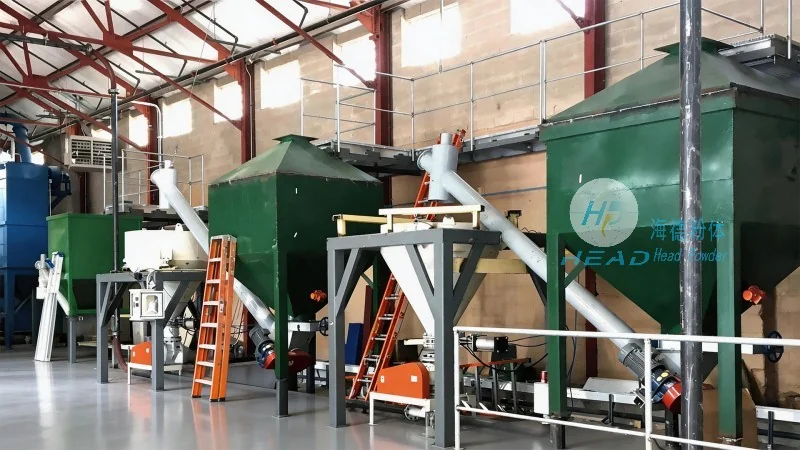
Working Principle of Powder Handling Systems
The core of a powder handling system involves several key components that work in tandem to achieve effective material transport. At the source, the powder is fed into a hopper or feeder, which regulates the flow rate. A blower or compressor then generates the necessary air pressure to create a flow of air and powder mixture. The mixture travels through the pipeline, where the air velocity is maintained at a level sufficient to keep the powder suspended and prevent clogging. The system may include features like cyclones or filters to separate the powder from the air at the discharge point, ensuring that the material is delivered to its destination without loss or contamination. This process is fundamental to the reliable operation of tungsten carbide pneumatic conveying systems.
Key Components and Their Functions
Several critical components are integral to the operation of a tungsten carbide pneumatic conveying system. The feeder or hopper is responsible for controlling the feed rate, preventing overloading and ensuring a consistent flow of material. The blower or compressor provides the necessary air pressure, with options ranging from positive displacement blowers to rotary lobe compressors, depending on the specific application requirements. The pipeline network, often made from materials resistant to abrasion such as stainless steel or specialized alloys, is designed to withstand the high wear from tungsten carbide particles. Additionally, the system may incorporate check valves, filters, and dust collectors to maintain system integrity and protect equipment from damage. Each component plays a vital role in ensuring the smooth and efficient transfer of materials.
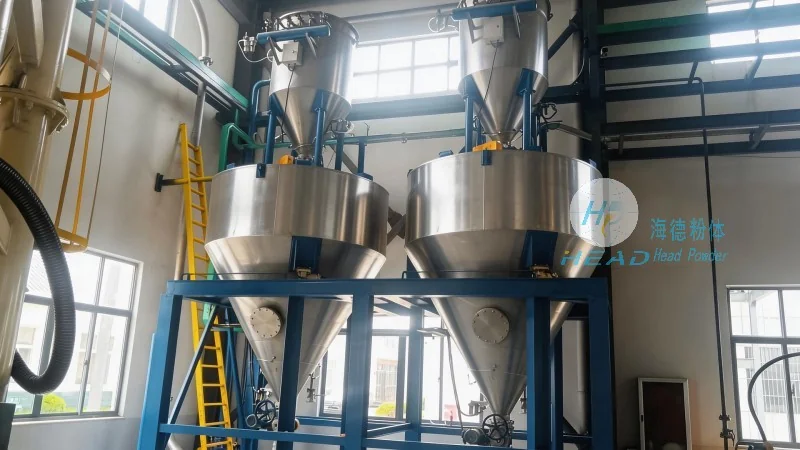
Applications in Industrial Settings
Tungsten carbide pneumatic conveying systems are extensively used in various industrial applications where the handling of abrasive powders is essential. In the mining industry, these systems are employed to transport crushed ore or fine minerals from processing plants to storage or further processing facilities. In metallurgical operations, they facilitate the transfer of tungsten carbide powders used in the production of cutting tools and wear-resistant components. The manufacturing sector also benefits from this technology when handling high-value powders, such as those used in the production of ceramics or specialized coatings. The ability to handle these materials safely and efficiently makes the system a preferred choice in industries where product quality and operational reliability are paramount. Shandong HeadPowder Engineering Co., Ltd. has successfully implemented such systems in numerous industrial projects, demonstrating expertise in adapting solutions to diverse operational challenges.
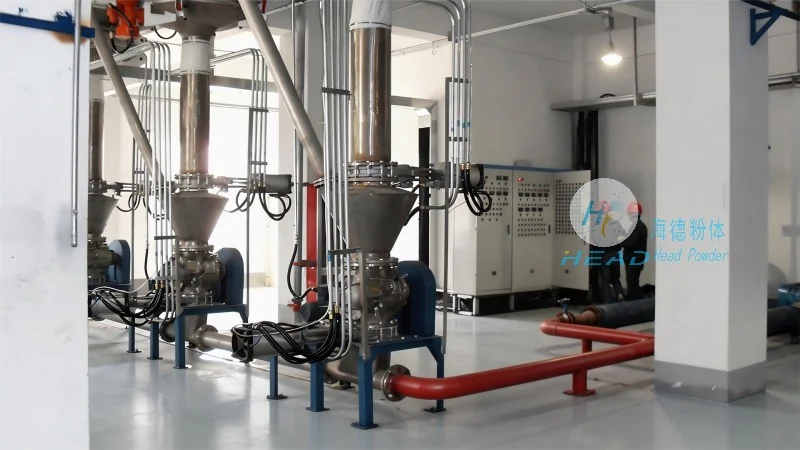
Advantages of Tungsten Carbide Pneumatic Conveying
Compared to traditional bulk material handling methods like belt conveyors or screw conveyors, tungsten carbide pneumatic conveying offers several advantages. One of the primary benefits is the reduced risk of product contamination, as the material is not in direct contact with the conveying equipment. This is particularly important for high-purity materials like tungsten carbide, where even minor contaminants can affect the final product quality. Additionally, the system allows for flexible and compact layouts, as the pipelines can be routed around obstacles and in tight spaces, optimizing the use of available floor space. The process also minimizes material degradation, as the air flow prevents the powder from settling and compacting, preserving its physical properties. Furthermore, the system can be easily integrated with other processing equipment, enabling a seamless flow of materials through the production line. These advantages make tungsten carbide pneumatic conveying an attractive option for industries seeking to enhance their material handling capabilities.
Maintenance and Operational Considerations
Proper maintenance is crucial to ensure the longevity and efficiency of a tungsten carbide pneumatic conveying system. Regular inspection of the pipeline for signs of wear or damage is essential, as abrasion from the powder can lead to leaks or blockages. The blower and compressor components should be checked for proper air pressure and flow rates, as any deviations can affect the system's performance. Filters and dust collectors must be cleaned or replaced regularly to prevent clogging and maintain air quality. Additionally, the feeder and hopper should be inspected for material buildup or blockages, which can disrupt the flow and lead to system inefficiencies. By adhering to a regular maintenance schedule, operators can ensure that the system operates at optimal performance levels, minimizing downtime and maximizing productivity. Shandong HeadPowder Engineering Co., Ltd. offers comprehensive maintenance services to support its clients in maintaining the peak performance of their powder handling systems.