

What is Barite Pneumatic Conveying? An Introduction to the Working Principle of Powder Handling Syst
Barite, a heavy mineral widely utilized in the oil and gas industry as a weighting agent, often requires efficient and safe transportation methods. Pneumatic conveying, a technology that leverages air or gas to transport bulk materials such as powders and granules, has become a critical solution for handling barite. This article explores the concept of barite pneumatic conveying, detailing the working principles of powder handling systems and their application within the barite industry.
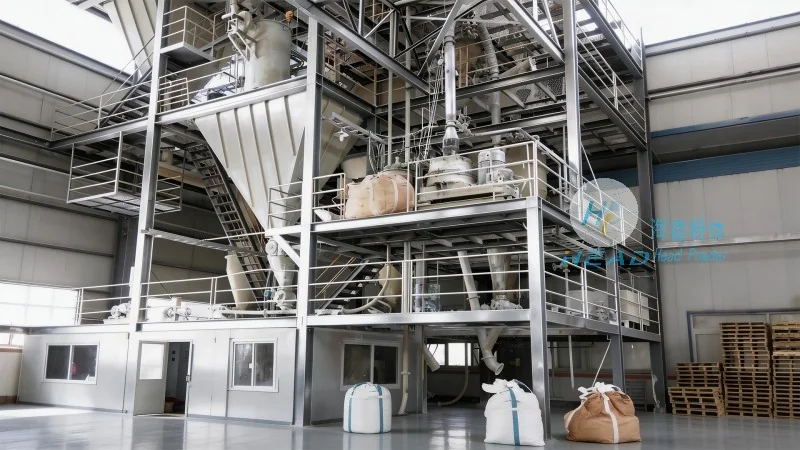
Introduction to Pneumatic Conveying Systems
Pneumatic conveying systems are engineered to move dry bulk materials through a pipeline using a stream of air or gas. These systems are prevalent across various sectors, including mining, food processing, and chemical manufacturing, due to their ability to handle materials that are challenging to transport via conventional methods like trucks or conveyor belts. The core of a pneumatic conveying system lies in its capacity to generate a flow of material by establishing a pressure differential or utilizing a vacuum to draw material into the pipeline.
How Barite Pneumatic Conveying Works
The process of barite pneumatic conveying typically involves several key components: a hopper for material storage, a feeder to regulate flow rate, a conveying line, and a receiver for discharged material. The system operates in two primary modes: vacuum (suction) and pressure (pressure) conveying. In vacuum conveying, a fan or vacuum pump creates a negative pressure within the line, drawing barite from the hopper into the pipeline. This method is ideal for short distances and when the material must be transported from a lower to a higher elevation. Conversely, pressure conveying uses a positive pressure generated by a blower or compressor to push the material through the line, making it suitable for longer distances and when the material needs to be moved from a higher to a lower elevation.
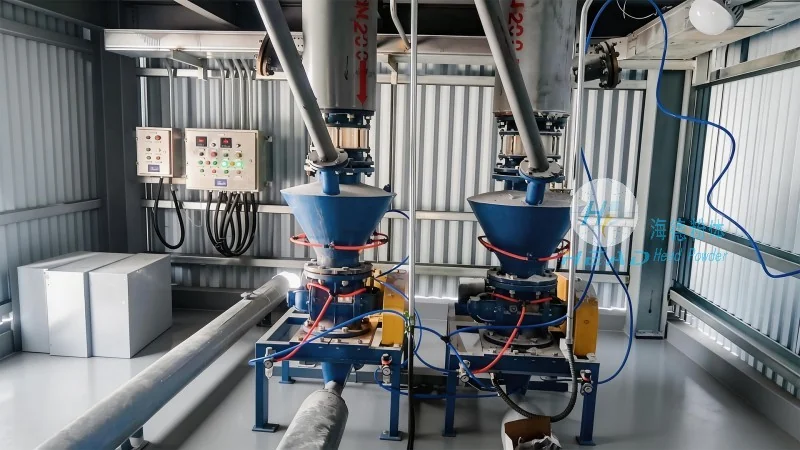
Key Components of a Barite Pneumatic Conveying System
Each component in a barite pneumatic conveying system plays a crucial role in ensuring efficient and reliable operation. The hopper, often equipped with a level indicator and a discharge valve, stores the barite and regulates material flow. The feeder, which can be a rotary valve or a screw feeder, controls the rate at which barite is fed into the conveying line, preventing blockages and maintaining consistent flow. The conveying line, typically made of stainless steel or other corrosion-resistant materials, is designed to withstand the abrasive nature of barite and the pressure or vacuum conditions. The receiver, usually a large tank or silo, collects the conveyed barite and may include a dust collection system to prevent environmental contamination. Additionally, filters and cyclones are often employed to separate fine particles from the air stream, ensuring clean operation and compliance with environmental regulations.
Advantages of Using Pneumatic Conveying for Barite
Implementing pneumatic conveying systems for barite offers several advantages over traditional transportation methods. First, it provides a dust-free and enclosed environment, reducing the risk of inhalation of fine particles and minimizing environmental impact. Second, it enables continuous and automated material handling, increasing production efficiency and reducing labor costs. Third, pneumatic conveying can handle materials with varying particle sizes and moisture content, making it versatile for different barite applications. Fourth, the system can be easily integrated with other processing equipment, such as mixing or weighing systems, creating a seamless workflow in industrial settings. Finally, by eliminating the need for manual handling and transportation, pneumatic conveying enhances workplace safety and reduces the risk of accidents associated with moving heavy bulk materials.
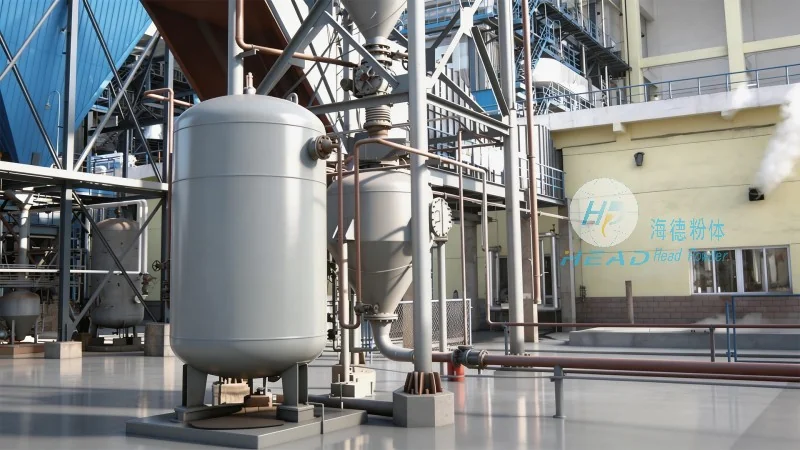
About HeadPowder: A Leading Provider of Powder Handling Solutions
HeadPowder, a division of Shandong HeadPowder Engineering Co., Ltd., is a professional manufacturer and supplier specializing in the design, development, and installation of pneumatic conveying systems for various industries. With a strong focus on innovation and customer satisfaction, HeadPowder has established itself as a trusted partner in the field of bulk material handling. The company's headquarters is located in Shandong, China, where it leverages advanced technology and experienced engineering teams to deliver high-quality solutions tailored to the specific needs of its clients. HeadPowder's commitment to quality and reliability has made it a preferred choice for businesses seeking efficient and reliable pneumatic conveying systems for their barite and other powder handling requirements.
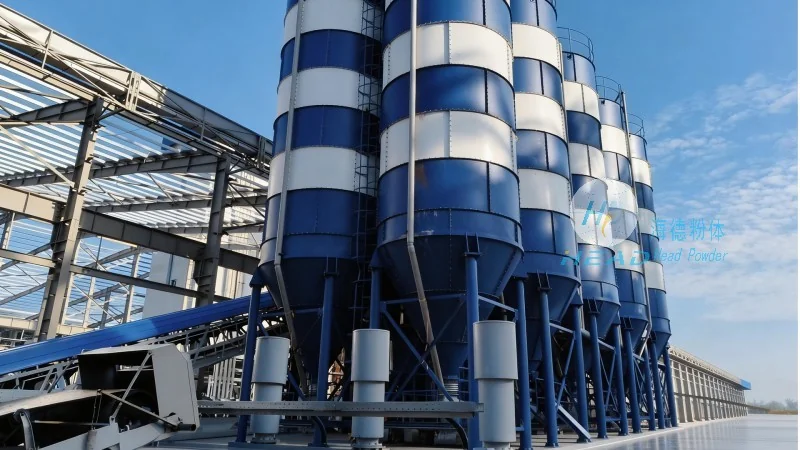
Applications of Barite Pneumatic Conveying
The versatility of barite pneumatic conveying makes it suitable for a wide range of applications across different industries. In the oil and gas sector, barite is used as a weighting agent to increase the density of drilling fluids, and pneumatic conveying systems are essential for transporting large quantities of barite to drilling sites. In the chemical industry, barite is used as a filler in paints, coatings, and plastics, and pneumatic conveying ensures that the material is delivered to production lines without contamination. Additionally, in the mining industry, barite is often used as a weighting agent in mining operations, and pneumatic conveying systems facilitate the efficient transport of barite from processing plants to storage facilities. The ability of pneumatic conveying systems to handle large volumes of material at high speeds makes them ideal for these applications, where efficiency and reliability are paramount.
Conclusion: The Importance of Efficient Barite Handling
Efficient handling of barite through pneumatic conveying systems is crucial for the success of various industrial processes. By understanding the working principles of these systems and leveraging the expertise of companies like HeadPowder, industries can ensure that their barite transportation needs are met with high efficiency, safety, and reliability. The adoption of advanced pneumatic conveying technologies not only improves operational performance but also contributes to environmental sustainability by reducing waste and minimizing the impact of material handling on the environment. As the demand for barite continues to grow, the importance of reliable and efficient powder handling systems will only increase, making it essential for businesses to invest in the right technology and solutions.