

What is Lysine Pneumatic Conveying? An Introduction to the Working Principle of Powder Handling Syst
Lysine, a critical amino acid widely used in animal feed and pharmaceutical applications, often requires efficient and reliable transportation methods. Pneumatic conveying systems have emerged as a preferred solution for handling lysine and other fine powders, offering advantages such as minimal product contamination, reduced risk of dust explosions, and enhanced process control. This article delves into the fundamental principles of lysine pneumatic conveying, exploring how these systems operate and why they are integral to industrial powder handling.
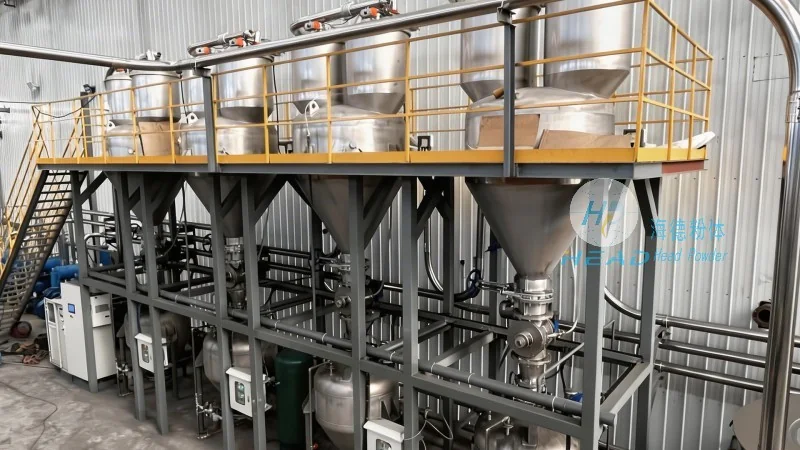
The Working Principle of Pneumatic Conveying Systems for Lysine
Pneumatic conveying systems utilize compressed air or gas to transport dry powders like lysine through a network of pipes. The process typically involves two main methods: dilute-phase and dense-phase conveying. In dilute-phase systems, the powder is suspended in a high-velocity air stream, allowing it to travel through the pipeline with minimal pressure drop. This method is ideal for short to medium distances and low to medium particle sizes. Conversely, dense-phase conveying involves a slower air flow that pushes the powder in a plug-like formation, ensuring gentle handling and reduced product degradation, which is particularly important for sensitive materials like lysine.
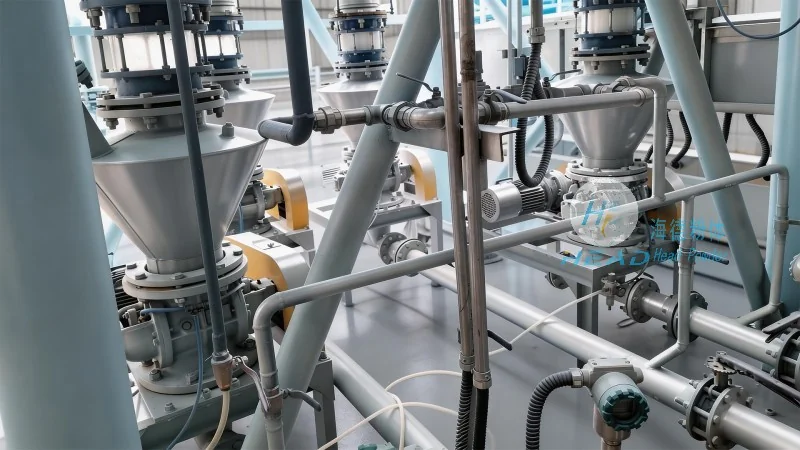
Key Components of a Lysine Pneumatic Conveying System
Effective lysine pneumatic conveying relies on several critical components that work in concert to ensure smooth operation. These include the material feed hopper, which stores and feeds the lysine powder into the system; the air compressor or blower, which generates the necessary pressure and airflow; the conveying line, typically made of stainless steel or other corrosion-resistant materials to prevent contamination and ensure durability; and the receiver or discharge hopper, where the lysine is collected after transport. Additionally, components like filters, cyclones, and pressure regulators are essential for maintaining system efficiency and safety, ensuring that the air used is clean and the pressure remains stable throughout the process.
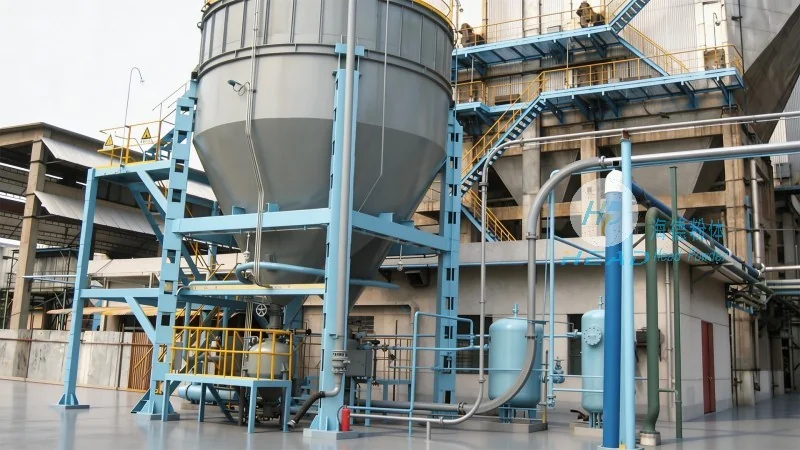
Advantages of Using Pneumatic Conveying for Lysine
Implementing pneumatic conveying systems for lysine offers numerous benefits that enhance both operational efficiency and product quality. One of the primary advantages is the ability to handle lysine in a closed system, which minimizes exposure to environmental contaminants and reduces the risk of dust-related health hazards. This closed-loop operation also helps in maintaining product purity, which is crucial for lysine used in animal feed and pharmaceuticals. Furthermore, pneumatic conveying systems can be designed to operate at various pressures, allowing for flexibility in transporting lysine over different distances and through complex layouts. The gentle handling provided by dense-phase conveying is particularly beneficial for lysine, as it prevents agglomeration and maintains the powder's flow properties, ensuring consistent performance in downstream processes.
Applications of Lysine Pneumatic Conveying in Industry
Lysine pneumatic conveying systems are widely adopted in various industries where fine powders need to be transported efficiently. In the animal feed industry, these systems are used to move lysine from storage silos to mixing facilities, ensuring a steady supply of the essential amino acid. In the pharmaceutical sector, pneumatic conveying is employed to transport lysine powders to manufacturing lines, where they are incorporated into formulations. Additionally, in chemical and food processing industries, these systems help in transferring lysine between processing stages, such as from drying to packaging. The adaptability of pneumatic conveying systems makes them suitable for a range of applications, from small-scale operations to large industrial plants.
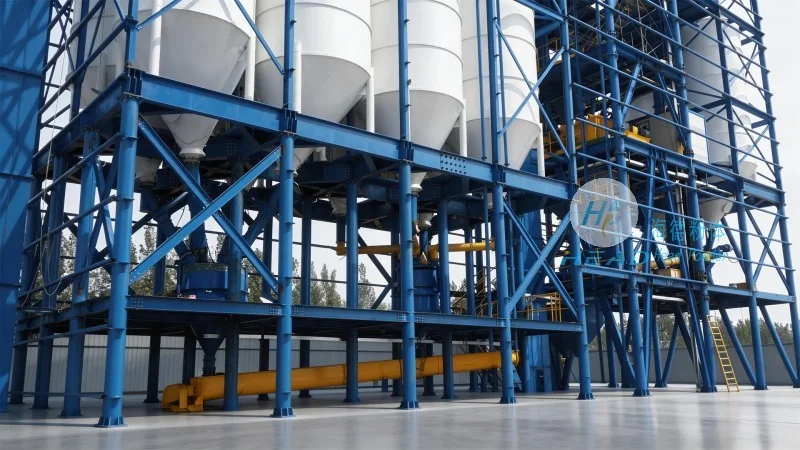
Conclusion: The Role of Pneumatic Conveying in Lysine Handling
In conclusion, lysine pneumatic conveying represents a sophisticated and efficient method for handling fine powders like lysine. By leveraging compressed air to transport the material through a closed system, these systems offer advantages in terms of safety, product quality, and operational flexibility. As the demand for lysine continues to grow in various industries, the importance of reliable and effective powder handling systems becomes increasingly evident. Companies like Shandong HeadPowder Engineering Co., Ltd., based in China, specialize in designing and manufacturing pneumatic conveying systems tailored to the specific needs of lysine and other powder handling applications, ensuring that industrial processes remain efficient and sustainable.