

What is Alumina Pneumatic Conveying? An Introduction to the Working Principle of Powder Handling Sys
Alumina, a high-purity form of aluminum oxide, is widely used in various industrial applications, including ceramics, refractories, and chemical processing. The efficient and reliable transportation of alumina powder is crucial for maintaining production efficiency and product quality. Pneumatic conveying systems have emerged as a preferred method for handling alumina due to their ability to transport powders in a closed environment, minimizing dust emissions and ensuring product integrity.
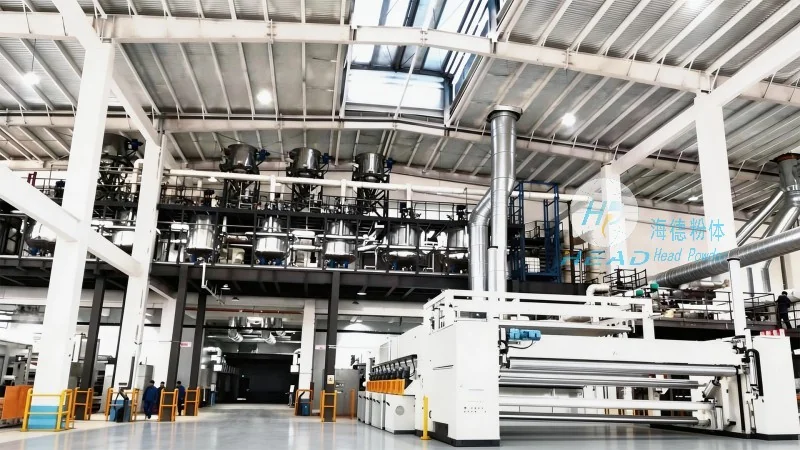
Understanding Pneumatic Conveying Systems
Pneumatic conveying systems utilize air or other gases to transport bulk materials, such as alumina powder, from one location to another. These systems are categorized into two main types: dilute-phase and dense-phase conveying. Dilute-phase systems use high-velocity air to suspend particles and transport them through pipelines, while dense-phase systems employ lower air velocities and higher particle concentrations to move material more gently and with less risk of degradation.
The Working Principle of Alumina Pneumatic Conveying
At the core of alumina pneumatic conveying is the use of a compressor or blower to generate the necessary air pressure and flow. The process typically begins with the material being fed into a hopper or feeder, where it is then introduced into the conveying line. As the air flows through the pipeline, it creates a pressure differential that propels the alumina particles forward. The system may include components like cyclones, filters, and receivers to separate the material from the air stream and collect it at the destination.
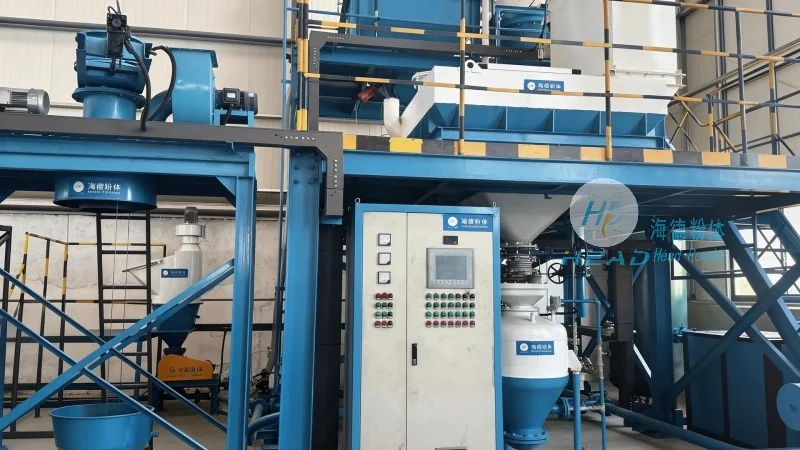
Key Components of a Pneumatic Conveying System for Alumina
A typical alumina pneumatic conveying system consists of several critical components. The compressor or blower provides the motive force, ensuring sufficient air pressure to transport the powder. The hopper or feeder is responsible for feeding the material into the system at a controlled rate. The pipeline network connects the source and destination, with appropriate fittings and valves to control flow direction and pressure. Cyclones and filters are essential for separating the alumina from the air, preventing dust contamination and ensuring clean air discharge. Finally, the receiver or silo stores the conveyed material until it is ready for use.
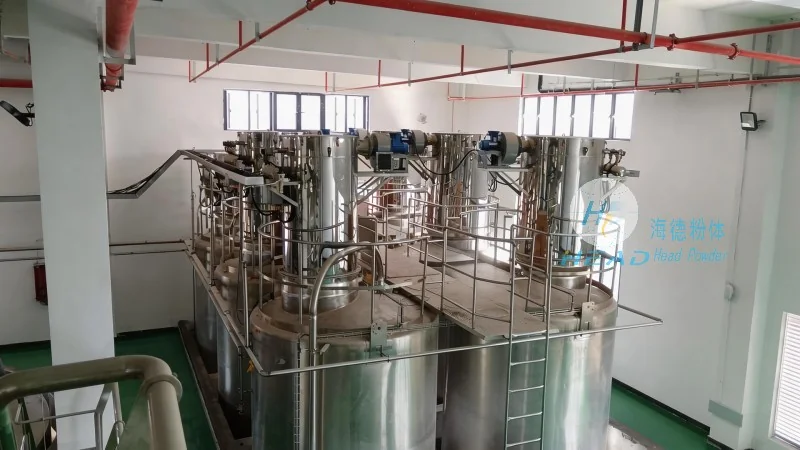
Advantages of Using Pneumatic Conveying for Alumina
Implementing a pneumatic conveying system for alumina offers several advantages over traditional methods like bucket elevators or belt conveyors. One of the primary benefits is the reduction of dust and contamination, as the material is contained within a closed system. This not only improves workplace safety but also maintains the purity of the alumina, which is critical for high-quality applications. Additionally, pneumatic conveying systems can handle a wide range of particle sizes and flow rates, making them versatile for various production needs. The ability to transport material vertically, horizontally, or in a combination of both directions also enhances flexibility in plant layout and design.
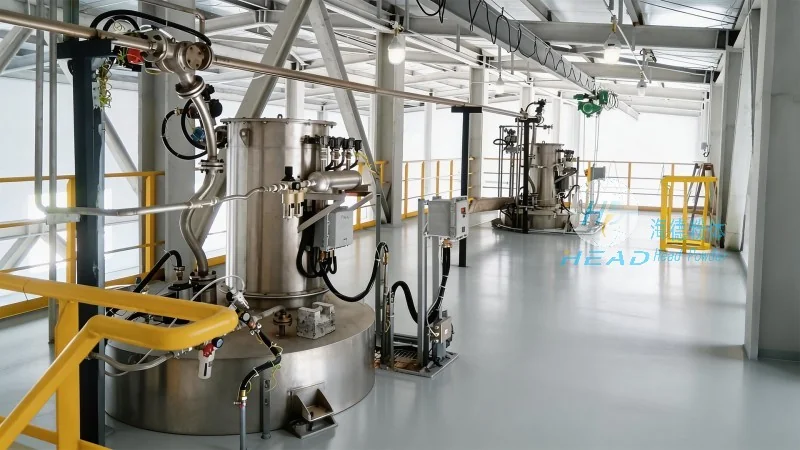
Applications and Industries Utilizing Alumina Pneumatic Conveying
Alumina pneumatic conveying systems are widely adopted across multiple industries that rely on high-purity aluminum oxide. In the ceramics industry, for example, alumina is used as a raw material for producing high-strength ceramics and refractory products. The efficient transport of alumina powder ensures consistent quality in the final products. In the chemical processing sector, alumina is used as a catalyst support or adsorbent, and pneumatic conveying helps maintain the material's integrity during handling. Other industries, such as aerospace and electronics, also benefit from the reliable and clean transport of alumina, which is essential for manufacturing components with precise specifications.
Conclusion
Pneumatic conveying systems represent an advanced and effective solution for the transportation of alumina powder. By understanding the working principles and key components of these systems, industries can optimize their material handling processes, enhance product quality, and improve operational efficiency. As a leading provider in this field, Shandong HeadPowder Engineering Co., Ltd. specializes in designing and manufacturing customized pneumatic conveying solutions tailored to the specific needs of alumina handling applications, ensuring reliable and efficient material transport for its clients.