

Introduction to Stone Pneumatic Conveying Systems: Structure and Working Principles
Stone pneumatic conveying systems are essential equipment in the construction and material handling industries, designed to transport bulk materials like gravel, crushed stone, and other solid particles through an air-driven system. These systems offer a efficient, dust-free, and flexible solution for moving materials over short to medium distances, making them a popular choice for various applications in mining, construction, and manufacturing sectors.
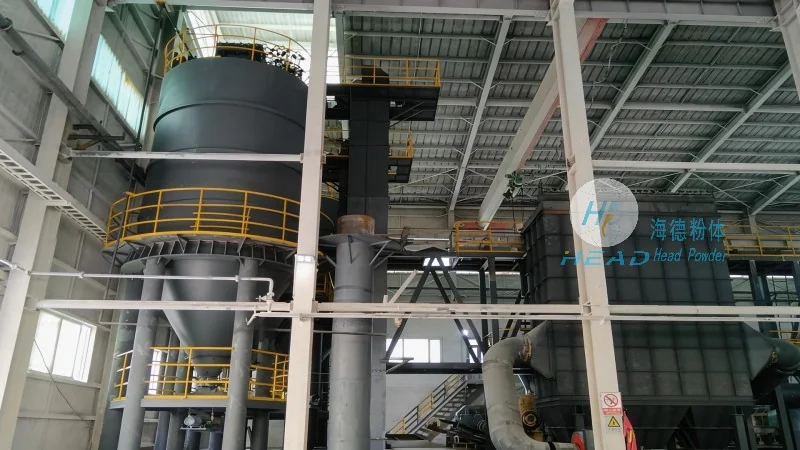
HeadPowder, a leading manufacturer based in Shandong, China, specializes in the design, development, and production of high-quality pneumatic conveying equipment. With years of experience in the industry, the company has established itself as a trusted provider of reliable and durable stone conveying solutions. The following sections will provide a detailed overview of the structure and working principles of these systems, along with key features and benefits.
Structural Components of Stone Pneumatic Conveying Systems
Stone pneumatic conveying systems typically consist of several key components that work together to ensure smooth and efficient material transport. The main components include the material hopper, feeder, air compressor, conveying pipeline, and receiving hopper. Each component plays a crucial role in the overall operation of the system.
The material hopper is the initial storage unit where the stone or gravel is loaded. It is designed to hold a sufficient quantity of material to maintain a consistent flow into the system. The feeder, often a rotary valve or a screw feeder, regulates the flow of material from the hopper into the conveying pipeline. This ensures that the material is fed at a controlled rate, preventing overloading or underfeeding of the system.
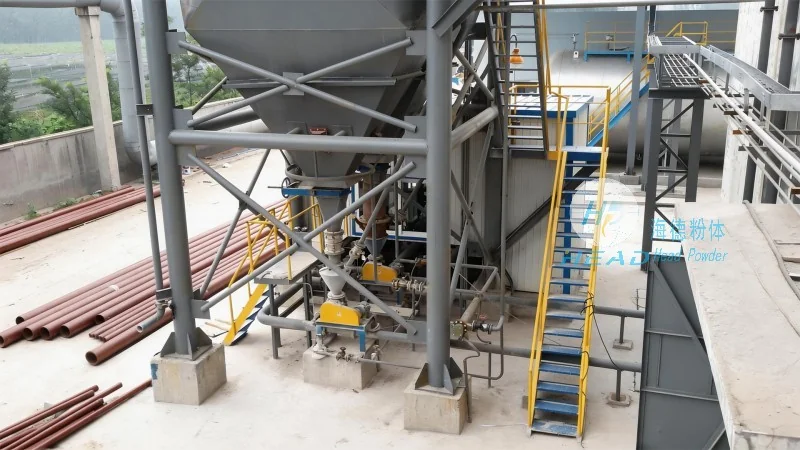
The air compressor is the heart of the pneumatic conveying system, responsible for generating the necessary air pressure to move the material through the pipeline. The compressor can be either a positive displacement type or a centrifugal type, depending on the system requirements and material characteristics. The conveying pipeline, usually made of stainless steel or other corrosion-resistant materials, is designed to withstand the pressure and friction caused by the moving material and air.
The receiving hopper is the final destination where the conveyed stone is collected. It is equipped with a discharge valve or a conveyor to transfer the material to the next processing stage. The entire system is connected by a network of pipes and fittings, ensuring a seamless flow of material from the source to the destination.
Working Principles of Stone Pneumatic Conveying Systems
The operation of a stone pneumatic conveying system is based on the principle of air pressure and flow. The system works by creating a pressure differential between the material hopper and the receiving hopper. The air compressor generates high-pressure air, which is introduced into the conveying pipeline. As the air flows through the pipeline, it picks up the material from the hopper and transports it to the receiving hopper.
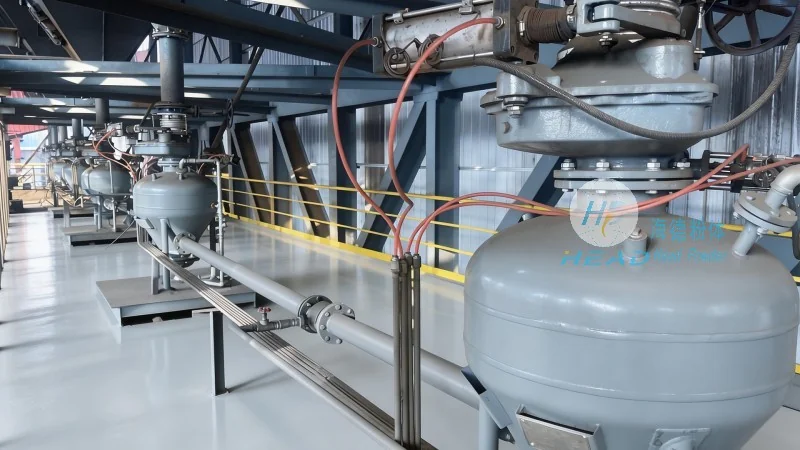
There are two main types of pneumatic conveying systems: positive pressure and negative pressure. In a positive pressure system, the air compressor supplies air under pressure to the entire pipeline, pushing the material forward. This type is suitable for short to medium distances and is commonly used for conveying dry materials like gravel. In a negative pressure system, the air is drawn from the receiving hopper, creating a vacuum that pulls the material from the hopper. This type is more suitable for longer distances and can handle a wider range of materials, including those with higher moisture content.
The material is carried in the pipeline by the air stream, which can be either a dilute phase or a dense phase. In a dilute phase system, the material is suspended in the air and moves at high velocity, typically at a ratio of 1:10 (material to air). In a dense phase system, the material is conveyed in a slurry-like state, with a higher material-to-air ratio, typically 1:5 or lower. The choice between these two systems depends on the specific requirements of the application, such as material characteristics, distance, and desired flow rate.
About HeadPowder Engineering Co., Ltd.
HeadPowder Engineering Co., Ltd. is a professional manufacturer and supplier of pneumatic conveying equipment, with a focus on providing high-quality solutions for stone and other bulk material handling. The company is headquartered in Shandong, China, and has a strong reputation for its innovative designs, reliable performance, and excellent customer service. HeadPowder's team of engineers and technicians has extensive experience in the field, ensuring that each product meets the highest standards of quality and efficiency.
The company's products are designed to meet the diverse needs of various industries, including construction, mining, and manufacturing. HeadPowder's stone pneumatic conveying systems are known for their durability, low maintenance requirements, and energy efficiency. The company also offers customized solutions to suit specific customer requirements, ensuring that each system is tailored to the unique needs of the application.
Key Features and Benefits of Stone Pneumatic Conveying Systems
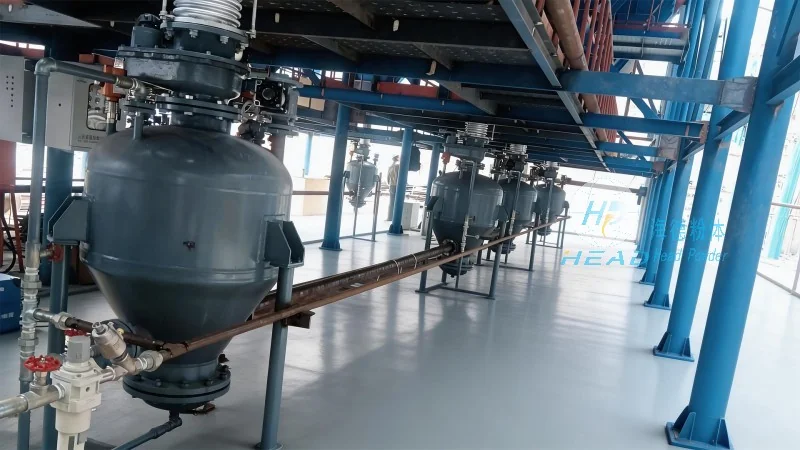
Stone pneumatic conveying systems offer several advantages over traditional methods of material transport, such as belt conveyors or bucket elevators. One of the main benefits is the ability to transport materials in a dust-free environment, which is crucial for maintaining a clean and safe working environment. The systems also provide a flexible and compact design, allowing for easy installation and integration into existing facilities.
Another key advantage is the high efficiency and low energy consumption of the systems. By using air as the conveying medium, the systems can transport materials over longer distances with less energy compared to other methods. Additionally, the systems are capable of handling a wide range of materials, including those with high moisture content or abrasive properties, without causing damage to the equipment.
The systems also offer high reliability and low maintenance costs. The components are designed to withstand the harsh conditions of the material handling industry, and the system is equipped with safety features to prevent accidents and ensure smooth operation. HeadPowder's stone pneumatic conveying systems are backed by a comprehensive warranty and after-sales service, ensuring that customers receive long-term support and maintenance.