

Coal Ash Pneumatic Conveying Systems: An Overview of Structure and Working Principles
Coal ash, a byproduct of coal combustion in power plants and industrial facilities, requires efficient and reliable handling methods for transport and disposal. Pneumatic conveying systems have emerged as a preferred solution for coal ash transportation due to their ability to handle abrasive materials while minimizing environmental impact and operational costs. This article provides an overview of coal ash pneumatic conveying systems, focusing on their structural design and operational principles.
Structural Components of Coal Ash Pneumatic Conveying Systems
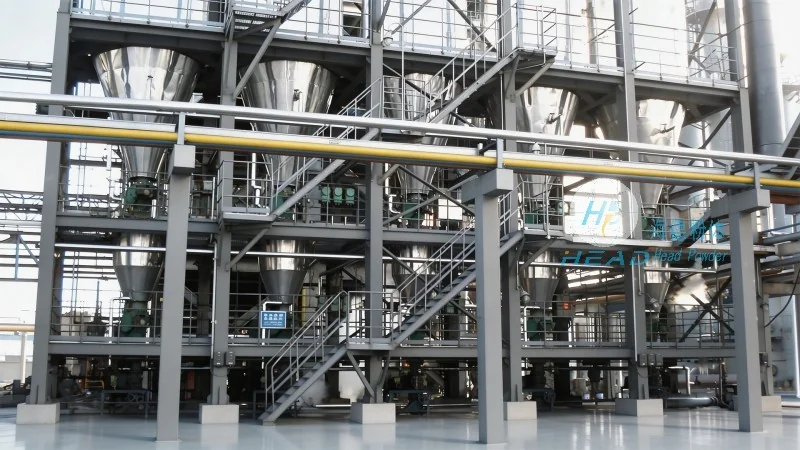
The core components of a coal ash pneumatic conveying system include the material feed hopper, the conveying pipeline, the air supply system, and the discharge unit. The feed hopper is designed to store and meter the coal ash, ensuring a consistent flow into the system. It typically features a sloped bottom to facilitate material discharge and may include a vibrating or rotary feeder to control the feed rate. The conveying pipeline is constructed from durable materials such as stainless steel or high-density polyethylene to withstand the abrasive nature of coal ash and prevent material buildup or corrosion. The air supply system, often powered by a blower or compressor, generates the necessary pressure or vacuum to move the material through the pipeline. This system includes filters and moisture control devices to maintain air quality and prevent system blockages. The discharge unit, located at the end of the pipeline, collects the conveyed coal ash and directs it to the final storage or disposal location. It may include a cyclone separator or a rotary valve to separate the material from the air stream and ensure efficient discharge.
Working Principles of Coal Ash Pneumatic Conveying
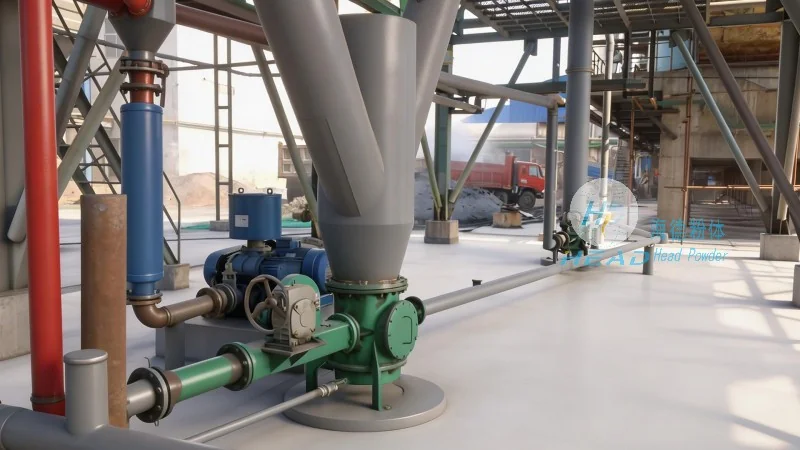
Coal ash pneumatic conveying systems operate based on the principle of air movement to transport particulate materials. There are two primary modes of operation: pressure and vacuum. In pressure systems, a blower or compressor creates positive pressure within the pipeline, forcing the coal ash and air mixture through the system. The material is suspended in the air stream and transported to the discharge point. Vacuum systems, on the other hand, use a vacuum pump to create a negative pressure, drawing the coal ash and air mixture from the source and transporting it to the collection point. Both systems rely on the velocity of the air stream to keep the coal ash particles suspended and prevent clogging. The design of the system, including pipe diameter, air velocity, and material feed rate, is critical to ensuring efficient and reliable operation. Proper maintenance of the components, such as regular cleaning of filters and checking for leaks in the pipeline, is essential to prevent system failures and maintain performance.
About Shandong HeadPowder Engineering Co., Ltd.
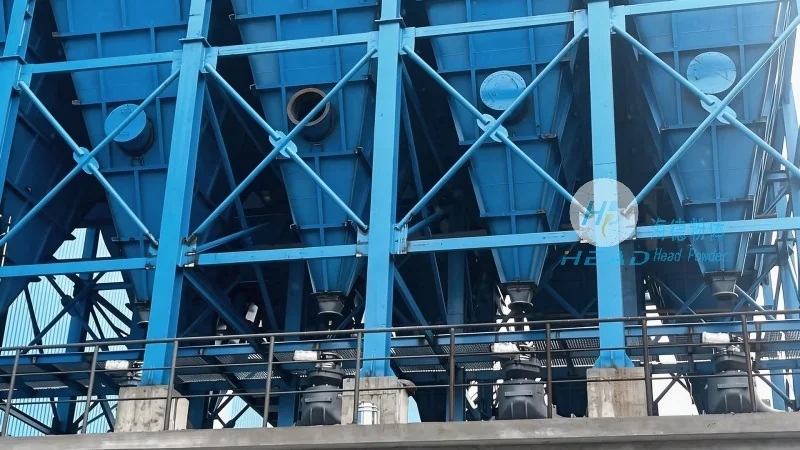
Shandong HeadPowder Engineering Co., Ltd., operating under the brand name headpowder, is a leading manufacturer and supplier of industrial conveying systems, including coal ash pneumatic conveying solutions. With headquarters in Shandong, China, the company specializes in designing, manufacturing, and installing customized pneumatic conveying systems tailored to the specific needs of power plants, cement factories, and other industrial facilities. Headpowder leverages advanced engineering and manufacturing capabilities to deliver high-quality, durable, and efficient conveying systems that meet the stringent requirements of coal ash handling applications. The company's commitment to innovation and customer satisfaction has established it as a trusted partner in the industry, providing reliable solutions for material transport and processing.