

Introduction to Tank Truck Pneumatic Conveying Systems: Structure and Working Principles
Shandong HeadPowder Engineering Co., Ltd., based in Shandong, China, specializes in the design and manufacturing of advanced pneumatic conveying systems for various industrial applications. This article provides an overview of tank truck pneumatic conveying systems, detailing their structural components and operational principles.
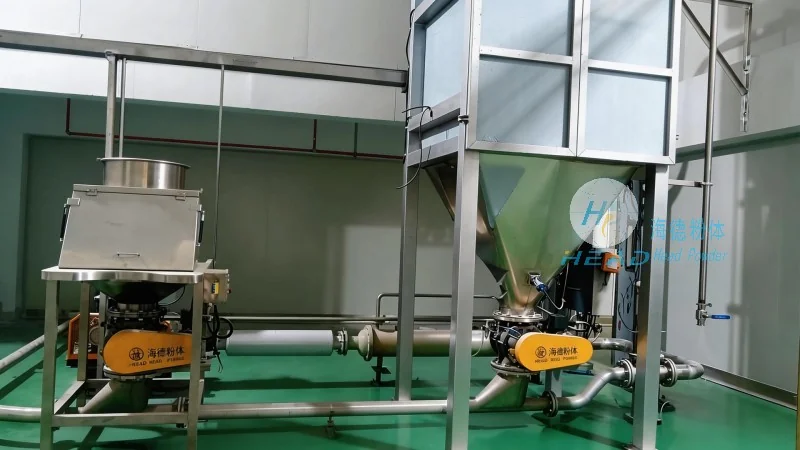
Overview of Tank Truck Pneumatic Conveying Systems
Tank truck pneumatic conveying systems are essential equipment used in industries such as chemicals, food processing, and pharmaceuticals to safely and efficiently transfer bulk materials from tanker trucks to processing facilities or storage areas. These systems utilize compressed air or other gases to create a flow of material through a network of pipes, eliminating the need for manual handling and reducing the risk of contamination or spillage.
Key Structural Components of the System
The tank truck pneumatic conveying system consists of several critical components that work in tandem to ensure smooth operation. The primary components include:
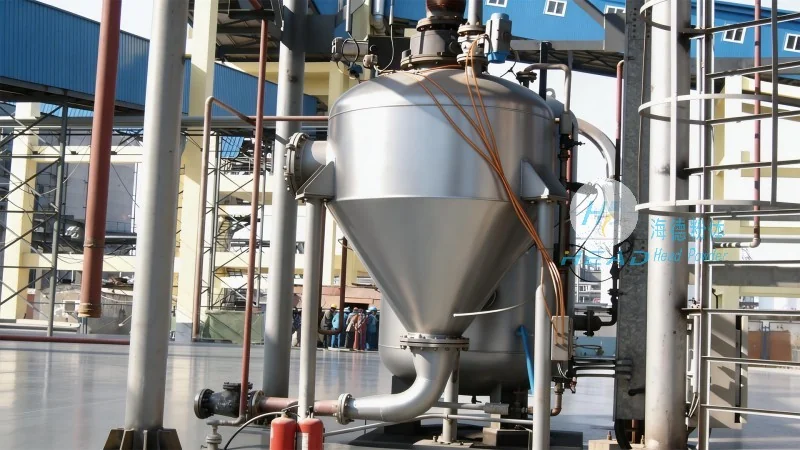
- Feed Hopper and Valve: The feed hopper is positioned at the bottom of the tanker truck and equipped with a valve that controls the release of material. This component ensures a controlled flow of bulk material into the conveying system.
- Pneumatic Conveying Pipe Network: A network of pipes connects the feed hopper to the receiving hopper or storage silo. The pipes are typically made of durable materials like stainless steel or plastic to withstand the abrasive nature of the conveyed materials and the effects of compressed air.
- Air Compressor and Blower: The air compressor or blower generates the necessary pressure to move the material through the pipes. It supplies compressed air at a specific pressure and flow rate, which is critical for maintaining the material's suspension and ensuring efficient transport.
- Control System: The control system monitors and regulates the operation of the entire system. It includes sensors to detect material levels, pressure, and flow rates, as well as control valves to adjust the air supply and material discharge as needed.
- Receiving Hopper or Silo: The receiving hopper or silo is the final destination for the conveyed material. It is designed to store the material safely and can be connected to downstream processing equipment for further use.
Working Principles of the System
The operation of a tank truck pneumatic conveying system follows a systematic process to transfer bulk materials. The sequence typically involves the following steps:
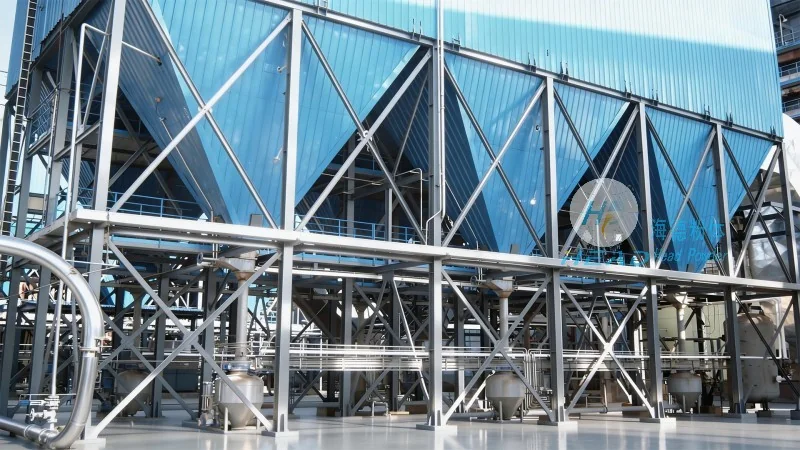
- Material Loading: The tanker truck is loaded with the bulk material, such as powders or granules, at the source location.
- System Activation: Once the truck is positioned at the receiving facility, the pneumatic conveying system is activated. The air compressor starts, and the feed hopper valve is opened to allow material to enter the pipe network.
- Material Suspension and Transport: Compressed air from the blower is introduced into the pipe system, creating a flow that suspends the material particles and propels them through the pipes. The air and material mixture travels at high velocity, ensuring efficient transport over long distances.
- Material Deposition: At the receiving end, the material is deposited into the receiving hopper or silo. The air continues to flow through the system, carrying any remaining particles until the pressure is reduced and the air is vented safely.
- System Shutdown: After the material transfer is complete, the system is shut down. The air compressor is turned off, and the feed hopper valve is closed to prevent material leakage.
Advantages of Tank Truck Pneumatic Conveying Systems
Implementing a tank truck pneumatic conveying system offers several advantages over traditional material handling methods. These include:
- Efficiency and Speed: The system allows for rapid and continuous transfer of bulk materials, reducing downtime and increasing production throughput.
- Reduced Labor and Safety: Automated operation minimizes the need for manual handling, lowering the risk of workplace injuries and exposure to hazardous materials.
- Cleanliness and Hygiene: The enclosed system prevents contamination from external sources and maintains a clean environment, which is particularly important in industries like food and pharmaceuticals.
- Flexibility and Scalability: The system can be customized to handle various material types and can be scaled up or down to meet changing production demands.
- Environmental Benefits: By eliminating the need for trucks or conveyor belts for short-distance transport, the system reduces carbon emissions and environmental impact.
Conclusion
Tank truck pneumatic conveying systems are a vital component in modern industrial operations, providing an efficient, safe, and environmentally friendly method for bulk material transfer. Shandong HeadPowder Engineering Co., Ltd. specializes in designing and manufacturing high-quality systems tailored to meet the specific needs of various industries, ensuring reliable and effective material handling solutions.