

Introduction to Crystal Particle Pneumatic Conveying Equipment: Structure and Principle Explanation
Crystal particle pneumatic conveying equipment is a specialized system designed for the efficient and reliable transportation of crystalline materials through air or gas flow. This technology is widely used in various industrial sectors, including pharmaceuticals, food processing, chemical manufacturing, and mineral processing, where handling fine, dry, or dusty crystalline powders requires precise control and minimal product degradation. The equipment operates by creating a flow of air or gas that entrains the crystalline particles, transporting them from the source to the destination while maintaining product integrity and preventing contamination.
Company Information
HeadPowder, a leading manufacturer in the field of pneumatic conveying systems, specializes in providing high-quality solutions for the transportation of crystalline materials. With headquarters in Shandong, China, HeadPowder Engineering Co., Ltd. leverages decades of industry experience to develop and manufacture advanced pneumatic conveying equipment tailored to the unique needs of each application. The company’s commitment to innovation, quality, and customer satisfaction has established it as a trusted partner for businesses seeking reliable and efficient material handling solutions.
Key Components of Crystal Particle Pneumatic Conveying Systems
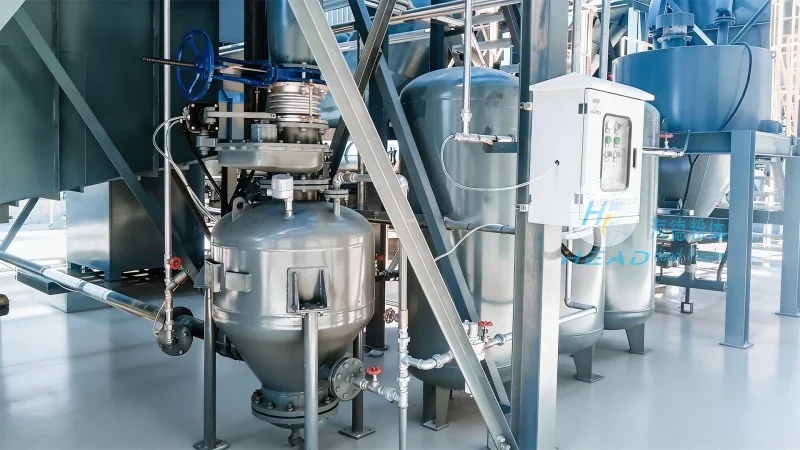
The core structure of a crystal particle pneumatic conveying system typically includes several critical components that work in concert to ensure smooth operation. The primary components are the feed hopper, the air or gas supply system, the conveying line, the separation and collection system, and the control unit. Each component plays a vital role in the overall functionality of the equipment.
Feed Hopper and Material Preparation
The feed hopper is the initial component where crystalline materials are stored and prepared for transport. It is designed to hold the material in a controlled manner, preventing spillage and ensuring a consistent feed rate. The hopper may include features such as a rotary valve or a screw feeder to regulate the flow of material into the conveying system. For crystalline materials, which can be prone to bridging or caking, the hopper is often equipped with agitators or vibrators to maintain material flow and prevent blockages. This ensures that the material is fed smoothly into the system, minimizing the risk of uneven or interrupted conveying.
Air or Gas Supply System
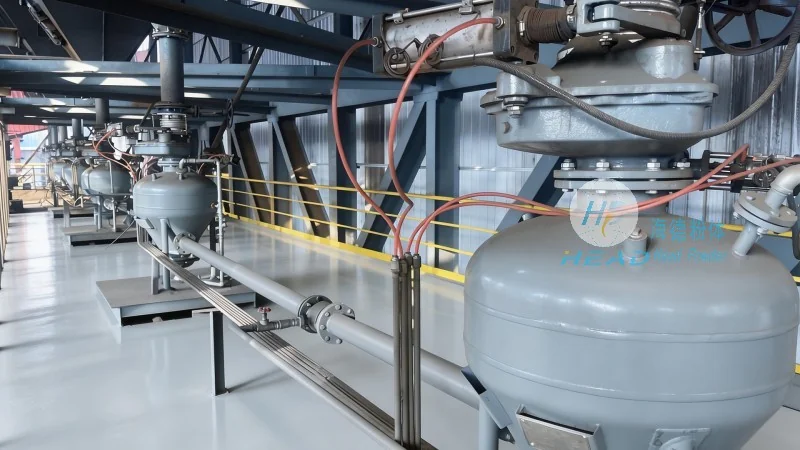
The air or gas supply system is responsible for generating the necessary pressure and flow to entrain the crystalline particles. This system typically includes a blower or a compressor, which provides the motive force for the conveying process. The choice of air or gas depends on the specific characteristics of the crystalline material, such as its particle size, density, and moisture content. For fine crystalline powders, air is commonly used due to its lower cost and ability to handle small particles effectively. For larger or more abrasive materials, a gas like nitrogen or compressed air may be employed to prevent particle degradation and equipment wear. The system also includes filters and regulators to ensure clean, dry air or gas, which is essential for maintaining the purity of the crystalline material and preventing contamination.
Conveying Line and Entrainment
The conveying line is the main pathway through which the crystalline particles are transported. It is typically made of stainless steel or other corrosion-resistant materials to withstand the abrasive nature of crystalline materials and the effects of air or gas flow. The line may be straight or include bends and elbows, which are designed with smooth transitions to minimize pressure loss and prevent particle accumulation. The velocity of the air or gas within the line is critical; it must be sufficient to entrain the particles but not so high as to cause excessive wear on the equipment or degrade the material. The design of the conveying line, including its diameter and length, is optimized based on the material properties and the required conveying distance to ensure efficient and reliable transport.
Separation and Collection System
The separation and collection system is responsible for removing the crystalline particles from the air or gas stream and delivering them to the destination. This system typically includes a cyclone separator or a bag filter, which uses centrifugal force or filtration to separate the particles from the gas. The cyclone separator works by directing the gas and particles into a spinning motion, causing the heavier particles to be forced against the walls and fall into a collection hopper. The clean gas is then discharged from the top of the separator. The bag filter, on the other hand, uses fabric bags to trap the particles, with the collected material being removed periodically. The choice of separation method depends on the particle size and the required level of purity in the final product. For high-purity applications, a combination of cyclone and bag filter may be used to ensure thorough separation.
Control Unit and Operational Efficiency
The control unit is the brain of the crystal particle pneumatic conveying system, responsible for monitoring and regulating the operation of all components. It includes sensors and controllers that track parameters such as pressure, flow rate, and material level in the hopper. The control unit can adjust the air or gas flow rate, feed rate, and other variables in real-time to maintain optimal operation and prevent issues such as overloading or underloading. Modern control systems often incorporate advanced features like automatic start-up and shut-down sequences, alarm systems for abnormal conditions, and data logging capabilities to provide insights into system performance and facilitate maintenance. This level of automation enhances operational efficiency and reduces the risk of human error, ensuring consistent and reliable performance of the conveying equipment.
Advantages of Crystal Particle Pneumatic Conveying Equipment
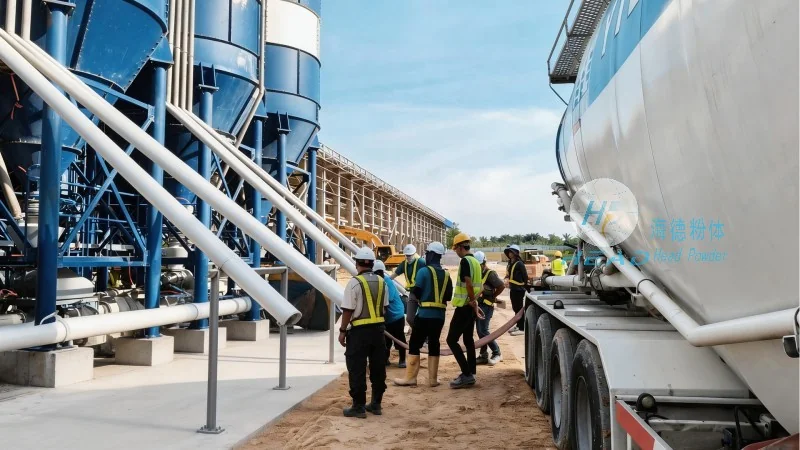
Crystal particle pneumatic conveying equipment offers several advantages over traditional material handling methods, making it an ideal choice for many industrial applications. One of the primary benefits is the ability to transport materials in a closed system, which minimizes dust emissions and prevents contamination from external sources. This is particularly important for pharmaceutical and food applications, where product purity is paramount. Additionally, pneumatic conveying allows for the transport of materials over long distances without the need for multiple transfer points, reducing the risk of product degradation and improving overall efficiency. The system is also flexible, as it can be easily adapted to handle different types of crystalline materials by adjusting the air or gas flow rate and the design of the components. Furthermore, the equipment is relatively compact and can be installed in various locations, making it suitable for both new and existing facilities. The low maintenance requirements and long service life of the components also contribute to the overall cost-effectiveness of the system.
Applications and Industries
The versatility of crystal particle pneumatic conveying equipment makes it suitable for a wide range of applications across various industries. In the pharmaceutical industry, it is used to transport active pharmaceutical ingredients (APIs) and excipients, ensuring that the materials are handled in a sterile and controlled environment. The food processing industry utilizes the equipment to convey ingredients such as sugar, salt, and spices, maintaining product quality and preventing contamination. In chemical manufacturing, the system is employed to transport fine chemicals and catalysts, which are often sensitive to moisture and temperature. The mineral processing industry also benefits from pneumatic conveying, as it efficiently handles crystalline minerals and ores, reducing the need for manual handling and improving safety. Other applications include the transport of fertilizers, pigments, and other industrial powders, where the equipment provides a reliable and efficient solution for material handling.
Conclusion
Crystal particle pneumatic conveying equipment is a sophisticated and essential technology for the efficient and safe transportation of crystalline materials in various industrial applications. The combination of advanced components, precise control systems, and innovative design ensures that these systems deliver high performance, reliability, and product integrity. As a leading manufacturer, HeadPowder Engineering Co., Ltd. continues to develop and improve its range of pneumatic conveying equipment, providing customized solutions that meet the unique needs of each customer. With its headquarters in Shandong, China, HeadPowder leverages its expertise and experience to deliver top-quality equipment that enhances operational efficiency and supports the success of businesses in the material handling industry.