

Introduction to Barium Carbonate Pneumatic Conveying Equipment: Structure and Working Principle
Barium carbonate is a widely used chemical compound in various industrial applications, and efficient handling of this material is crucial for maintaining production efficiency and safety. Pneumatic conveying systems offer a reliable solution for transporting barium carbonate, especially in environments where traditional methods may pose challenges. This article provides an overview of the pneumatic conveying equipment designed for barium carbonate, focusing on its structural design and operational principles.
Overview of Pneumatic Conveying Systems for Barium Carbonate
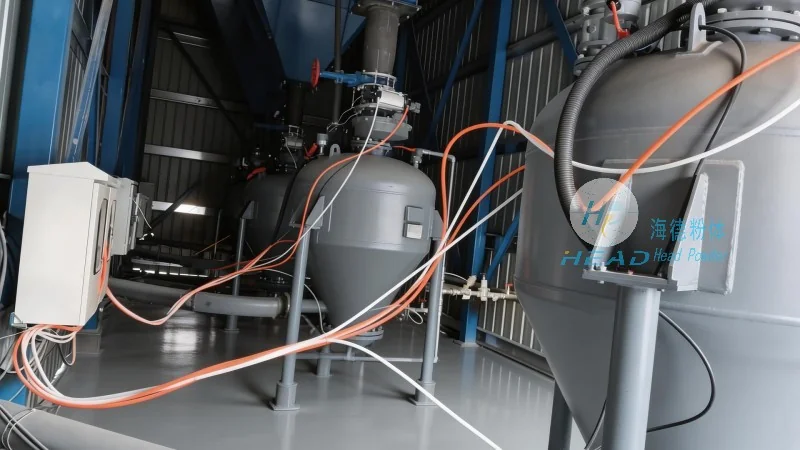
Pneumatic conveying systems utilize air or other gases to transport bulk materials like barium carbonate through a pipeline network. These systems are preferred in industries dealing with fine powders due to their ability to minimize dust generation and prevent material contamination. The equipment typically consists of a hopper, a feeder, a conveying line, and a receiver, each component working in tandem to ensure smooth material transfer.
Key Components of Barium Carbonate Pneumatic Conveying Equipment
The core components of the barium carbonate pneumatic conveying system include the material hopper, which stores the bulk barium carbonate, and a rotary valve or screw feeder that controls the flow rate of the material into the conveying line. The conveying line is usually made of stainless steel or other corrosion-resistant materials to handle the chemical properties of barium carbonate. At the receiving end, a dust collector or a cyclone separator is often integrated to capture any fine particles and ensure a clean discharge.
Structural Design and Working Principle
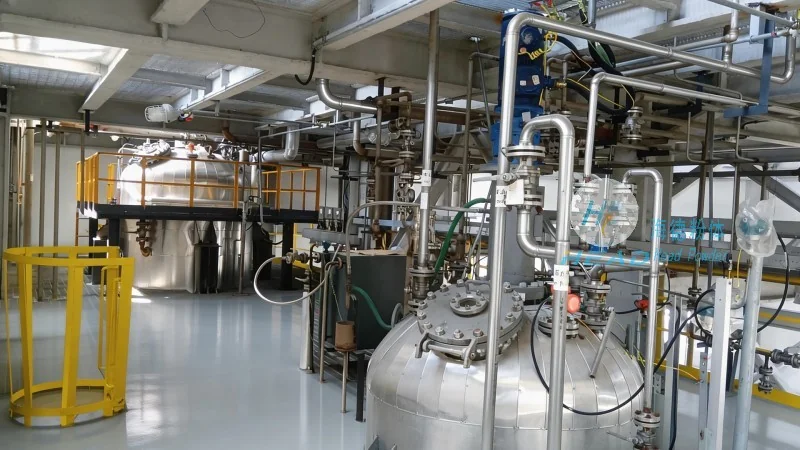
The structural design of the barium carbonate pneumatic conveying equipment is optimized for high efficiency and durability. The hopper is designed with a conical bottom to facilitate uniform material discharge, reducing the risk of clogging. The feeder mechanism, often a rotary valve, is engineered to provide a consistent flow rate, which is critical for maintaining the stability of the conveying process. The conveying line is equipped with pressure regulators and flow meters to monitor and control the air pressure and material flow, ensuring optimal performance.
Operational Principles and Efficiency
The working principle of the pneumatic conveying system involves creating a pressure differential between the hopper and the receiver. By introducing compressed air into the conveying line, the barium carbonate particles are entrained and transported to the destination. The system operates under either positive or negative pressure, depending on the specific application requirements. Positive pressure systems push the material through the line, while negative pressure systems pull it, with each having advantages in different industrial settings.
Advantages of Using Pneumatic Conveying for Barium Carbonate
Implementing pneumatic conveying for barium carbonate offers several advantages over traditional methods such as bucket elevators or belt conveyors. These systems are more hygienic, as they minimize direct contact between the material and the environment, which is essential in pharmaceutical or food processing industries. Additionally, pneumatic conveying reduces the risk of material degradation due to less exposure to air and moisture. The equipment also allows for flexible layout designs, as the conveying lines can be installed in various configurations to suit the plant layout.
Application Examples and Industry Use Cases
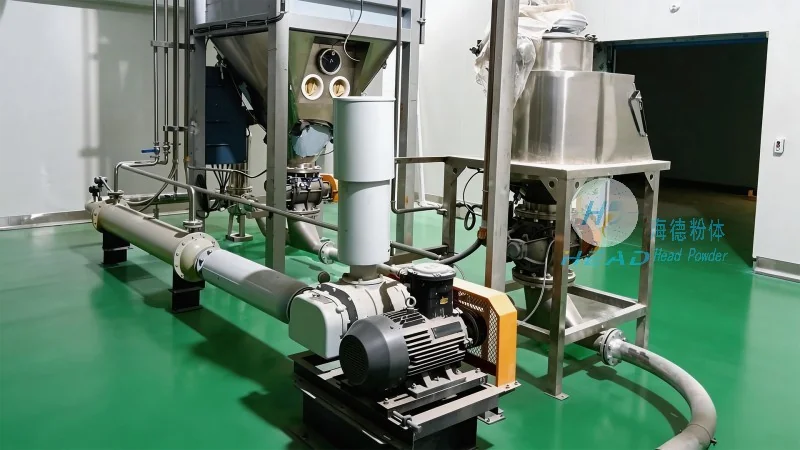
Barium carbonate pneumatic conveying equipment is commonly used in industries such as ceramics, glass manufacturing, and chemical processing. In the ceramics industry, it is used to transport barium carbonate for glaze production, where precise material handling is critical for achieving consistent product quality. In glass manufacturing, the material is used as a flux, and the conveying system ensures that it is delivered to the furnace without any loss or contamination. The equipment also finds applications in the production of barium sulfate, where the material needs to be transferred between processing stages efficiently.
Maintenance and Operational Considerations
Proper maintenance of the pneumatic conveying system is essential to ensure long-term reliability and performance. Regular cleaning of the hopper, feeder, and conveying line is necessary to prevent material buildup and clogging. The air filtration system should be checked and replaced as needed to maintain air quality and prevent dust accumulation. Additionally, monitoring the pressure and flow rates during operation helps in identifying any potential issues early, allowing for timely maintenance and reducing downtime.
Conclusion
In conclusion, the pneumatic conveying equipment for barium carbonate is a sophisticated system designed to handle fine powders efficiently and safely. Its structural design and operational principles are tailored to meet the specific requirements of industrial applications, ensuring high throughput and minimal material loss. By understanding the components and working mechanisms of this equipment, industries can optimize their material handling processes and enhance overall production efficiency.