

Introduction to the Pneumatic Conveying of Manganese Silicate and Its Structural Principles
For industrial operations involving manganese silicate, efficient material transport is a critical requirement. Pneumatic conveying systems provide a robust solution, and understanding their structural design and operational principles is essential for maximizing performance and reliability. This article offers a comprehensive overview of the pneumatic conveying of manganese silicate, focusing on the key structural components and the fundamental principles that enable effective material handling.
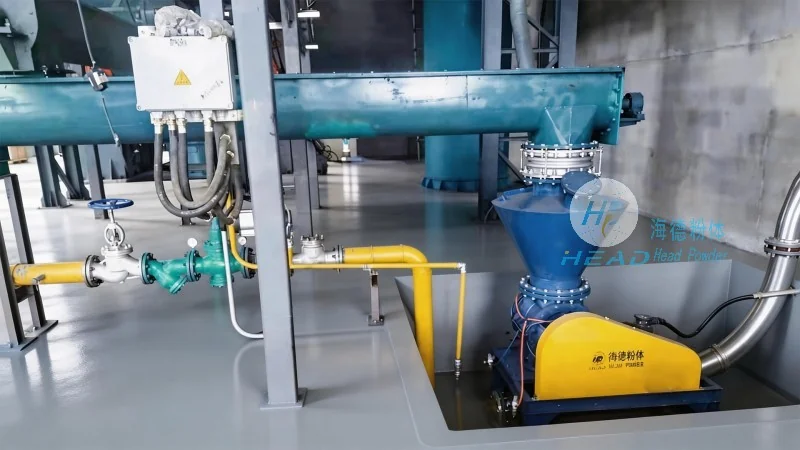
Pneumatic Conveying Systems: Core Structural Components and Their Functions
Pneumatic conveying systems for manganese silicate typically consist of several interrelated components that work in unison to transport the material. The primary components include a material feeding device, a conveying pipeline, a separation unit, and a collection or discharge system. The feeding device, often a hopper or rotary valve, introduces the manganese silicate into the system, ensuring a consistent and controlled flow of material. The conveying pipeline, constructed from durable materials such as stainless steel or specialized alloys, forms the main transport path. This pipeline is designed to withstand the pressures and temperatures associated with the material and air mixture. The separation unit, which may be a cyclone separator or a filter, is responsible for separating the manganese silicate particles from the air stream. This unit recovers the material and returns the air to the system for reuse. Finally, the collection system stores the processed manganese silicate, preparing it for subsequent processing or use.
Structural Principles Underpinning Manganese Silicate Pneumatic Conveying
The structural principles of pneumatic conveying for manganese silicate revolve around the balance of pressure, velocity, and material characteristics. The system operates by creating a pressure differential between the inlet and outlet of the conveying line. This differential generates the necessary airflow to move the material particles. The velocity of the air within the pipeline is a critical parameter; it must be sufficient to overcome gravitational forces and prevent particle settling or blockage. For manganese silicate, which may exhibit varying particle sizes, densities, and flow properties, the system design must be optimized to accommodate these variations. The feeding mechanism's design is particularly important, as it must handle the material's flow characteristics without causing excessive wear or clogging. The separation unit's design, including its dimensions and angle, is engineered to maximize material recovery and minimize air loss. The pipeline's diameter and length are also carefully selected to ensure stable and efficient transport, avoiding issues such as pressure drop or material degradation.
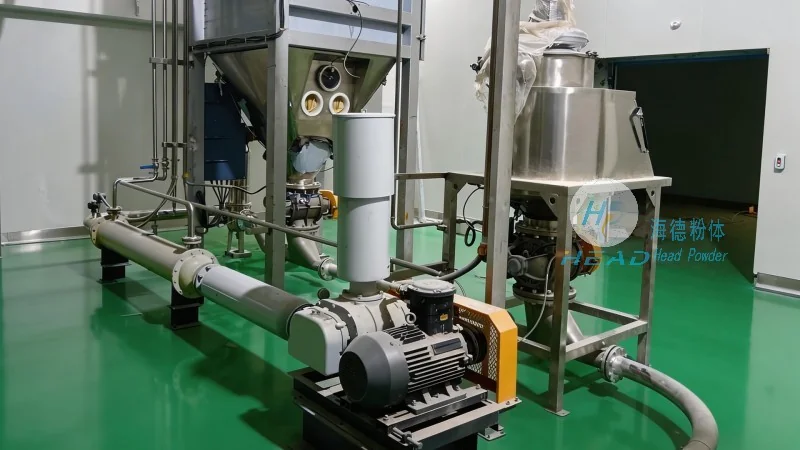
Company Profile: Shandong HeadPowder Engineering Co., Ltd.
Shandong HeadPowder Engineering Co., Ltd., branded as headpowder, specializes in the development, manufacturing, and installation of advanced material handling systems, including pneumatic conveying solutions for diverse industrial applications. The company has established itself as a leader in providing customized and reliable systems tailored to the unique needs of clients. Headpowder's engineering expertise focuses on addressing the challenges of handling materials like manganese silicate, which often require specialized equipment to ensure efficient and safe transport. The company's facilities are located in Shandong, China, where they leverage local resources and technical expertise to deliver high-quality products and services. By combining technical innovation with practical application, headpowder ensures that their pneumatic conveying systems meet the highest standards of performance, durability, and operational efficiency. The company's commitment to quality and customer satisfaction has earned it a reputation in the industry for delivering solutions that enhance production processes and reduce operational costs.
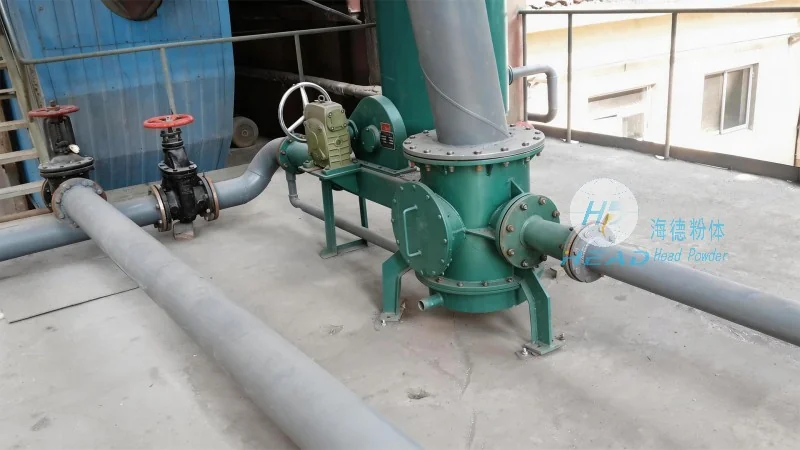
Applications and Advantages of Manganese Silicate Pneumatic Conveying
The pneumatic conveying of manganese silicate is widely used in industries such as chemical manufacturing, mining, and environmental remediation. The advantages of this method include reduced labor requirements, enhanced workplace safety by minimizing manual handling, and improved process efficiency. Compared to traditional methods like belt conveyors or bucket elevators, pneumatic conveying systems can handle materials with high moisture content or abrasive properties without significant wear or degradation. The flexibility of the system allows for easy integration into existing production lines, and the ability to transport materials over long distances without intermediate storage points streamlines operations. For manganese silicate, which is commonly used as a raw material in the production of fertilizers or other chemical products, the efficiency of the conveying system directly impacts overall productivity. The ability to maintain consistent material flow and minimize downtime is critical, and pneumatic conveying systems provide the reliability needed to achieve these operational goals. Additionally, the system's ability to handle materials in a closed environment reduces dust emissions and improves environmental compliance, making it an attractive option for modern industrial applications.
Conclusion: Optimizing Material Handling with Pneumatic Technology
In summary, the pneumatic conveying of manganese silicate is a sophisticated system that integrates engineering principles with practical application to achieve efficient material transport. The structural components and operational principles of the system are designed to handle the specific properties of manganese silicate, ensuring reliable and consistent performance. Companies like Shandong HeadPowder Engineering Co., Ltd. play a vital role in developing and implementing these systems, providing customized solutions that meet the unique requirements of industrial clients. As industries continue to seek more efficient and sustainable material handling methods, pneumatic conveying remains a key technology, and the expertise of companies like headpowder is essential in advancing this field. By understanding the structural principles and benefits of pneumatic conveying, industries can optimize their operations, improve productivity, and enhance overall process reliability. The continued development and refinement of pneumatic conveying systems will undoubtedly contribute to the advancement of material handling technologies in the future.