

Chilli Powder Pneumatic Conveying: An Overview of Structure and Working Principles
Shandong HeadPowder Engineering Co., Ltd., branded as headpowder, specializes in engineering solutions for the handling and processing of bulk materials, including chili powder. With a focus on efficient and reliable material transport, the company has developed advanced pneumatic conveying systems tailored to the unique challenges of handling fine, dusty, or abrasive powders like chili powder.
What is Pneumatic Conveying for Chilli Powder?
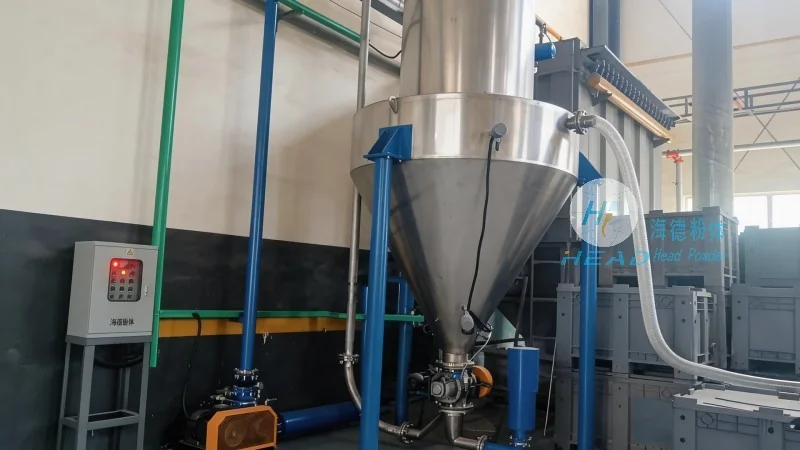
Pneumatic conveying is a method of transporting bulk materials through a pipeline using air or gas as the conveying medium. In the context of chili powder, this technology is crucial for maintaining product quality while ensuring safe and efficient movement from storage to processing or packaging areas. The system typically involves a hopper, a conveyor line, and a receiver, all connected by a network of pipes. The process begins when the chili powder is fed into the hopper, where it is then drawn into the conveyor line by a vacuum or pressure source. This method eliminates the need for mechanical components like belts or buckets, reducing the risk of contamination and product degradation.
Structural Principles of the Pneumatic Conveying System
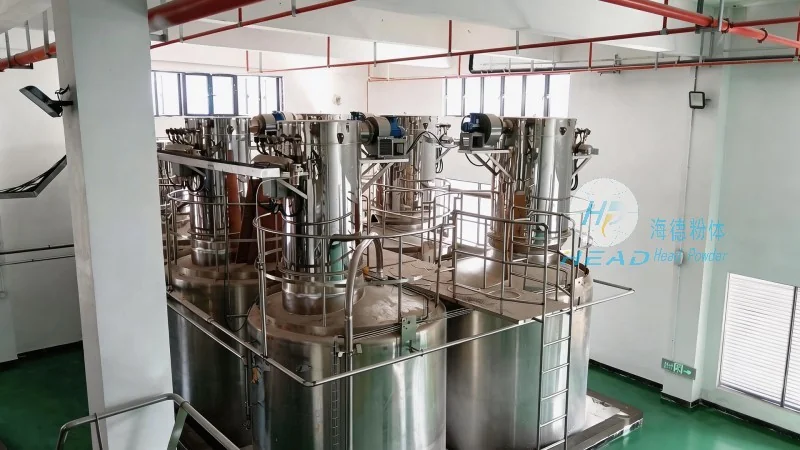
The core structure of a pneumatic conveying system for chili powder consists of several key components, each designed to optimize performance and maintain product integrity. The first component is the material hopper, which serves as the storage and feeding unit. This hopper is equipped with a discharge valve that controls the flow of chili powder into the conveyor line. The hopper is often made of stainless steel or other corrosion-resistant materials to prevent contamination from moisture or other elements. Next, the conveyor line itself is a critical part of the system. It is typically a flexible or rigid pipe, depending on the application, and is designed to withstand the pressure and flow rates required for transporting chili powder. The line is connected to a vacuum or pressure pump, which provides the necessary force to move the powder through the system. The pump can be either a rotary lobe pump or a positive displacement pump, chosen based on the specific characteristics of the chili powder, such as its particle size and moisture content. The receiver, or discharge hopper, is the final component of the system, where the chili powder is collected after being conveyed through the line. This component is also designed to prevent product loss and ensure a smooth discharge process.
Advantages of Pneumatic Conveying for Chili Powder Handling
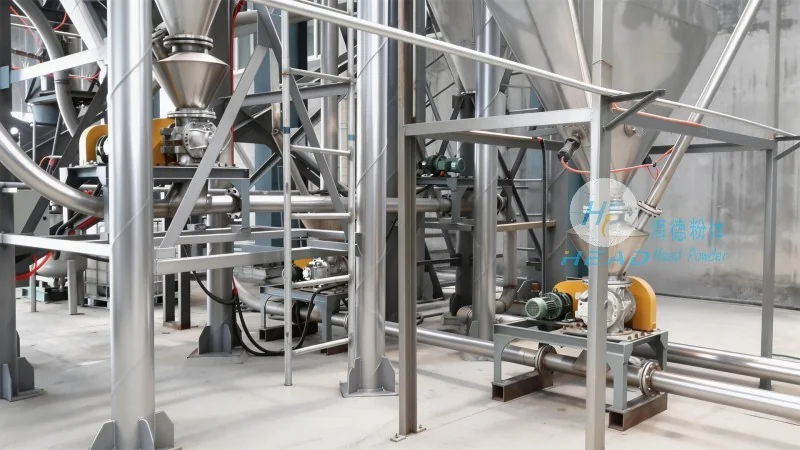
Implementing a pneumatic conveying system for chili powder offers several advantages over traditional mechanical conveying methods. One of the primary benefits is the reduction in product contamination. Since the material is transported in a closed system, there is no exposure to external elements or contaminants, which is essential for maintaining the quality and safety of the final product. Additionally, the system minimizes product degradation by reducing friction and impact during transport. Chili powder is a delicate material that can easily clump or lose its texture if handled improperly, and pneumatic conveying addresses these issues effectively. Another advantage is the improved efficiency and speed of material transport. The system can handle large volumes of chili powder quickly and reliably, reducing downtime and increasing overall productivity. Furthermore, the closed system design enhances safety by preventing dust emissions, which is a significant concern in handling fine powders like chili powder. This not only protects the environment but also ensures a safer working environment for personnel.
Applications in Chili Powder Processing
Pneumatic conveying systems are widely used in various stages of chili powder processing, from raw material handling to final packaging. In the raw material stage, the system can be used to transport chili powder from storage silos or bulk containers to processing facilities. This ensures a continuous and uninterrupted supply of raw material, which is critical for maintaining production schedules. During the processing stage, the system can transport chili powder to mixing or grinding equipment, where it is combined with other ingredients to create different products, such as chili flakes, chili powder, or chili oil. The system can also transport the processed chili powder to packaging lines, where it is filled into containers for distribution. The flexibility of the pneumatic conveying system allows it to be integrated into existing processing lines or used as a standalone solution, depending on the specific needs of the facility.
Maintenance and Operational Considerations
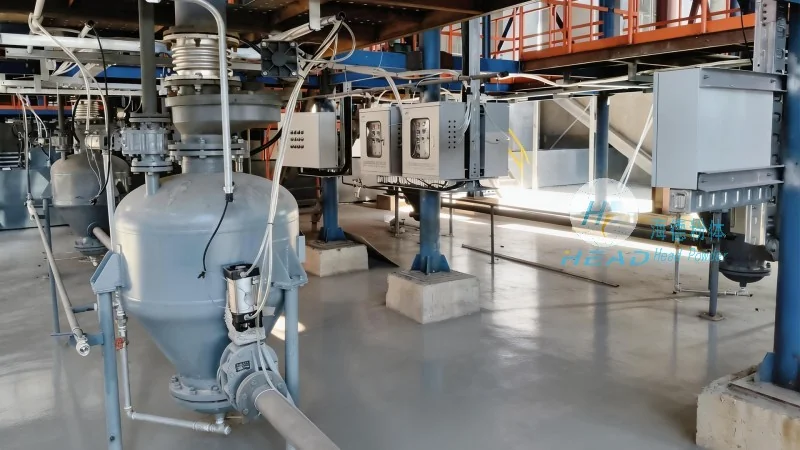
To ensure the long-term performance and reliability of a pneumatic conveying system for chili powder, regular maintenance and proper operational practices are essential. The system components, such as the hopper, conveyor line, and pump, should be inspected regularly for signs of wear or damage. The hopper and receiver should be cleaned periodically to prevent the buildup of product residue, which can affect the system's efficiency and product quality. The pump and other moving parts should be lubricated as per the manufacturer's recommendations to prevent wear and tear. Additionally, the system should be operated within the recommended pressure and flow rates to avoid overloading or damaging the components. Proper training of personnel on the operation and maintenance of the system is also crucial to ensure safe and efficient operation. By following these maintenance and operational guidelines, the system can provide consistent performance and extend its service life, delivering reliable and high-quality results for chili powder handling.