

[Gypsum Powder Pneumatic Conveying: Introduction to Structure and Principle]
Gypsum powder, a widely used industrial material, often requires efficient and reliable transport systems for various applications. Pneumatic conveying is a key technology in this context, offering a solution that combines the advantages of material handling with the benefits of air-based transport. This article provides an overview of the pneumatic conveying system for gypsum powder, focusing on its structural components and operational principles.
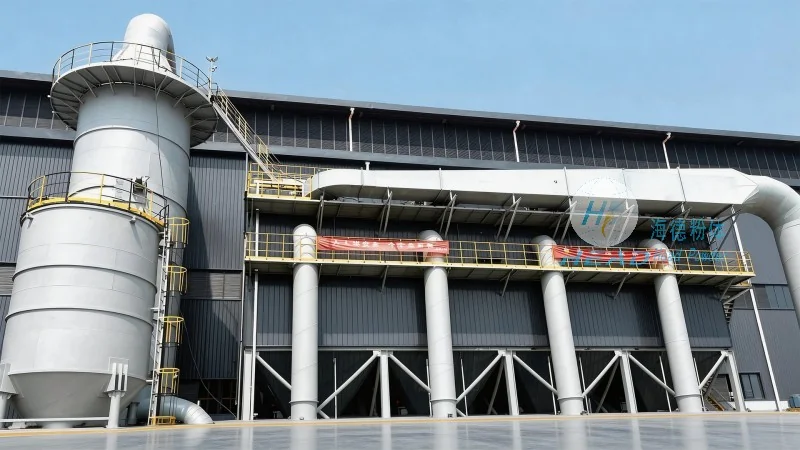
Key Structural Components of the Pneumatic Conveying System
The pneumatic conveying system for gypsum powder typically consists of several essential components that work in tandem to ensure effective material transport. These components include the material feed hopper, the air supply system (such as a blower or compressor), the conveying pipeline, and the receiving hopper or silo. Each component plays a critical role in the overall functionality of the system.
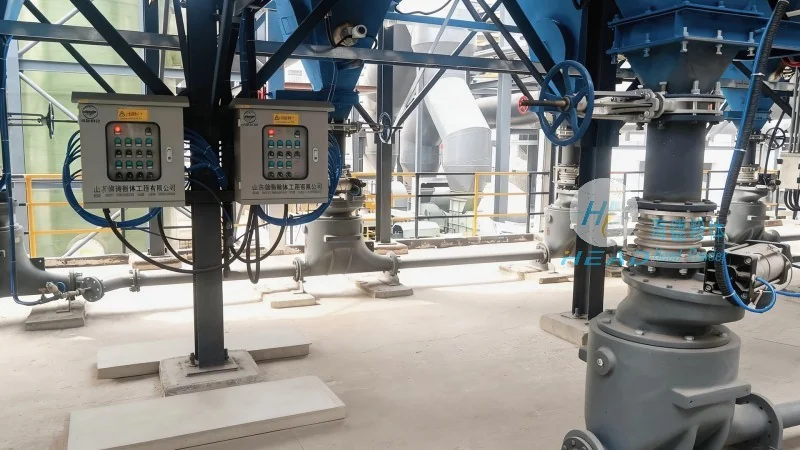
The material feed hopper is designed to store and feed the gypsum powder into the conveying line. It often features a hopper with a controlled discharge mechanism, such as a rotary valve or a slide gate, to regulate the flow of material. This ensures a consistent and controlled feed rate, which is crucial for maintaining the efficiency of the pneumatic conveying process.
The air supply system is responsible for generating the necessary air pressure and flow to move the gypsum powder through the pipeline. Commonly, this involves a positive displacement blower or a rotary lobe compressor, which can provide the required air volume and pressure to overcome the resistance in the conveying line. The air supply is typically connected to the material feed hopper and the conveying pipeline, ensuring a continuous flow of air that propels the powder.
The conveying pipeline is the core of the system, where the gypsum powder is transported. It is usually made of materials like stainless steel or PVC, chosen for their durability and resistance to corrosion from the gypsum powder. The pipeline design includes bends, elbows, and straight sections, which are strategically placed to guide the material along the desired path. The diameter and length of the pipeline are critical factors that affect the conveying efficiency and pressure drop.
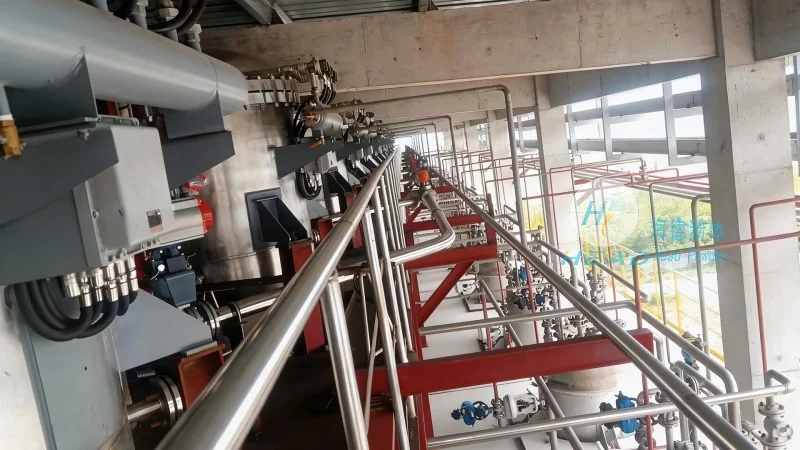
The receiving hopper or silo is where the gypsum powder is deposited after being conveyed. It is designed to collect the material and may include features like a discharge valve or a rotary valve to control the outflow. The receiving hopper is often equipped with a level indicator to monitor the material level, ensuring proper storage and handling.
Operational Principles of the Pneumatic Conveying Process
The pneumatic conveying process for gypsum powder operates on the principle of air flow and particle suspension. When the air is introduced into the material feed hopper, it creates a low-pressure zone that draws the gypsum powder into the conveying pipeline. The air then carries the powder particles through the pipeline, maintaining them in a suspended state. This suspension is achieved by maintaining a sufficient air velocity, which is higher than the terminal velocity of the powder particles, ensuring they do not settle or deposit within the pipeline.
The pressure drop along the conveying pipeline is a key factor in the operational efficiency. It is influenced by the pipeline length, diameter, and the characteristics of the gypsum powder, such as particle size, density, and moisture content. Proper design of the pipeline and the air supply system helps minimize the pressure drop, reducing energy consumption and ensuring smooth material transport.
The system operates in either positive or negative pressure modes. In positive pressure conveying, the air is pressurized and forced through the pipeline, pushing the powder forward. In negative pressure conveying, the system operates under a vacuum, drawing the powder into the pipeline. The choice between these modes depends on factors like the distance to be covered, the material characteristics, and the system layout.
The efficiency of the pneumatic conveying system is also affected by the flow rate of the air and the feed rate of the gypsum powder. An optimal balance between these parameters is essential to avoid issues like blockages, excessive pressure drop, or inefficient material transport. The system may include control mechanisms, such as variable speed drives for the blower or feeders, to adjust the flow rates and maintain the desired operating conditions.
Applications and Benefits of Gypsum Powder Pneumatic Conveying
Gypsum powder is used in various industries, including construction, pharmaceuticals, and agriculture. The pneumatic conveying system is particularly suitable for these applications due to its ability to handle fine powders and transport them over long distances without the need for mechanical components that could cause contamination or wear. The system offers several benefits, including reduced material handling time, improved safety by eliminating manual handling, and increased efficiency compared to traditional methods like bucket elevators or belt conveyors.
In the construction industry, for example, gypsum powder is used in the production of drywall and plaster. The pneumatic conveying system allows for the efficient transport of these materials from storage to production lines, ensuring a consistent supply and reducing downtime. In pharmaceutical applications, the system helps maintain the purity and quality of the gypsum powder by minimizing contact with external contaminants and reducing the risk of cross-contamination.
The benefits of the pneumatic conveying system extend to environmental considerations as well. By using air as the transport medium, the system reduces the need for water or other liquids, which can be beneficial in applications where water usage is restricted or where the powder is sensitive to moisture. Additionally, the system can be designed to be more energy-efficient compared to other transport methods, contributing to lower operational costs and reduced environmental impact.
Conclusion
Gypsum powder pneumatic conveying is a sophisticated and efficient method for transporting fine materials. The system's structural components and operational principles work together to provide a reliable and effective solution for various industrial applications. By understanding the key elements of the system and optimizing its operation, industries can improve their material handling processes, enhance productivity, and reduce costs. As a result, pneumatic conveying remains a preferred choice for handling gypsum powder in many sectors, offering a balance of efficiency, safety, and environmental responsibility.