

Introduction to Chloroprene Rubber Pneumatic Conveying: Structure and Working Principles
Chloroprene rubber, also known as neoprene, is a synthetic polymer widely used in industrial applications due to its excellent resistance to oil, chemicals, and weathering. Pneumatic conveying systems for chloroprene rubber are engineered to efficiently transport this material from storage to processing units, ensuring minimal degradation and optimal handling. This overview provides a detailed look at the structural components and operational principles of such systems.
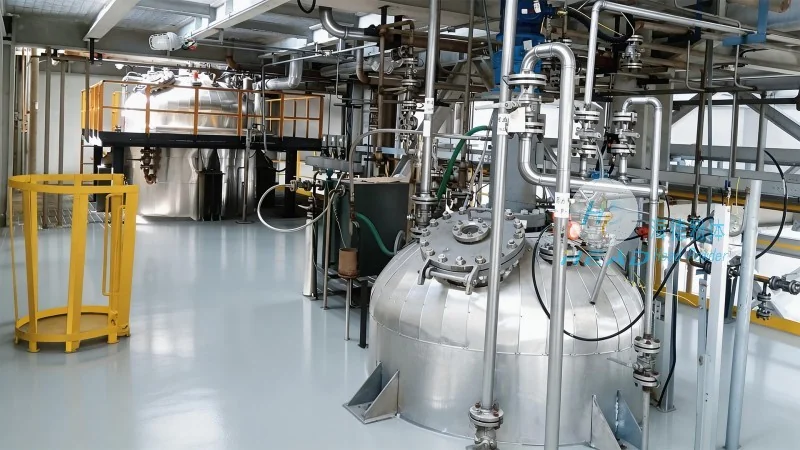
Key Structural Components of Pneumatic Conveying Systems
The core structure of a chloroprene rubber pneumatic conveying system typically includes several critical components. The storage hopper or silo is the initial point where the rubber is held, equipped with a discharge valve to control material flow. A rotary airlock or feeder is often installed at the hopper outlet to regulate the feed rate and prevent backflow. The conveying pipeline, usually made of materials resistant to the rubber's properties, transports the material under pressure. A series of in-line devices such as cyclones or filters may be integrated to separate any fines or contaminants. The system concludes with a receiving hopper or processing unit where the rubber is deposited for further use. Each component is designed to work in harmony, ensuring smooth and efficient material transfer.
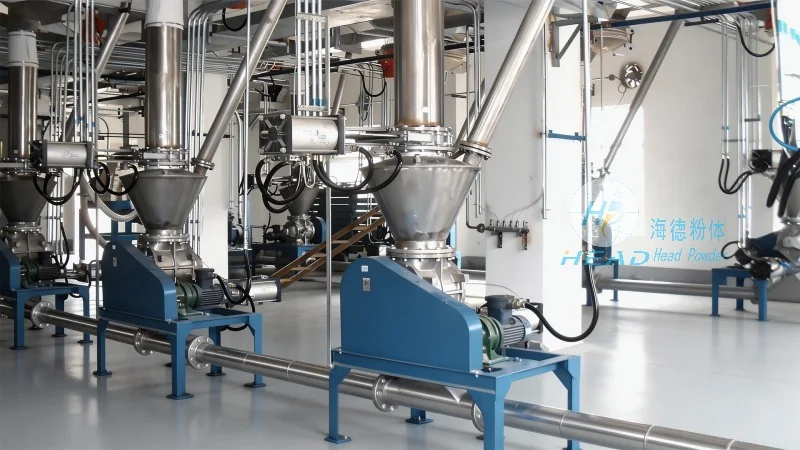
Working Principles of Pneumatic Conveying
Pneumatic conveying operates by using compressed air to move the material through the pipeline. In a typical positive displacement system, a blower or compressor generates the necessary air pressure, which is then directed into the conveying line. The chloroprene rubber particles are introduced into the air stream at the hopper, creating a slurry of material and air. As the air flows through the pipeline, it propels the rubber particles forward. The velocity and pressure of the air are carefully controlled to maintain the material in a suspended state, preventing clogging and ensuring consistent transport. The system may use either a closed-loop or open-loop configuration, depending on the application requirements. The receiving end of the system typically includes a venturi or diffuser to reduce air velocity and allow the rubber to settle out, while the air is either recirculated or discharged to the atmosphere.
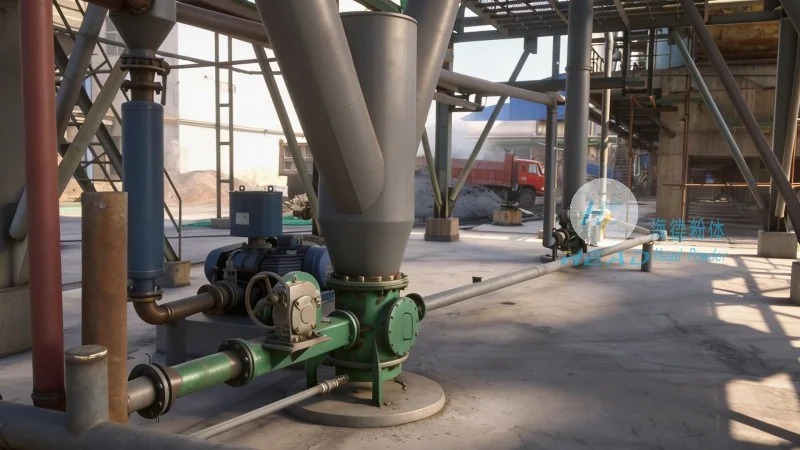
Advantages of Chloroprene Rubber Pneumatic Conveying
Implementing a pneumatic conveying system for chloroprene rubber offers several advantages over traditional mechanical methods. The primary benefit is the reduction in material handling time and labor costs, as the system automates the transport process. Additionally, pneumatic conveying minimizes product contamination and degradation, which is crucial for a material like chloroprene rubber that is sensitive to environmental factors. The enclosed system also improves workplace safety by containing dust and preventing exposure to airborne particles. Furthermore, the flexibility of pneumatic systems allows for easy integration with existing processing lines, adapting to various production scales and layouts. These advantages make pneumatic conveying a preferred choice for industries dealing with chloroprene rubber.
Applications in Industrial Settings
Chloroprene rubber pneumatic conveying systems are widely utilized in various industrial sectors. In the tire manufacturing industry, these systems efficiently transport raw rubber to mixing and extrusion units. The automotive and aerospace industries also rely on such systems for transporting rubber components used in seals, gaskets, and other parts. The chemical and pharmaceutical industries benefit from the system's ability to handle rubber materials that may come into contact with other substances, ensuring purity and consistency. Each application requires tailored system design, considering factors such as material properties, processing requirements, and environmental regulations. The adaptability of pneumatic conveying makes it suitable for diverse industrial needs.
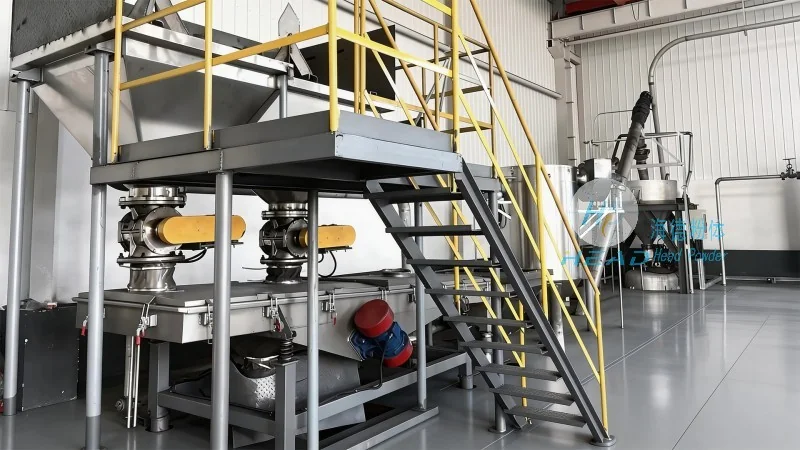
Maintenance and Operational Considerations
Proper maintenance is essential to ensure the longevity and efficiency of chloroprene rubber pneumatic conveying systems. Regular inspection of components such as the blower, airlocks, and pipelines is necessary to detect and address any wear or damage. Cleaning the system, especially the cyclones and filters, is critical to prevent clogging and maintain optimal performance. The air pressure and flow rates must be monitored and adjusted as needed to avoid excessive energy consumption or material degradation. Training operators on the proper operation and maintenance procedures is also vital for system reliability. By adhering to these considerations, industries can maximize the lifespan of their conveying systems and minimize downtime.