

Operation Process and Working Principle of Pneumatic Conveying Equipment for Ceramic Powder Material
HeadPowder, a leading manufacturer based in Shandong, China, specializes in the design and production of advanced pneumatic conveying systems tailored for handling ceramic powder materials. These systems are engineered to efficiently transport fine powders like ceramic powders with precision and reliability, addressing the unique challenges associated with such materials in industrial applications.
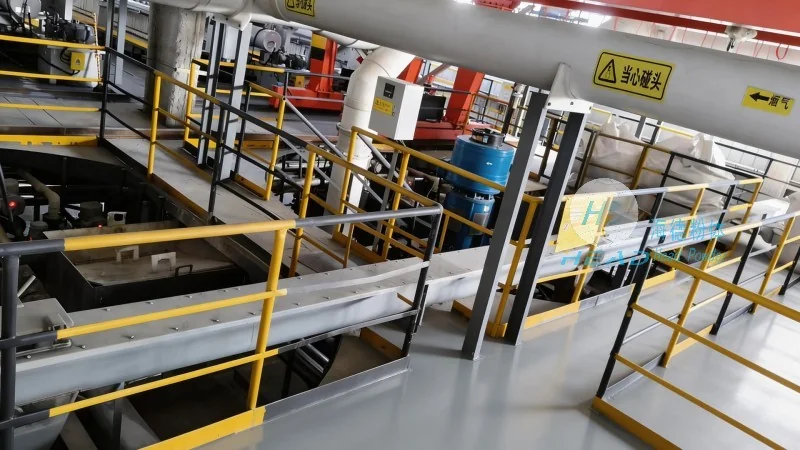
Working Principle of Pneumatic Conveying Systems
The core of pneumatic conveying equipment lies in its ability to use compressed air or gas to transport bulk materials through a pipeline. For ceramic powder applications, the system typically operates by creating a pressure differential between the inlet and outlet. A blower or compressor generates the necessary airflow, which draws the ceramic powder from the hopper or storage container into the conveying line. The powder is then suspended in the air stream and propelled through the pipeline to the destination point, such as a processing unit or storage silo. This method eliminates the need for mechanical components like belts or screws, reducing maintenance and wear on the system.
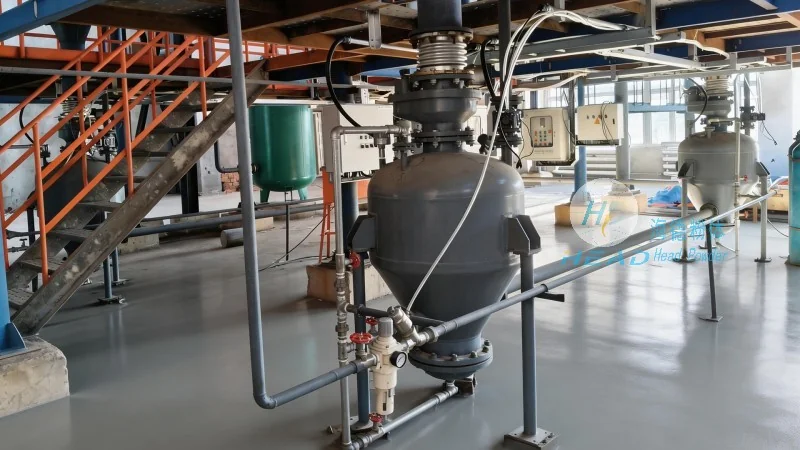
Key Components and Their Functions
Several critical components work in tandem to ensure the smooth operation of the pneumatic conveying system. The hopper or feeder is responsible for storing and feeding the ceramic powder into the system, maintaining a consistent flow rate. The air compressor or blower provides the necessary pressure and airflow to move the material. The pipeline network, often made of stainless steel or other corrosion-resistant materials, transports the powder and air mixture. A filter or separator is used to separate the powder from the air at the discharge point, preventing dust contamination and ensuring the material is delivered in a clean state. Additionally, control valves and sensors are integrated to monitor and regulate the system's performance, ensuring optimal operation under varying load conditions.
Operation Process: From Loading to Discharge
The operation process of the pneumatic conveying equipment for ceramic powders begins with the loading of the material into the hopper. The system then activates the air compressor, which starts generating the airflow. As the pressure builds, the ceramic powder is drawn from the hopper and enters the conveying line. The powder is suspended in the air stream and travels through the pipeline to the discharge point. At the destination, a separator or filter captures the powder, while the air is either vented or recycled back into the system. This continuous process allows for efficient and uninterrupted material transport, minimizing downtime and maximizing productivity in industrial settings.
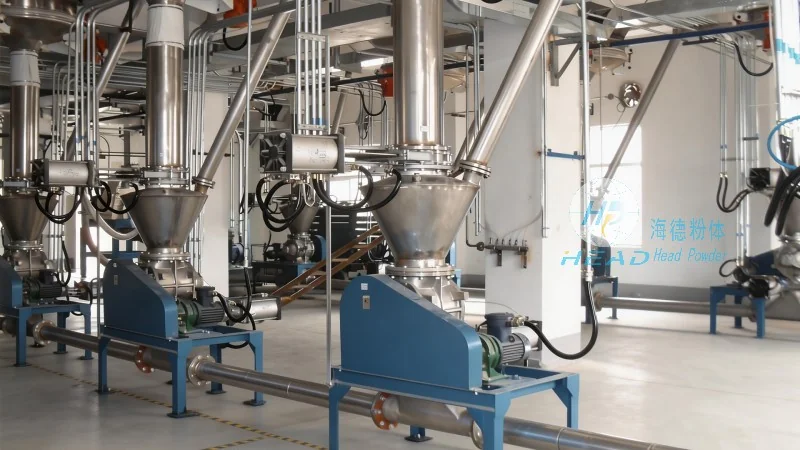
Advantages of Pneumatic Conveying for Ceramic Powders
Compared to traditional mechanical conveying methods, pneumatic systems offer several advantages when handling ceramic powders. First, they provide a dust-free environment, which is crucial for maintaining product quality and ensuring workplace safety. The enclosed system prevents dust emissions, reducing the risk of contamination and health hazards. Second, the absence of mechanical parts reduces maintenance requirements and extends the equipment's lifespan. Ceramic powders can be abrasive, and mechanical components like screws or belts may wear out quickly, leading to increased downtime and repair costs. Pneumatic systems, however, rely on air flow, which minimizes wear and tear. Third, the system's flexibility allows for easy integration with existing production lines. The pipeline can be configured to serve multiple destinations, enabling efficient material distribution across a facility. Additionally, the system can handle varying particle sizes and flow rates, making it suitable for diverse ceramic powder applications.