

Operating Process and Working Principle of Aluminum Nitride Material Pneumatic Conveying Equipment
Aluminum nitride (AlN) is a high-performance ceramic material widely used in semiconductor manufacturing, electronics, and other advanced industries due to its excellent thermal conductivity, electrical insulation properties, and chemical stability. The efficient handling and transportation of AlN powder and granules are critical for maintaining product quality and operational efficiency in production lines. Pneumatic conveying equipment offers a reliable solution for this purpose, ensuring safe, dust-free, and continuous material transport. This article provides an in-depth look at the operating process and working principle of a typical aluminum nitride material pneumatic conveying system, along with an overview of the manufacturer, Shandong HeadPowder Engineering Co., Ltd.
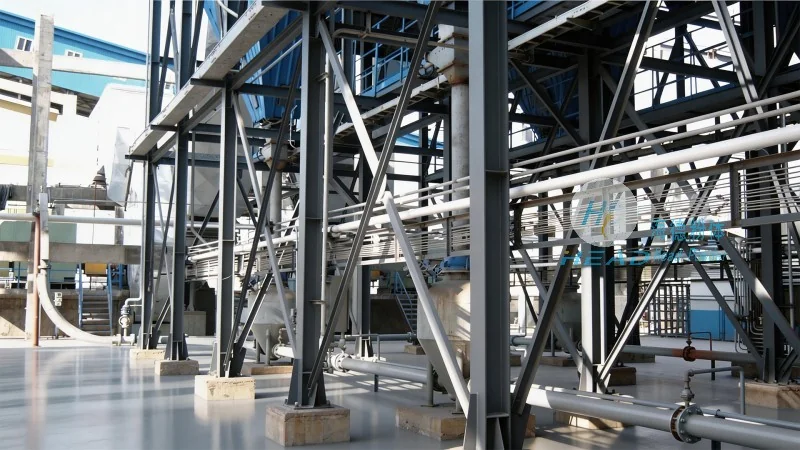
Company Overview
Shandong HeadPowder Engineering Co., Ltd., commonly known as HeadPowder, is a leading provider of engineering solutions for powder handling and material transport systems. With a focus on innovation and precision, the company specializes in designing and manufacturing pneumatic conveying equipment tailored to the unique needs of various industries, including the semiconductor and electronics sectors. HeadPowder's expertise lies in developing systems that ensure optimal performance, minimal product degradation, and compliance with industry standards. The company is headquartered in Shandong, China, and serves clients globally with customized solutions for their material handling challenges.
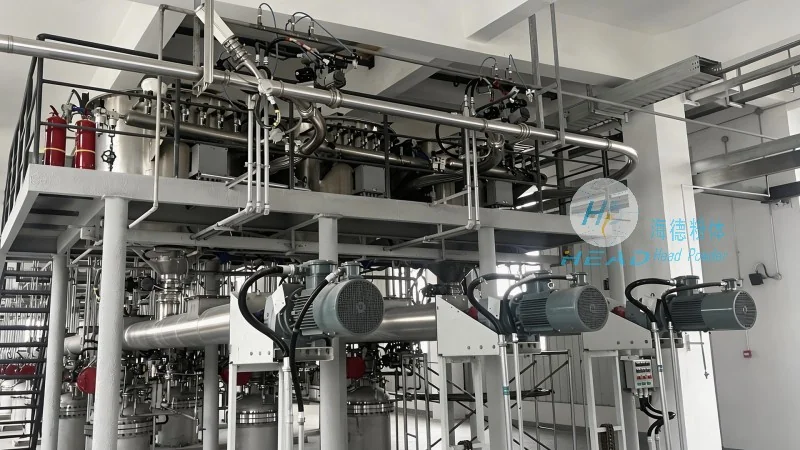
Operating Process of the Pneumatic Conveying System
The operation of an aluminum nitride material pneumatic conveying system involves several key steps that ensure smooth and efficient material transport. The process typically begins with the loading of AlN material into a hopper or storage silo. From there, the material is drawn into the conveying line by a vacuum or pressure source, depending on the system configuration. The conveying line is equipped with components such as feeders, filters, and pressure vessels to control the flow and prevent material blockages. The system uses compressed air or a vacuum to move the AlN particles through the pipeline, maintaining a consistent flow rate and preventing dust accumulation. The receiving end of the system includes a collection bin or silo where the material is deposited, completing the transport cycle. The entire process is automated and monitored to ensure consistent performance and minimal downtime.
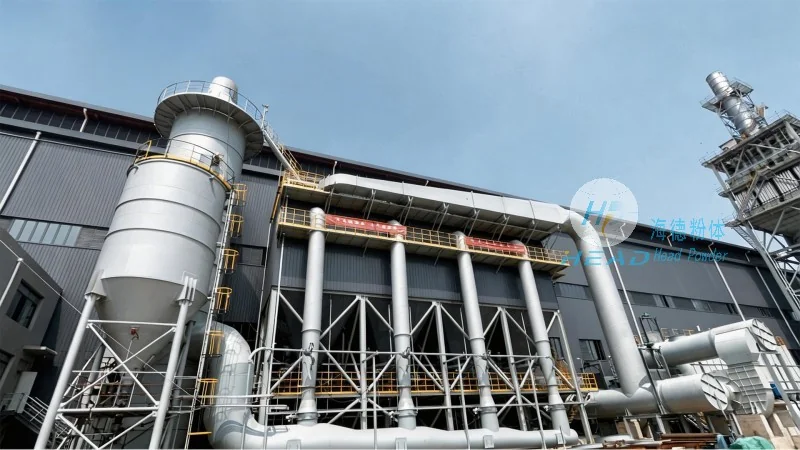
Working Principle of the Equipment
The working principle of a pneumatic conveying system for aluminum nitride material relies on the principles of fluid dynamics and particle transport. The system can operate in either pressure or vacuum mode. In pressure mode, compressed air is introduced into the conveying line, creating a pressure differential that propels the AlN particles forward. The air velocity is carefully controlled to ensure that the particles are carried without causing excessive wear or degradation. In vacuum mode, a vacuum pump creates a negative pressure that draws the material from the source into the conveying line. The air flow rate is adjusted to maintain a stable flow, preventing the material from settling or clogging the pipeline. The system also incorporates filtration and separation components to remove any fine particles or contaminants from the air stream, ensuring that the AlN material remains pure and free from impurities. This combination of pressure control, air flow management, and filtration ensures that the pneumatic conveying equipment operates efficiently and reliably, delivering high-quality AlN material to the intended destination.
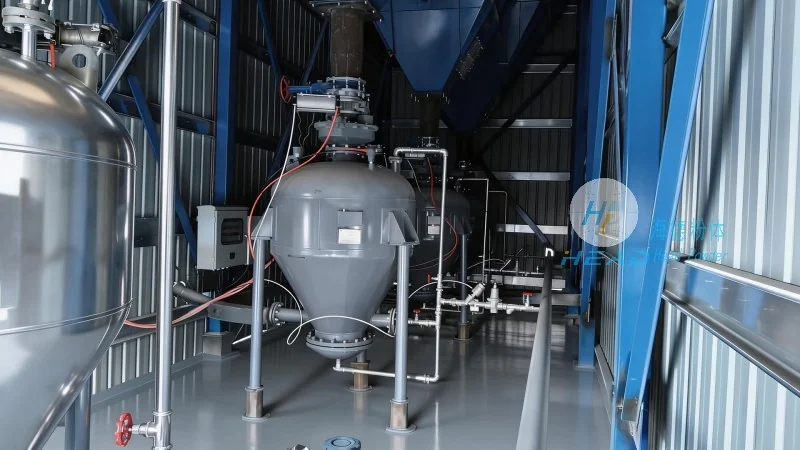
Key Features and Technical Specifications
HeadPowder's aluminum nitride material pneumatic conveying equipment is designed with several key features that enhance its performance and reliability. The system includes a robust hopper with a discharge valve to control material flow, preventing overfilling and ensuring consistent feed rates. The conveying line is constructed from materials resistant to corrosion and wear, such as stainless steel or special alloys, to withstand the abrasive nature of AlN particles. The system is equipped with advanced control systems that monitor pressure, flow rate, and temperature, providing real-time feedback and automatic adjustments to maintain optimal operation. The equipment also includes safety features such as pressure relief valves and dust collection systems to ensure compliance with occupational health and safety regulations. Technical specifications of the system typically include a conveying capacity ranging from 1 to 50 tons per hour, depending on the system size and configuration. The air flow rate is adjustable to accommodate different particle sizes and material densities, ensuring flexibility in handling various AlN products. The system's efficiency and low maintenance requirements make it a cost-effective solution for long-term material transport in industrial applications.