

Operation Process and Working Principle of Dust Collection Material Pneumatic Conveying Equipment
HeadPowder, a leading manufacturer based in Shandong, China, specializes in the design, production, and installation of advanced pneumatic conveying systems for handling dust collection materials. This article provides a detailed overview of the operation process and working principles of such equipment, highlighting the key components, operational steps, and technical aspects that ensure efficient material transport.
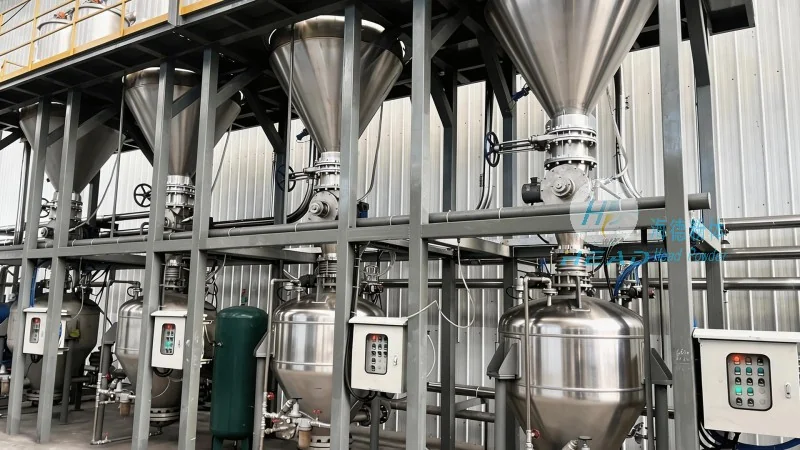
Overview of Pneumatic Conveying Systems for Dust Collection Materials
Pneumatic conveying systems are widely used in industrial applications to transport bulk materials, including dust and fine particles, from one location to another. These systems utilize compressed air or gas to move materials through a pipeline network, eliminating the need for mechanical components like belts or buckets. The primary advantage of pneumatic conveying is its ability to handle materials that are difficult to transport using traditional methods, such as those with high moisture content, abrasive properties, or the potential for dust explosions.
Key Components of Pneumatic Conveying Equipment
The core components of a pneumatic conveying system for dust collection materials typically include a dust collector, a material hopper, a rotary valve, a conveyor pipeline, a pressure vessel or receiver, and a control system. Each component plays a critical role in the overall operation of the system:
1. Dust Collector: This is the initial stage where air and dust are separated. The dust is collected and stored in a hopper, while the cleaned air is discharged back into the environment or recirculated. The efficiency of the dust collector directly impacts the performance of the conveying system, as it ensures that only clean air is used for material transport.
2. Material Hopper: The collected dust is stored in a hopper, which is connected to the rotary valve. The hopper is designed to hold a sufficient quantity of material to maintain consistent flow rates during operation. The design of the hopper, including its shape and size, is crucial for preventing material bridging or clogging.
3. Rotary Valve: This component acts as a gate or feeder, controlling the flow of material from the hopper into the conveyor pipeline. The rotary valve is typically equipped with a motor-driven mechanism that rotates to open and close the inlet port, allowing precise control over the material discharge rate. This ensures that the conveying system operates at the desired flow rate without overloading the pipeline.
4. Conveyor Pipeline: The pipeline is the main pathway for transporting the material. It is usually made of stainless steel or other corrosion-resistant materials to withstand the abrasive nature of dust particles. The pipeline is designed with appropriate bends and elbows to guide the material through the system while minimizing pressure losses and ensuring smooth flow.
5. Pressure Vessel or Receiver: The pressure vessel or receiver is where the material is deposited at the end of the conveying line. It is equipped with a discharge valve that allows the material to be released into a storage bin or processing unit. The receiver is also designed to maintain the pressure within the system, preventing air leakage and ensuring consistent material flow.
6. Control System: The control system monitors and regulates the operation of the entire pneumatic conveying system. It includes sensors to measure pressure, flow rate, and material level, as well as controllers to adjust the speed of the rotary valve and the pressure of the air supply. The control system ensures that the system operates safely and efficiently, preventing overpressure or underflow conditions.
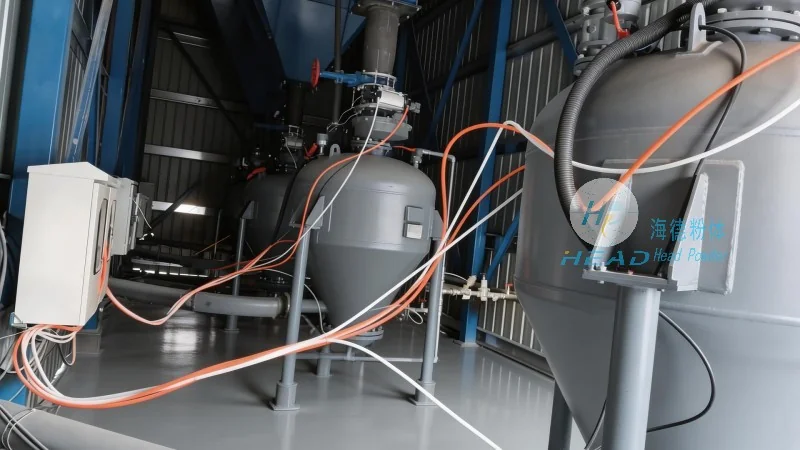
Operation Process of Pneumatic Conveying Equipment
The operation of a pneumatic conveying system for dust collection materials involves several sequential steps, each coordinated by the control system to ensure smooth and continuous material transport:
1. Air Preparation: Compressed air is supplied to the system from an air compressor. The air is filtered and dried to remove moisture and contaminants, which could affect the performance of the conveying system or damage the equipment. The air pressure is typically maintained at a level of 4-8 bar, depending on the material being conveyed and the system design.
2. Dust Collection: The dust is collected from the process equipment and transferred to the dust collector. The dust collector uses a combination of filtration and gravity to separate the dust from the air. The collected dust falls into the material hopper, while the clean air is discharged.
3. Material Feeding: The rotary valve opens to allow a controlled amount of dust to enter the conveyor pipeline. The material is then mixed with the compressed air, creating a slurry or suspension that is propelled through the pipeline.
4. Pipeline Transport: The air-dust mixture travels through the conveyor pipeline at high velocity, typically ranging from 15 to 30 meters per second. The pressure in the pipeline is maintained by the pressure vessel or receiver, ensuring that the mixture continues to move forward without backflow.
5. Material Deposition: At the end of the conveying line, the material is deposited into the pressure vessel or receiver. The air is separated from the material using a cyclone or other separation device, and the clean air is recirculated back to the system. The material is then discharged from the receiver into a storage bin or processing unit.
6. System Monitoring and Control: The control system continuously monitors the pressure, flow rate, and material level in the system. If any parameter deviates from the set points, the system automatically adjusts the rotary valve speed or air pressure to maintain optimal operation. This ensures that the system operates efficiently and safely, minimizing downtime and maximizing material throughput.
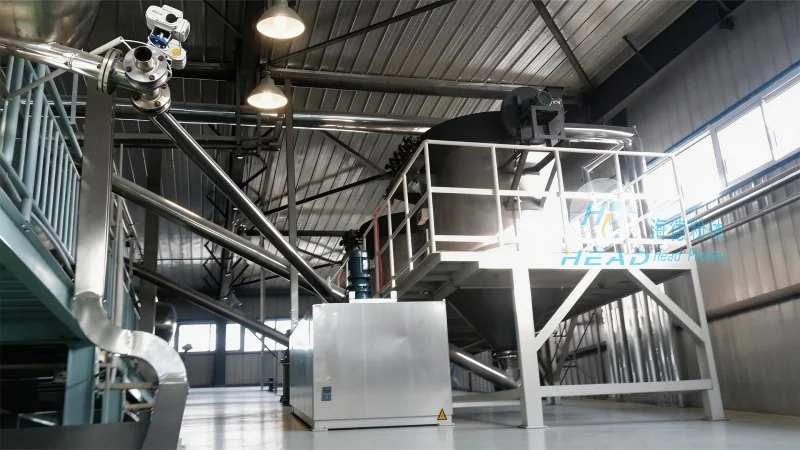
Working Principle of Pneumatic Conveying
The working principle of pneumatic conveying is based on the principle of fluidization and momentum transfer. When compressed air is introduced into the material hopper, it creates a low-pressure zone that draws the material into the pipeline. The air and material mixture then travels through the pipeline, where the air provides the necessary momentum to move the material forward. The pressure in the pipeline is maintained by the pressure vessel or receiver, which acts as a reservoir to store the air-dust mixture and prevent backflow.
The efficiency of the pneumatic conveying system depends on several factors, including the air velocity, pressure, and material properties. The air velocity must be high enough to overcome the friction losses in the pipeline and the weight of the material, but not so high as to cause excessive wear on the equipment or damage to the material. The pressure in the system must be sufficient to maintain the flow of material, but not so high as to cause overpressure or safety hazards.
Advantages of Pneumatic Conveying Systems
Pneumatic conveying systems for dust collection materials offer several advantages over traditional mechanical conveying methods. These include:
1. Continuous Operation: The system can operate continuously without the need for manual intervention, reducing labor costs and increasing productivity.
2. Low Maintenance: The absence of moving parts in the pipeline reduces the risk of wear and tear, resulting in lower maintenance costs and longer equipment life.
3. Flexibility: The system can be easily modified or expanded to accommodate changes in material flow rates or process requirements.
4. Safety: The system is designed to handle potentially hazardous materials, such as dust that could cause explosions, by maintaining a controlled environment and preventing dust accumulation.
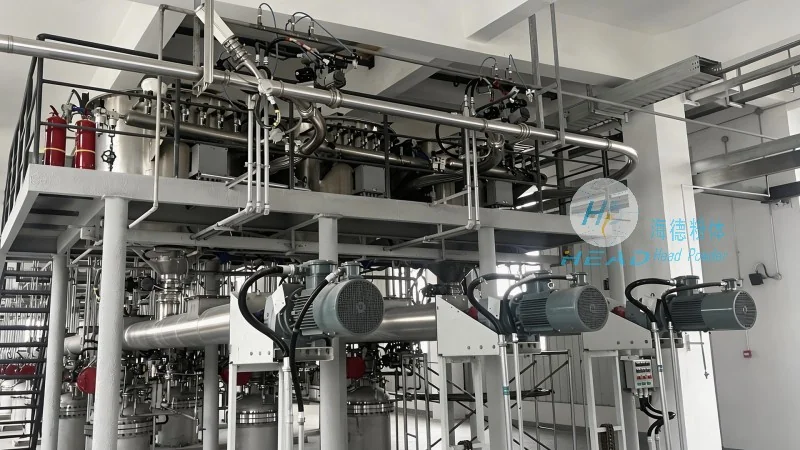
5. Environmental Benefits: The system can be integrated with dust collection equipment to minimize air pollution and comply with environmental regulations.
Applications of Pneumatic Conveying Equipment
Pneumatic conveying systems are widely used in various industries, including:
1. Power Generation: Transporting fly ash from boilers to storage silos.
2. Chemical Manufacturing: Conveying powders and granules in chemical plants.
3. Food Processing: Handling fine powders and granules in food processing facilities.
4. Pharmaceutical Industry: Transporting raw materials and finished products in pharmaceutical manufacturing.
5. Mineral Processing: Conveying ore and tailings in mining operations.
Conclusion
HeadPowder's pneumatic conveying equipment for dust collection materials is designed to provide efficient, reliable, and safe material transport solutions for industrial applications. By understanding the operation process and working principles of such equipment, users can optimize their systems for maximum performance and minimize operational costs. With its advanced design and robust construction, HeadPowder's equipment is a trusted choice for industries requiring high-quality pneumatic conveying solutions.