

Operation Process and Working Principle of Pneumatic Conveying Equipment for Wood Powder Materials
Shandong HeadPowder Engineering Co., Ltd. specializes in the design, manufacturing, and installation of advanced pneumatic conveying systems tailored for handling wood powder materials. These systems are engineered to efficiently transport bulk wood powder from storage silos, processing units, or production lines to various destinations within a facility, ensuring smooth material flow and operational efficiency. The core technology behind these systems involves the use of compressed air or other gases to move the material through a network of pipes, making them an ideal solution for industries such as woodworking, paper manufacturing, and biomass energy production.
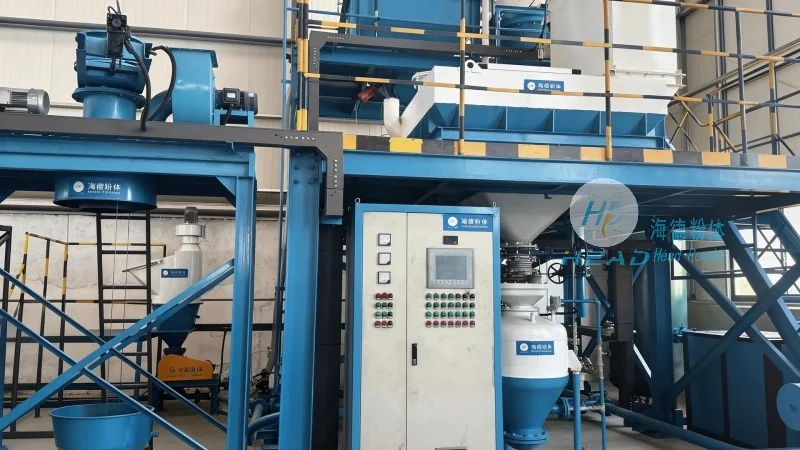
Key Components and Their Functions
The pneumatic conveying equipment for wood powder typically consists of several critical components, each playing a vital role in the overall system performance. The main components include the material hopper or feeder, which holds the wood powder and controls the flow rate; the air supply system, which generates the necessary pressure and volume of air to transport the material; the conveying pipeline, which serves as the pathway for both the material and air; and the discharge device, which releases the wood powder at the destination point. Additionally, the system may incorporate accessories like filters, silencers, and pressure regulators to ensure safe and efficient operation.
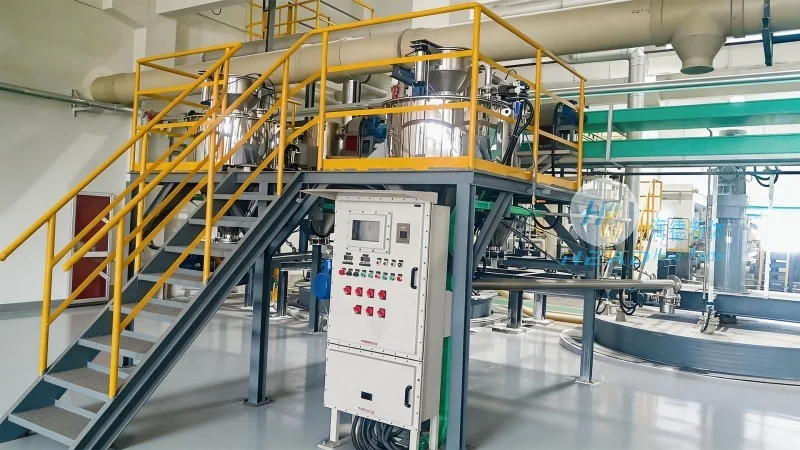
Working Principle of the Pneumatic Conveying Process
The operation of a wood powder pneumatic conveying system follows a systematic process. Initially, the wood powder is fed into the material hopper from a storage silo or processing unit. The feeder then regulates the flow of the material into the conveying pipeline. Simultaneously, the air supply system generates compressed air, which is introduced into the pipeline at a specific pressure and flow rate. The compressed air creates a pressure differential that propels the wood powder particles through the pipeline. As the air and material mixture travels, the wood powder is suspended and transported to the discharge point. The system may use different conveying modes, such as dilute phase or dense phase, depending on the material characteristics and application requirements. In dilute phase conveying, the material is dispersed in the air stream, while in dense phase conveying, the material is carried in a more concentrated form, often with higher pressure and lower air velocity.
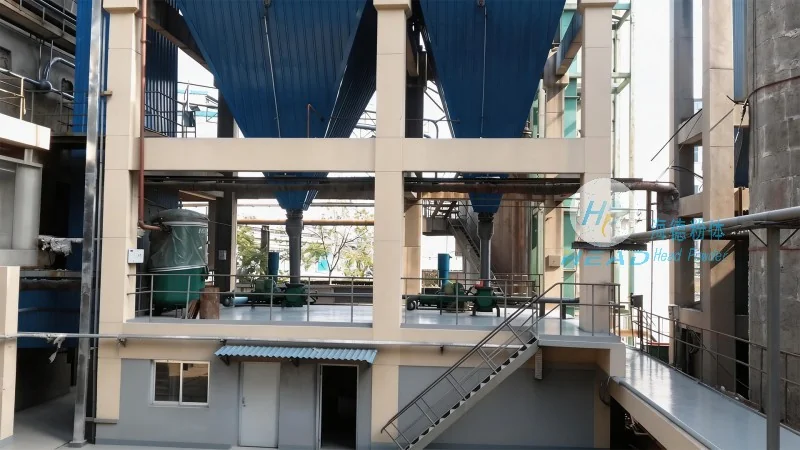
Operation Process: Step-by-Step Overview
The entire operation of the pneumatic conveying equipment for wood powder can be broken down into several key steps. First, the system is started by activating the air supply and ensuring the material hopper is filled with wood powder. The feeder then begins to release the material at a controlled rate. The compressed air is then introduced into the pipeline, creating the necessary pressure to transport the wood powder. As the material moves through the pipeline, it is continuously monitored for flow rate and pressure. At the destination point, the discharge device opens, allowing the wood powder to be released into the receiving container or processing unit. The system may also include a feedback mechanism to adjust the air flow or material feed rate based on real-time conditions, ensuring optimal performance and preventing blockages or overloading.
Advantages of Using Pneumatic Conveying for Wood Powder
Implementing a pneumatic conveying system for wood powder offers numerous advantages over traditional methods like belt conveyors or manual handling. Firstly, these systems provide a dust-free and clean operation, which is crucial for maintaining a safe and healthy working environment, especially in industries where wood dust can be a respiratory hazard. Secondly, the equipment is highly efficient in terms of energy consumption and material handling speed, reducing labor costs and increasing overall productivity. Thirdly, the system is flexible and can be easily integrated with existing production lines, allowing for seamless material transfer between different stages of the process. Additionally, pneumatic conveying systems are less prone to material degradation compared to other methods, as the material is not subjected to excessive friction or impact during transport.
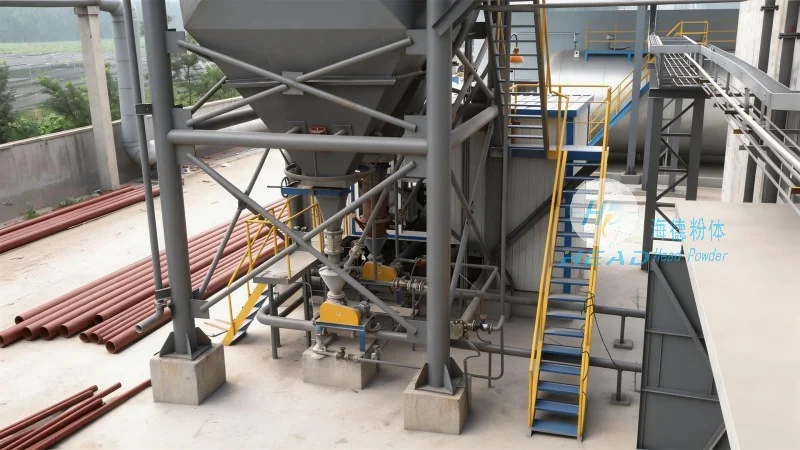
Applications and Industries
The pneumatic conveying equipment for wood powder is widely used in various industries that handle wood-based materials. In the woodworking industry, these systems are employed to transport wood chips, sawdust, and other fine powders from the cutting and milling processes to storage silos or further processing units. In the paper manufacturing industry, they are used to convey wood pulp from storage to the papermaking machines. For biomass energy production, the systems are crucial for transporting wood pellets or powder from storage to the combustion or gasification units. The versatility of these systems makes them suitable for a wide range of applications, from small-scale operations to large industrial facilities.