

Operation Process and Working Principle of Borax Material Pneumatic Conveying Equipment
Borax, a widely used industrial chemical, often requires efficient and reliable material handling solutions for its processing and transportation. Pneumatic conveying equipment has emerged as a critical technology in the borax industry, offering a safe, dust-free, and automated method to transport borax materials. This article delves into the operation process and working principle of such equipment, highlighting the key components, operational steps, and the benefits it provides for borax handling.
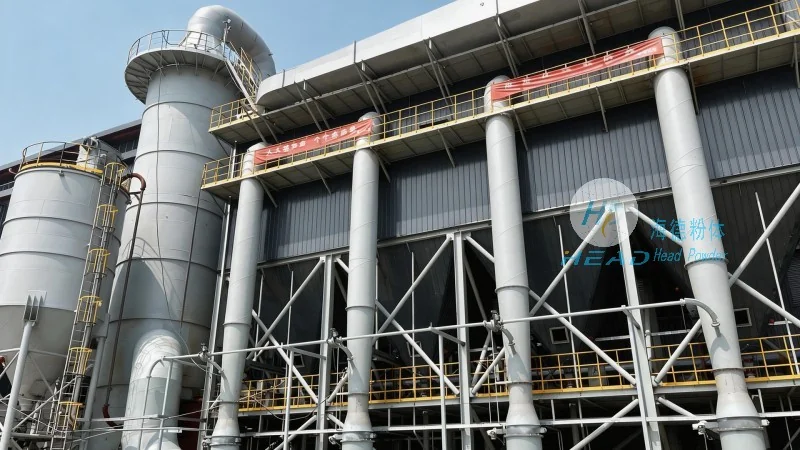
Key Components of Pneumatic Conveying Systems for Borax
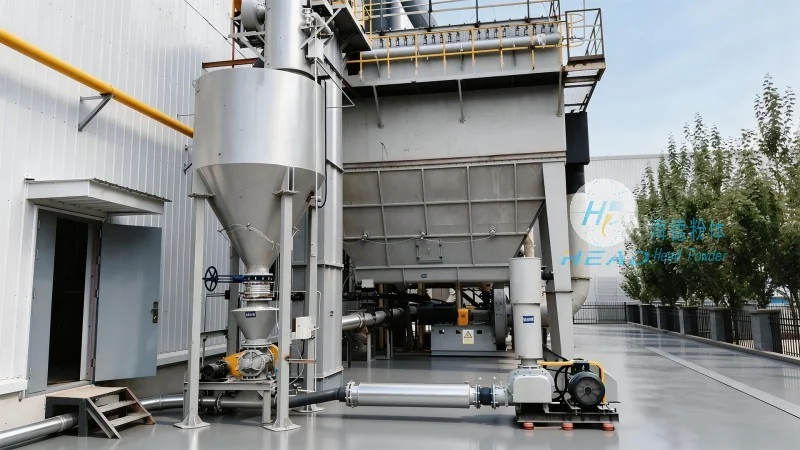
The pneumatic conveying system for borax typically consists of several essential components that work in tandem to ensure smooth material transport. These components include a material hopper or feeder, a conveying pipeline, a blower or air compressor, a control system, and a dust collection or separation unit. The material hopper is designed to store and feed the borax powder into the system, ensuring a consistent flow. The conveying pipeline, often made of corrosion-resistant materials like stainless steel or polyethylene, transports the material under pressure. The blower or air compressor generates the necessary air flow to move the borax particles through the pipeline. The control system monitors and regulates the air pressure, flow rate, and material feed rate to maintain optimal operation. Finally, the dust collection unit ensures that any airborne particles are captured and returned to the system or disposed of safely, preventing environmental contamination and maintaining product quality.
Operation Process of Borax Pneumatic Conveying Equipment
The operation of borax pneumatic conveying equipment follows a systematic process that ensures efficient material transport from the source to the destination. The process begins with the loading of borax into the material hopper. The hopper is equipped with a feeder mechanism, such as a rotary valve or a screw feeder, which controls the flow rate of the material into the conveying pipeline. Simultaneously, the blower or air compressor starts operating, generating a high-pressure air stream. The air stream is introduced into the pipeline at the inlet of the hopper, creating a negative pressure or positive pressure environment depending on the system design. As the air flows through the pipeline, it entrains the borax particles, forming a slurry or suspension that moves along the pipeline. The conveying pipeline may include bends, elbows, or expansion sections to guide the material flow and maintain consistent velocity. At the discharge end, the borax is deposited into a receiving container or storage silo. The control system continuously monitors the pressure, flow rate, and material level, adjusting the air supply and feed rate as needed to maintain stable operation. The dust collection unit operates in parallel, capturing any airborne particles that may escape from the system, ensuring that the process remains clean and efficient.
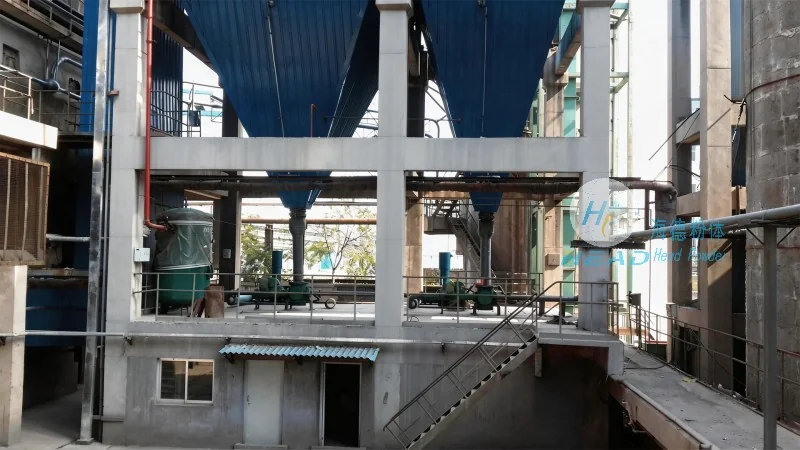
Working Principle of Pneumatic Conveying for Borax
The working principle of pneumatic conveying for borax is based on the fundamental concept of fluidization and particle transport. When air is introduced into the conveying pipeline at a sufficient velocity, it creates a fluidized state where the borax particles are suspended and carried along with the air stream. The key to effective pneumatic conveying lies in achieving the correct air velocity and pressure to ensure that the particles remain entrained without settling or clogging the pipeline. The system operates under either positive pressure or negative pressure, depending on the application. In positive pressure systems, the blower pushes air and material through the pipeline, while in negative pressure systems, the blower pulls air and material from the source. The choice of system depends on factors such as the distance to be covered, the material characteristics, and the desired level of dust control. For borax, which is a fine powder with low bulk density, positive pressure systems are often preferred as they provide better control over the material flow and reduce the risk of dust emissions. The air velocity must be high enough to overcome the gravitational forces acting on the particles but not so high as to cause excessive wear on the pipeline or equipment. The control system plays a crucial role in maintaining the optimal air velocity and pressure, ensuring that the borax particles are transported efficiently and without damage.
Benefits and Advantages of Using Pneumatic Conveying for Borax
Implementing pneumatic conveying equipment for borax handling offers numerous benefits that enhance operational efficiency and product quality. One of the primary advantages is the ability to transport borax in a dust-free environment, which improves workplace safety and reduces the risk of respiratory issues for operators. The automated nature of the system minimizes human intervention, reducing labor costs and the potential for human error. Additionally, pneumatic conveying systems can handle high volumes of material with minimal maintenance, as they have fewer moving parts compared to traditional mechanical conveyors. The system also allows for flexible routing of the conveying pipeline, enabling the integration of multiple processing stages or storage locations. Another key benefit is the improved product quality, as the dust-free environment prevents contamination and ensures that the borax remains in its original state. The system also reduces the risk of material degradation or caking, which can occur with traditional handling methods. Overall, pneumatic conveying provides a reliable and efficient solution for borax material handling, aligning with modern industrial standards for safety, productivity, and environmental responsibility.
Conclusion
In conclusion, the operation process and working principle of borax material pneumatic conveying equipment are critical to the efficient handling of this important industrial chemical. The system’s components, including the material hopper, conveying pipeline, blower, control system, and dust collection unit, work together to ensure smooth and safe transport of borax. The operation process involves loading, feeding, conveying, and discharging the material, with continuous monitoring and adjustment to maintain optimal performance. The working principle relies on fluidization and particle transport, with the system operating under positive or negative pressure to achieve efficient material movement. The benefits of using such equipment include improved safety, reduced labor costs, high material throughput, and enhanced product quality. For companies in the borax industry, investing in pneumatic conveying technology is a strategic decision that enhances operational efficiency and aligns with modern industrial practices. As the demand for borax continues to grow, the importance of reliable material handling solutions like pneumatic conveying will only increase, making it a vital component of borax processing and distribution.