

Operation Process and Working Principle of Heavy Powder Material Pneumatic Conveying Equipment
Heavy powder material pneumatic conveying equipment is a critical component in modern industrial material handling systems, designed to efficiently transport bulk powders and granular materials over long distances with minimal human intervention. This equipment is widely used in various industries, including chemical, food processing, pharmaceuticals, and mining, due to its ability to handle a wide range of materials while maintaining product integrity and operational efficiency.
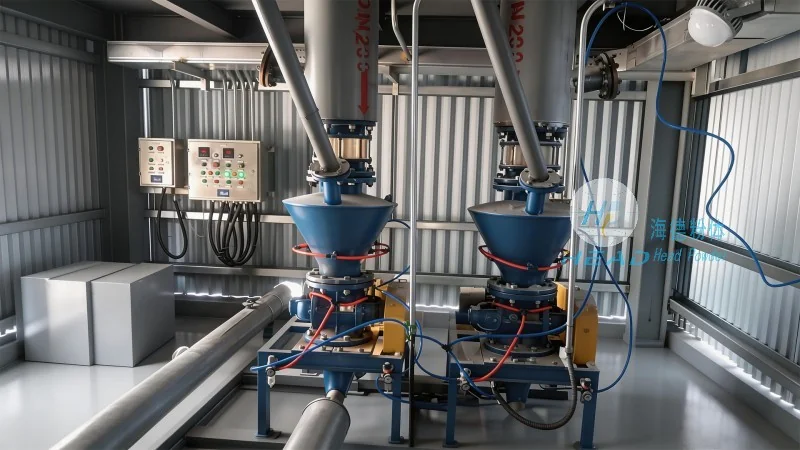
Company Introduction
HeadPowder, a leading manufacturer of pneumatic conveying solutions, specializes in developing and supplying high-quality equipment tailored to the unique needs of different industries. With a strong focus on innovation and customer satisfaction, HeadPowder has established itself as a trusted partner in the material handling sector. The company is headquartered in Shandong, China, and leverages advanced engineering capabilities to deliver reliable and efficient solutions for its clients.
Overview of Pneumatic Conveying Systems
Pneumatic conveying systems utilize compressed air or gas to transport bulk materials from a source to a destination. These systems are classified into two main types: dilute-phase and dense-phase. Dilute-phase systems operate at higher air velocities, typically moving materials in a suspended state, while dense-phase systems use lower air velocities to push materials in a plug or slurry form. The choice between these systems depends on the material characteristics, distance to be covered, and the required flow rate.
Key Components of Heavy Powder Pneumatic Conveying Equipment
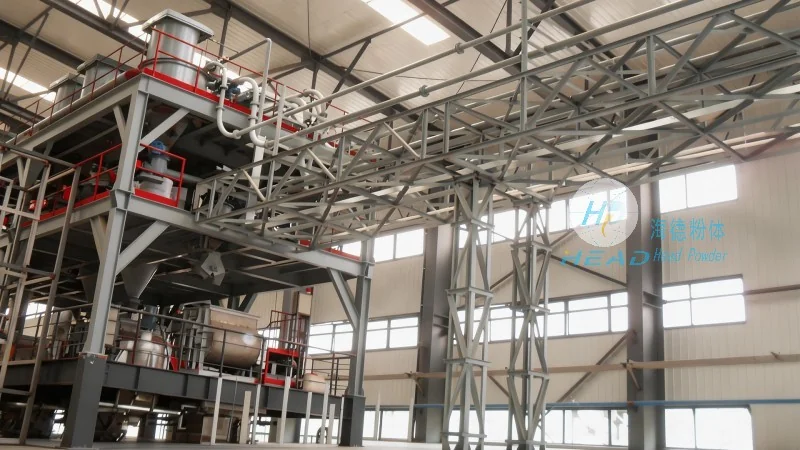
The operation of heavy powder pneumatic conveying equipment involves several key components, each playing a crucial role in the overall system performance. These components include the material hopper, feeder, air compressor, conveying line, and receiver. The material hopper is used to store and feed the bulk material into the system, while the feeder ensures a consistent flow rate. The air compressor generates the necessary pressure to move the material through the conveying line. The conveying line, often made of stainless steel or other corrosion-resistant materials, transports the material from the hopper to the receiver. The receiver collects the material and may include a filter to remove any air or dust particles.
The Operation Process of Heavy Powder Pneumatic Conveying Equipment
The operation process of heavy powder pneumatic conveying equipment typically involves the following steps: First, the bulk material is loaded into the material hopper. The feeder then regulates the flow of material into the conveying line. Simultaneously, the air compressor supplies compressed air to the system, creating a pressure differential that propels the material forward. As the material travels through the conveying line, it is suspended by the air flow and transported to the receiver. The receiver collects the material and may include a dust collection system to ensure environmental compliance. Finally, the material is discharged from the receiver into the desired storage or processing area.
Working Principle of Heavy Powder Pneumatic Conveying Equipment
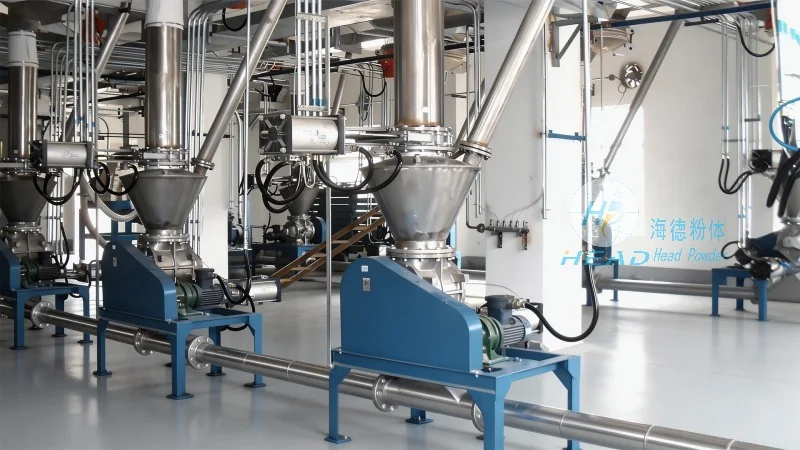
The working principle of heavy powder pneumatic conveying equipment is based on the principles of fluid dynamics and material transport. When compressed air is introduced into the conveying line, it creates a low-pressure zone that draws the material from the hopper into the line. The air velocity is maintained at a level sufficient to keep the material in suspension, preventing it from settling or clogging the line. The pressure differential between the hopper and the receiver drives the material forward, ensuring a continuous flow. The system's efficiency depends on the proper balance of air pressure, flow rate, and material characteristics. Advanced control systems are often integrated to monitor and adjust these parameters in real-time, optimizing the conveying process and minimizing energy consumption.
Advantages of Heavy Powder Pneumatic Conveying Equipment
Heavy powder pneumatic conveying equipment offers several advantages over traditional mechanical conveying methods. These include the ability to handle a wide range of materials, including abrasive or corrosive powders, without causing wear or damage. The system is also highly flexible, allowing for changes in material flow rates or destinations without significant modifications. Additionally, pneumatic conveying systems are more hygienic and cleaner, as they minimize dust exposure and contamination, which is particularly important in industries such as food and pharmaceuticals. The equipment also reduces labor costs by automating the material handling process and minimizing the need for manual handling.
Applications in Various Industries
Heavy powder pneumatic conveying equipment is used in a variety of industries to handle different types of materials. In the chemical industry, it is used to transport powders such as cement, plastics, and pigments. In the food processing industry, it is used to handle ingredients like flour, sugar, and spices, ensuring that the materials remain fresh and uncontaminated. In the pharmaceutical industry, the equipment is used to transport active pharmaceutical ingredients (APIs) and other sensitive materials, maintaining strict hygiene and quality control standards. In the mining industry, it is used to transport ore and other bulk materials from mines to processing facilities. The versatility of the equipment makes it suitable for a wide range of applications, making it an essential component in modern industrial operations.
Maintenance and Troubleshooting
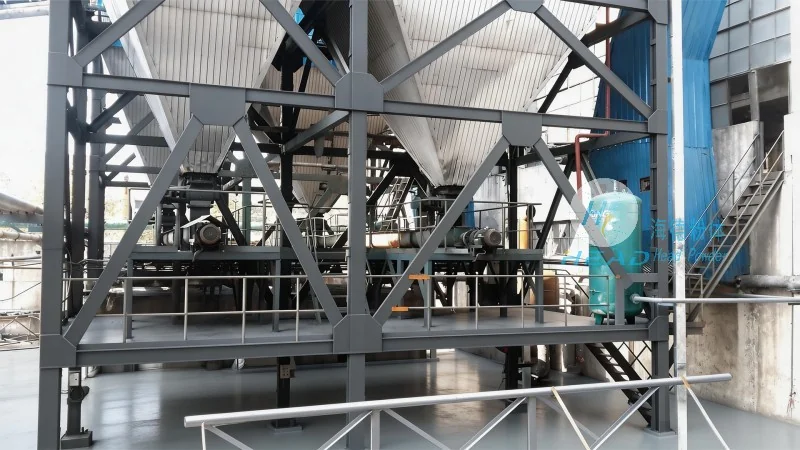
Proper maintenance of heavy powder pneumatic conveying equipment is crucial to ensure its long-term performance and reliability. Regular maintenance tasks include cleaning the hopper and conveying line to prevent material buildup and clogging, checking the air compressor for proper operation, and inspecting the receiver for any signs of wear or damage. Additionally, the system should be inspected for any leaks or pressure drops, which could indicate a problem with the components. If issues arise, such as reduced flow rate or increased air consumption, the system should be checked for blockages, leaks, or worn parts. By following a regular maintenance schedule and addressing issues promptly, the equipment can operate efficiently and minimize downtime.
Future Developments in Pneumatic Conveying Technology
As technology advances, the field of pneumatic conveying is evolving to meet the changing needs of industries. Future developments may include the integration of smart sensors and automation systems to enhance the efficiency and reliability of the equipment. These systems can monitor parameters such as pressure, flow rate, and material level in real-time, providing data-driven insights to optimize the conveying process. Additionally, advancements in materials science may lead to the development of more durable and corrosion-resistant components, extending the lifespan of the equipment. The use of renewable energy sources, such as solar or wind power, to operate the air compressor may also become more common, reducing the environmental impact of the system. Overall, the future of pneumatic conveying technology is focused on improving efficiency, reducing costs, and enhancing sustainability.