

Operation Process and Working Principle of Pulse Dust Removal Material Pneumatic Conveying Equipment
HeadPowder, a leading manufacturer based in Shandong, China, specializes in the design and production of advanced pneumatic conveying systems, particularly those integrated with pulse dust removal technology. This article provides a detailed exploration of the operational process and underlying working principles of such equipment, offering insights into its functionality and efficiency.
Overview of Pneumatic Conveying Systems with Pulse Dust Removal
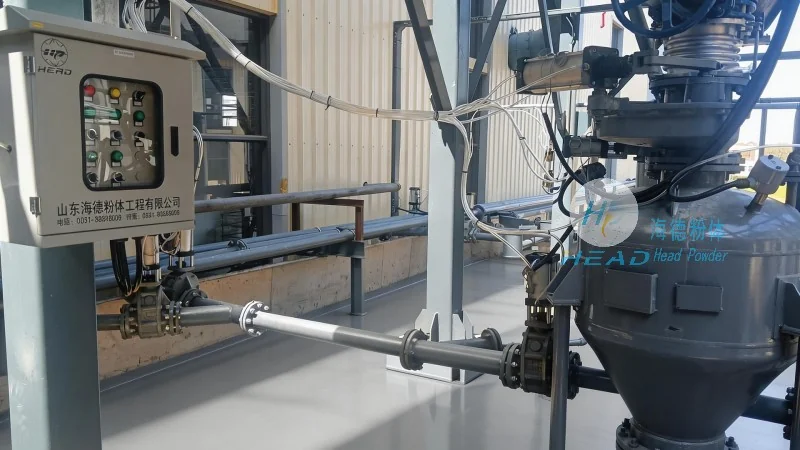
Pneumatic conveying systems are widely used in industrial applications to transport bulk materials such as powders, granules, and fine particles over short to medium distances. The integration of pulse dust removal technology enhances the system's performance by ensuring efficient filtration and material handling. HeadPowder's equipment combines these functionalities to deliver reliable and effective material transport solutions.
Key Components and Their Roles
The pulse dust removal material pneumatic conveying equipment typically consists of several critical components, each playing a vital role in the overall operation. These include the material hopper, air compressor, pulse valve, filter bag house, and conveying pipeline. The material hopper stores the bulk material, while the air compressor generates the necessary air pressure to initiate the conveying process. The pulse valve introduces short bursts of compressed air to clean the filter bags, maintaining optimal filtration efficiency. The filter bag house captures dust particles from the air stream, and the conveying pipeline transports the material from the hopper to the discharge point.

Working Principle of the Conveying Process
The operation of the pulse dust removal material pneumatic conveying system begins with the loading of bulk material into the hopper. The air compressor then starts, generating a high-pressure air stream. This air stream is directed into the conveying pipeline, creating a negative pressure or positive pressure environment depending on the system design. The material in the hopper is drawn into the pipeline by the air flow, and the pulse valve periodically releases short bursts of air to clean the filter bags, preventing clogging and ensuring continuous filtration. The material is then transported to the discharge point, where it is collected for further processing or use.
Operation Process: Step-by-Step Explanation
The operational process of the equipment can be broken down into several key steps to illustrate its functionality. First, the bulk material is loaded into the material hopper. Second, the air compressor is activated, and the system is pressurized. Third, the pulse valve initiates the cleaning cycle of the filter bags to maintain filtration efficiency. Fourth, the material is conveyed through the pipeline under the influence of the air flow. Fifth, the material is discharged at the receiving end. This cyclic process ensures continuous and efficient material transport while maintaining clean air emissions.
Advantages of Pulse Dust Removal Technology
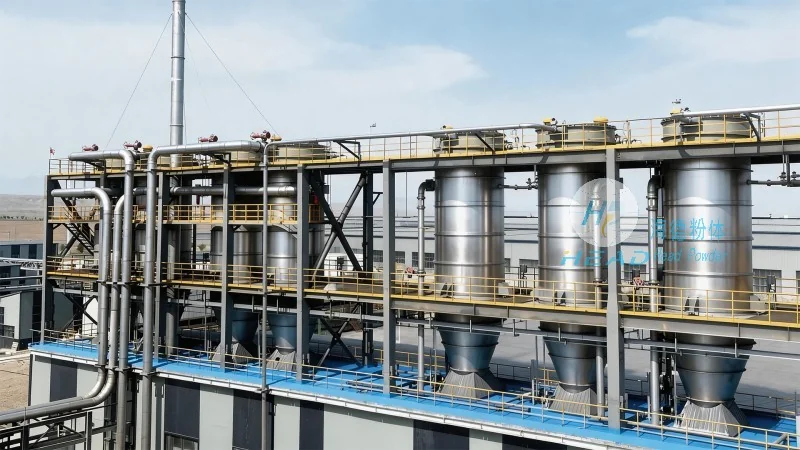
The integration of pulse dust removal technology in pneumatic conveying systems offers several advantages. Firstly, it enhances filtration efficiency by preventing dust accumulation on the filter bags, thereby extending their service life. Secondly, it reduces maintenance costs by minimizing the frequency of manual cleaning. Thirdly, it improves the overall system performance by ensuring consistent air flow and material transport. Additionally, the technology contributes to better environmental compliance by reducing dust emissions into the atmosphere.
Applications and Industries
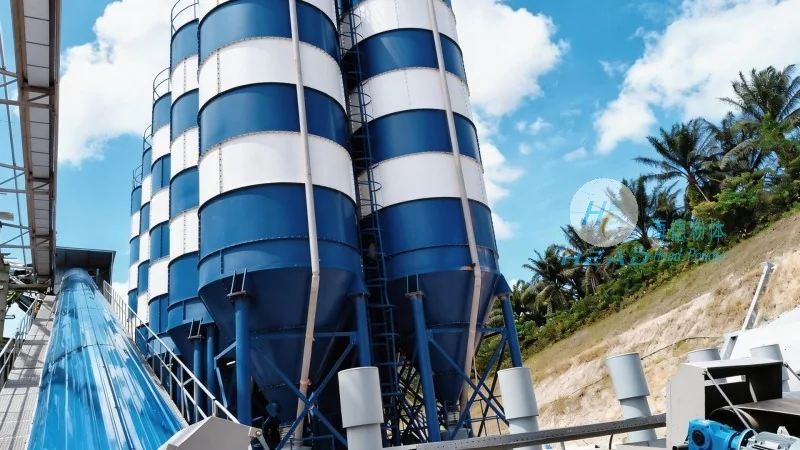
HeadPowder's pulse dust removal material pneumatic conveying equipment is suitable for a wide range of industrial applications across various sectors. These include the chemical industry for transporting powders and granules, the food industry for handling food-grade materials, the pharmaceutical industry for processing fine powders, and the mining industry for conveying ore and minerals. The equipment's versatility and adaptability make it a preferred choice for industries requiring reliable and efficient material handling solutions.
Conclusion
In conclusion, the pulse dust removal material pneumatic conveying equipment from HeadPowder represents a sophisticated solution for industrial material transport. By combining efficient pneumatic conveying with advanced pulse dust removal technology, the system ensures reliable operation, high filtration efficiency, and minimal maintenance. HeadPowder's expertise in engineering and manufacturing ensures that these systems meet the diverse needs of industrial applications, providing customers with a reliable and effective material handling solution.