

Operation Process and Working Principle of a Cationic Flocculant Dry Powder Pneumatic Conveying Syst
The cationic flocculant dry powder material pneumatic conveying system is a specialized equipment designed for the efficient transportation of dry powder flocculants, which are widely used in water treatment, papermaking, and other industrial processes. This system is engineered to handle fine, powdery materials with high efficiency and minimal loss, ensuring stable and reliable operation in various industrial settings. The system's design incorporates advanced pneumatic conveying technology, enabling the safe and effective movement of flocculant powders from storage to processing units.
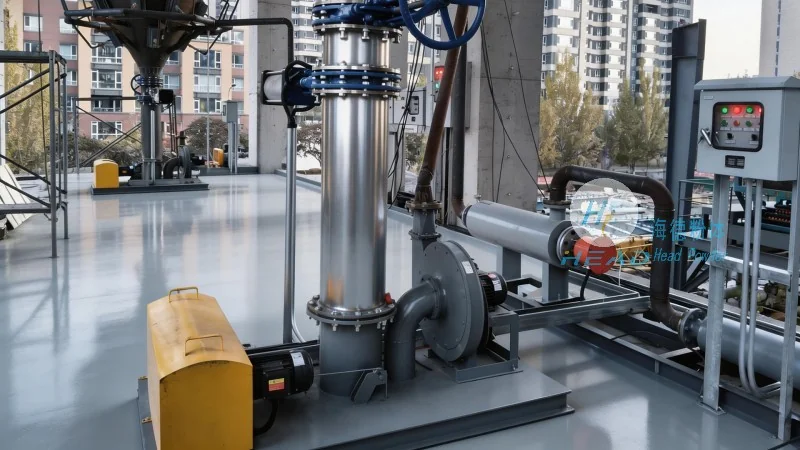
About Shandong HeadPowder Engineering Co., Ltd.
Headpowder, as the company name suggests, specializes in engineering solutions for powder handling and conveying systems. As a leading manufacturer based in Shandong, China, the company has built a strong reputation for delivering high-quality, reliable equipment tailored to the specific needs of industrial clients. With a focus on innovation and customer satisfaction, Headpowder provides comprehensive services, including system design, installation, and maintenance for pneumatic conveying systems used in the flocculant industry.
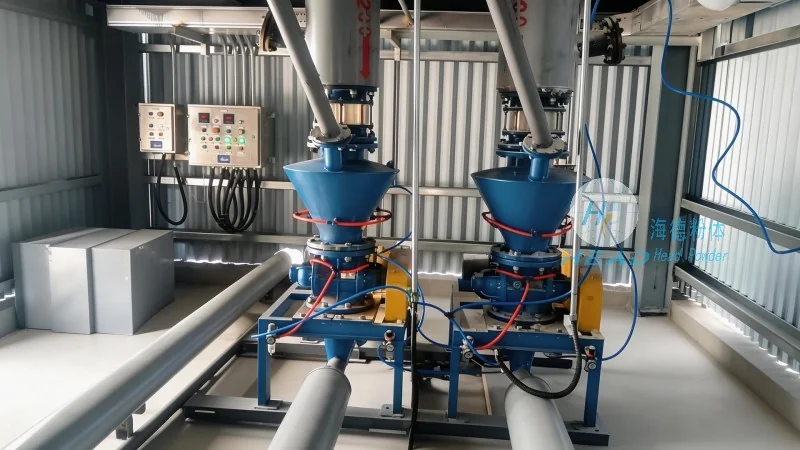
Working Principle of the Pneumatic Conveying System
The core of the pneumatic conveying system lies in its ability to use compressed air to transport dry powder materials. The system typically consists of a hopper for material storage, a conveyor line, and a control system. When the system is activated, compressed air is introduced into the hopper, creating a pressure differential that lifts the flocculant powder into the conveyor line. The air flow then carries the powder through the pipeline to the destination point, such as a mixer or processing tank. The system may use either positive pressure (pressure type) or negative pressure (suction type) to achieve the conveying process, depending on the application requirements and material characteristics.
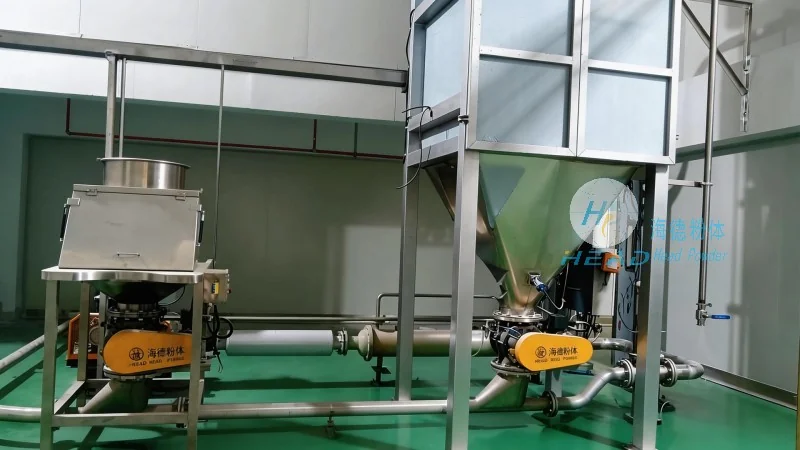
Operation Process of the System
The operation process of the cationic flocculant dry powder pneumatic conveying system involves several key steps. First, the flocculant powder is loaded into the storage hopper. The system then starts the air compressor, which generates the necessary pressure for conveying. The control system monitors the pressure and flow rate, ensuring the material is transported at the optimal speed. As the powder moves through the pipeline, it is evenly distributed and delivered to the target location. The system may include features such as flow meters and pressure sensors to provide real-time monitoring and adjust the operation parameters as needed. This ensures consistent and reliable delivery of the flocculant powder, minimizing downtime and improving overall process efficiency.
Key Components and Their Functions
Several critical components contribute to the efficient operation of the pneumatic conveying system. The storage hopper is designed to hold the dry flocculant powder and maintain its quality. The air compressor provides the necessary compressed air to generate the conveying force. The conveyor line, often made of stainless steel or other corrosion-resistant materials, ensures the safe and hygienic transport of the powder, especially in applications where contamination control is essential. The control system, equipped with sensors and valves, manages the air flow and pressure, allowing for precise control over the conveying process. Additionally, the system may include filters and separators to prevent dust accumulation and maintain air quality, ensuring compliance with environmental regulations.
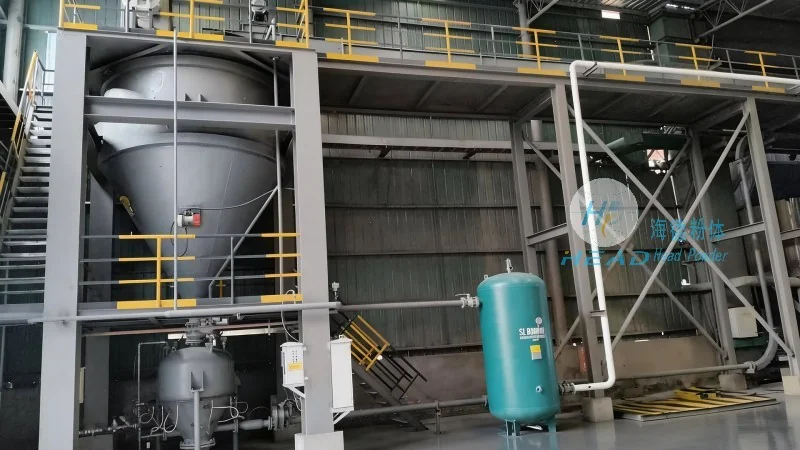
Benefits and Applications
The cationic flocculant dry powder pneumatic conveying system offers numerous benefits to industrial operations. It provides a dust-free and hygienic method of transporting fine powders, reducing the risk of inhalation and contamination. The system's high efficiency minimizes material loss and improves process consistency, leading to better product quality and reduced operational costs. In water treatment plants, the system ensures the accurate and reliable delivery of flocculants to the mixing tanks, enhancing the effectiveness of the coagulation and flocculation process. In papermaking, the system delivers cationic flocculants to the paper machine, improving the paper's strength and quality. Overall, the system enhances operational safety, improves process control, and contributes to the overall productivity of industrial facilities.