

Operation Process and Working Principle of a Ferrous Sulfate Material Pneumatic Conveying System
For industrial applications involving ferrous sulfate, efficient material handling is crucial to maintain production efficiency and operational safety. The pneumatic conveying system designed by Shandong HeadPowder Engineering Co., Ltd. offers a reliable solution for transporting ferrous sulfate materials. This article provides an in-depth look at the operation process and working principle of this specialized system, highlighting its design, functionality, and practical applications.
System Overview: Design and Components
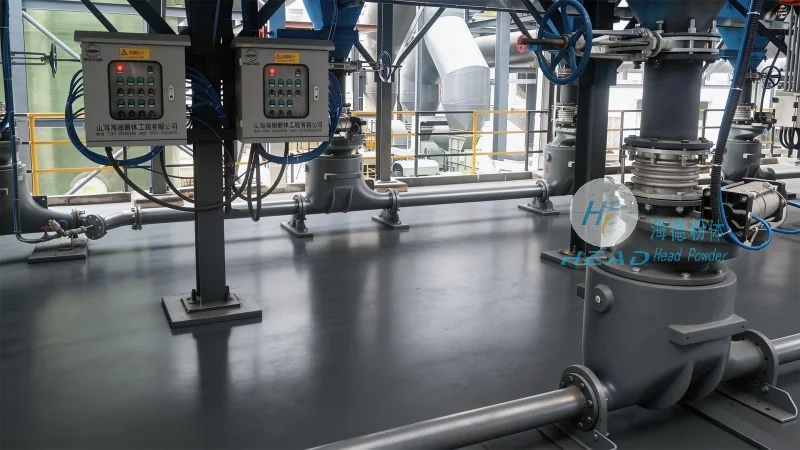
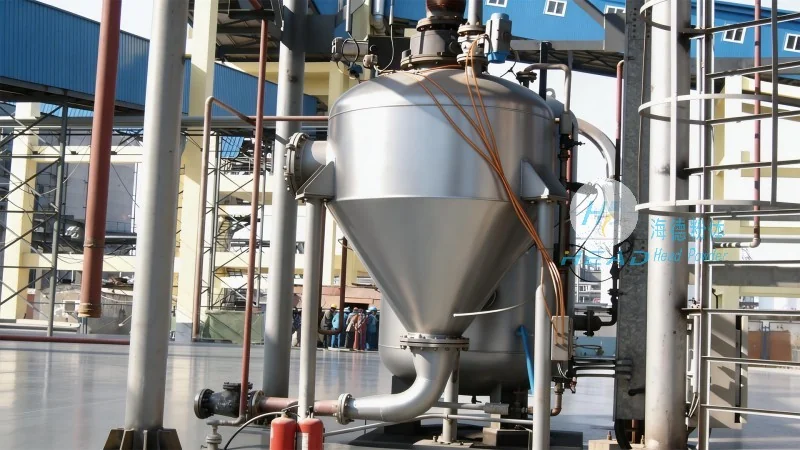
The ferrous sulfate material pneumatic conveying system from HeadPowder is engineered to handle the unique characteristics of ferrous sulfate, such as its density, flowability, and potential moisture content. The system typically consists of several key components, including a hopper for material storage, a feeder to control the flow rate, a conveying line (often equipped with pressure vessels or ducts), and a receiver for the discharged material. Additionally, the system may incorporate accessories like filters, cyclones, and pressure regulators to ensure smooth operation and protect equipment from dust or pressure fluctuations.
Operation Process: Step-by-Step Execution
The operation of the ferrous sulfate pneumatic conveying system follows a systematic sequence to ensure consistent and efficient material transport. The process begins with loading the hopper with ferrous sulfate material. The feeder then regulates the material flow into the conveying line, maintaining a steady rate to prevent blockages or uneven transport. As the material enters the conveying line, it is mixed with air (or other carrier gases) under controlled pressure, creating a slurry or suspension that travels through the ductwork. The system’s design ensures that the air-to-material ratio is optimized to achieve the desired conveying velocity without excessive energy consumption. Upon reaching the receiver, the material is separated from the air, typically through a cyclone or filter system, and collected for further processing or storage. The entire operation is monitored by automated controls that adjust parameters like pressure, flow rate, and air volume to maintain optimal performance.

Working Principle: How the System Transfers Material
The core working principle of the pneumatic conveying system relies on the interaction between the ferrous sulfate material and the carrier gas. In a typical operation, the material is fed into the conveying line under pressure, where it is suspended by the moving air stream. The pressure differential between the hopper and the receiver drives the material forward, while the air acts as a medium to transport it. The system may operate in either positive pressure (where the conveying line is pressurized) or negative pressure (where the receiver is under vacuum) modes, depending on the application requirements. The choice of mode influences factors such as material handling capacity, distance, and the need to minimize dust emissions. The design of the conveying line, including its diameter, length, and bends, is critical to maintaining the air flow velocity and preventing material deposition or blockages. Proper maintenance of the system, including regular cleaning of filters and checking for leaks, is essential to ensure consistent performance and prevent operational issues.
Technical Advantages and Practical Applications
HeadPowder’s ferrous sulfate pneumatic conveying system offers several technical advantages that make it suitable for industrial applications. The system’s ability to handle fine or powdery ferrous sulfate materials without the need for mechanical components reduces wear and maintenance costs. The enclosed design minimizes dust exposure, enhancing workplace safety and compliance with environmental regulations. Additionally, the system’s flexibility allows for integration with existing production lines, enabling seamless material transfer between processes. Practical applications of this system include transporting ferrous sulfate from storage silos to processing units, feeding it into reactors or mixers, or moving it to packaging facilities. The system’s efficiency in handling large volumes of material at a consistent rate improves overall production throughput and reduces downtime caused by material handling bottlenecks.
Conclusion: Reliable Material Handling for Ferrous Sulfate
In conclusion, the pneumatic conveying system developed by Shandong HeadPowder Engineering Co., Ltd. provides an effective and reliable solution for handling ferrous sulfate materials. By understanding the operation process and working principle of this system, users can optimize its performance for their specific industrial needs. The system’s design, incorporating advanced components and automated controls, ensures efficient material transport while maintaining safety and environmental standards. With its proven track record in industrial applications, this system is a valuable asset for companies dealing with ferrous sulfate, offering improved productivity and operational efficiency.