

Operation Process and Working Principle of Pneumatic Conveying System for Glass Granules
HeadPowder, a leading engineering company based in Shandong, China, specializes in the design, manufacturing, and installation of advanced pneumatic conveying systems tailored for handling glass granules. The following article provides a detailed overview of the operational process and working principles of such systems, highlighting their efficiency and reliability in material transport.
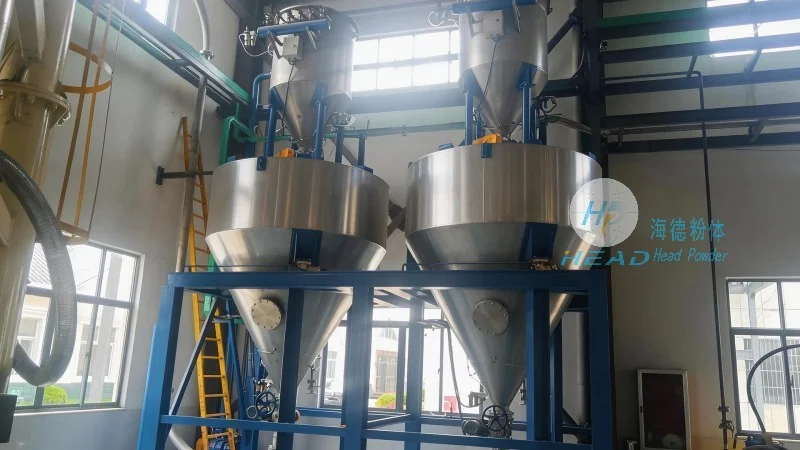
System Overview and Core Components
At the heart of a glass granules pneumatic conveying system lies a series of interconnected components that work in synergy to ensure smooth material transport. The system typically includes a hopper for material storage, a feeder to control the flow rate, a conveying line (often equipped with bends and straight sections), a dust collector to manage airborne particles, and a discharge outlet for the final material delivery. Each component is carefully engineered to handle the unique properties of glass granules, such as their abrasive nature and potential for static charge accumulation. The hopper is designed to store large quantities of glass granules while maintaining a consistent feed to the feeder. The feeder, which may be a rotary valve or a screw feeder, regulates the material flow rate, preventing overloading or underflow that could disrupt the conveying process. The conveying line is constructed from materials resistant to abrasion and corrosion, such as stainless steel or special alloys, to withstand the harsh conditions of glass granules transport. The bends and straight sections in the line are strategically placed to guide the material flow and minimize pressure losses. The dust collector, often a baghouse or cartridge filter, captures any fine particles that escape the conveying line, ensuring that the system operates in a clean and safe environment. The discharge outlet is designed to release the glass granules into the receiving container without causing spillage or blockage.
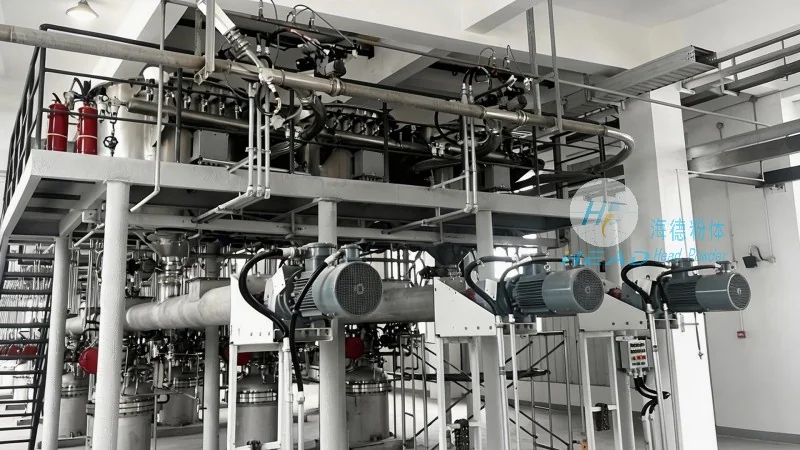
Working Principle: The Pneumatic Conveying Process
The operation of a glass granules pneumatic conveying system is based on the principle of using compressed air to transport solid particles through a pipeline. The process begins when the glass granules are fed into the hopper. The feeder then regulates the material flow, ensuring a consistent rate of discharge. Compressed air is then supplied to the conveying line, creating a low-pressure zone that draws the glass granules into the air stream. As the particles move through the pipeline, they are carried by the air flow, overcoming gravitational forces and any resistance from the pipeline walls. The system may employ different conveying modes, such as dilute phase (where particles are suspended in the air) or dense phase (where particles are more concentrated), depending on the specific application requirements and material characteristics. In dilute phase conveying, the air velocity is high enough to keep the particles suspended, resulting in a faster and more efficient transport. In dense phase conveying, the air velocity is lower, allowing for a more controlled and gentle transport, which is beneficial for fragile or sensitive materials like glass granules. The choice of conveying mode depends on factors such as the distance to be covered, the material's density, and the desired flow rate.
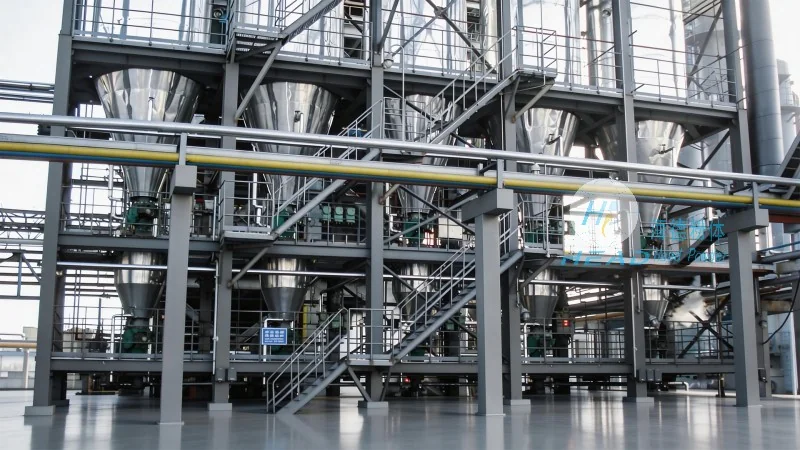
Key Operational Steps and Flow Sequence
The operational sequence of a glass granules pneumatic conveying system involves several critical steps that ensure efficient and safe material transport. First, the hopper is filled with the glass granules, and the system is prepared for operation. Next, the feeder activates, controlling the flow rate to match the system's capacity. Compressed air is then supplied to the conveying line, initiating the transport process. The glass granules are drawn into the air stream and move through the pipeline, passing through bends and straight sections as designed. At the discharge end, the material is released into the receiving container. Simultaneously, the dust collector captures any airborne particles, preventing contamination and ensuring environmental compliance. The system may also include monitoring and control mechanisms to adjust air pressure, flow rate, and other parameters in real-time, optimizing performance and preventing system failures. For example, pressure sensors may be installed along the conveying line to monitor air pressure and alert operators if it drops below a certain threshold, indicating a potential blockage or other issue. Flow meters can be used to measure the material flow rate and ensure it remains within the system's design limits. These monitoring systems help maintain the system's efficiency and reliability, reducing downtime and maintenance costs.
Advantages and Applications in Glass Industry
Pneumatic conveying systems for glass granules offer numerous advantages over traditional methods, such as mechanical conveyors or bucket elevators. These systems are highly flexible, allowing for changes in material flow direction and distance without major modifications. They are also capable of handling abrasive materials like glass granules, reducing wear and tear on components compared to mechanical systems. Additionally, pneumatic conveying systems can operate in a closed environment, minimizing dust emissions and improving workplace safety. In the glass industry, these systems are widely used for transporting raw materials, such as sand and cullet, from storage silos to processing lines, as well as for moving finished glass products from production areas to storage or packaging facilities. For instance, in a glass manufacturing plant, a pneumatic conveying system may be used to transport sand from a silo to a furnace, where it is mixed with other raw materials to produce glass. The system ensures a consistent and controlled flow of sand, which is critical for maintaining the quality of the final product. Similarly, in a glass processing facility, a pneumatic conveying system may be used to transport finished glass products from the production line to a storage warehouse, where they are then packaged and shipped to customers. The system's flexibility allows it to adapt to different production schedules and demand fluctuations, ensuring that the glass products are delivered efficiently and on time.
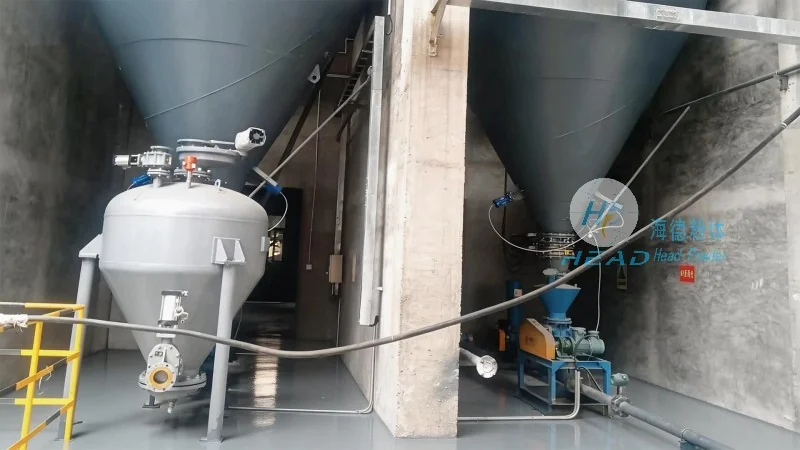
Maintenance and Operational Considerations
To ensure the long-term reliability and efficiency of a glass granules pneumatic conveying system, regular maintenance and proper operational practices are essential. The system components, particularly the conveying line and feeder, require periodic inspection and cleaning to prevent clogging or damage from abrasive particles. The conveying line should be inspected for signs of wear or corrosion, and any damaged sections should be replaced promptly. The feeder should be cleaned regularly to remove accumulated material, which can affect its performance and cause blockages. The compressed air system must be maintained to ensure consistent pressure and quality, as air contaminants can affect the performance of the conveying process. Filters and moisture separators should be installed and maintained to remove dust and moisture from the air, preventing clogging of the conveying line and damage to the system components. The dust collector should also be regularly cleaned to maintain its efficiency and prevent clogging. Additionally, monitoring the system's performance parameters, such as air flow rate and pressure, helps identify potential issues early and allows for timely adjustments. Proper training of operators on the system's operation and maintenance procedures is also crucial to prevent accidents and ensure optimal performance. Operators should be trained to recognize signs of system failure, such as increased pressure or reduced flow rate, and take appropriate action to resolve the issue. Regular maintenance schedules should be established and followed to ensure that the system is always in good working condition. By following these maintenance and operational considerations, the glass granules pneumatic conveying system can operate efficiently and reliably for many years, providing consistent and high-quality material transport for the glass industry.