

Operation Process and Working Principle of Pneumatic Conveying System for Feed Pellet Materials
HeadPowder, a prominent engineering firm headquartered in Shandong, China, is dedicated to delivering innovative solutions for the efficient handling of feed pellet materials. This article explores the operation process and working principles of pneumatic conveying systems, which are widely used in the feed industry to transport bulk materials like feed pellets with precision and reliability.
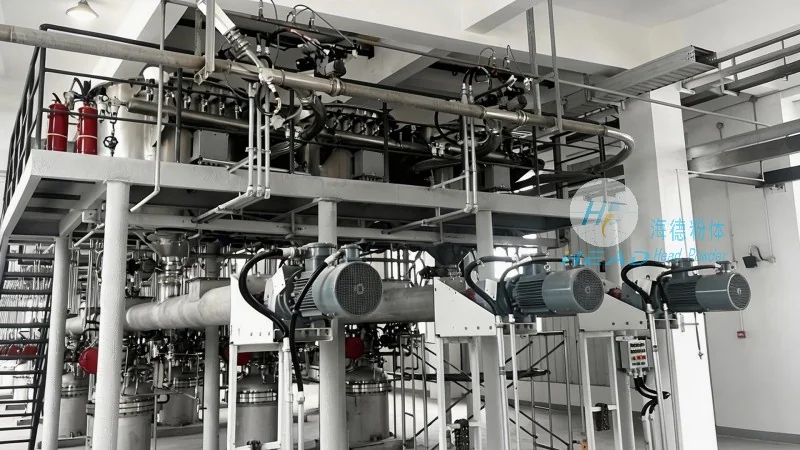
Understanding the Core Working Principle of Pneumatic Conveying
The fundamental principle of pneumatic conveying involves the use of pressurized air or suction to move bulk materials through a closed pipeline system. For feed pellet materials, this method offers several advantages over traditional mechanical conveying, including reduced contamination risk, lower maintenance requirements, and the ability to handle materials in a hygienic environment. The system typically consists of key components such as a material feeder, a conveying line, a pressure or vacuum source, and a separation or discharge unit.
Step-by-Step Operation Process of the Pneumatic Conveying System
The operation of a pneumatic conveying system for feed pellets follows a systematic sequence to ensure smooth material transfer. Initially, the feed pellet material is fed into the system via a hopper or a rotary valve, which controls the flow rate and prevents blockages. Simultaneously, the air source (either a blower for pressure systems or a vacuum pump for suction systems) generates the necessary airflow to move the material through the pipeline. As the pellets travel along the conveying line, they are propelled by the air current, maintaining a consistent velocity and preventing material degradation.
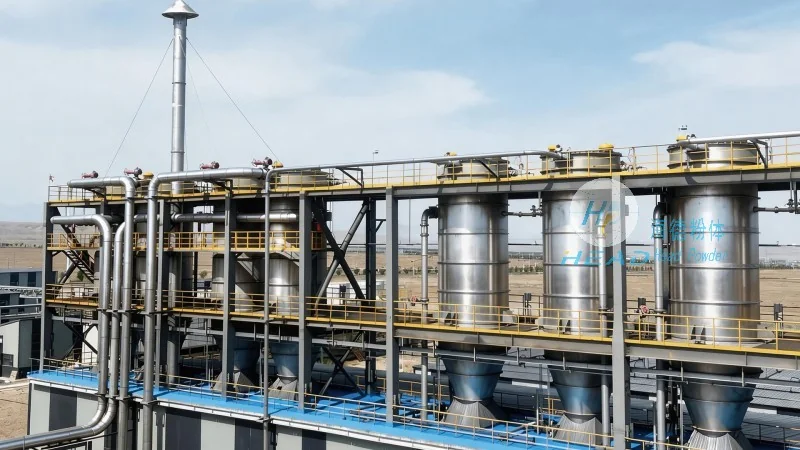
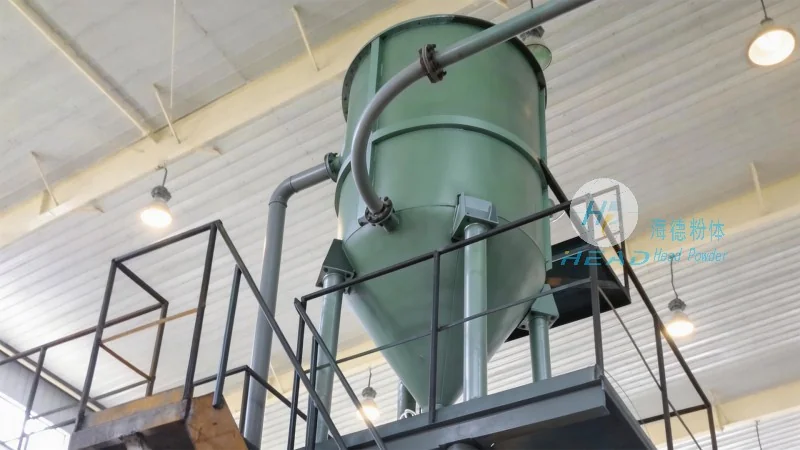
Upon reaching the destination, the material is separated from the air using a cyclone separator or a filter system. The separated feed pellets are then discharged into a storage bin or processing unit, while the air is either recirculated or vented to the atmosphere. This process is continuous and can be adjusted to handle varying feed rates, ensuring flexibility in production operations.
Key Components and Their Functions in the System
Each component of the pneumatic conveying system plays a critical role in the overall efficiency and performance. The material feeder, often a screw feeder or a rotary valve, ensures a uniform and controlled feed of feed pellets into the system. The conveying line, typically made of stainless steel or other corrosion-resistant materials, is designed to withstand the abrasive nature of feed pellets and maintain airtight integrity. The pressure or vacuum source, such as a centrifugal blower or a rotary vane pump, provides the necessary airflow to transport the material. The separation unit, including cyclones or filters, effectively separates the feed pellets from the air, minimizing dust and ensuring product purity.
Advantages of Pneumatic Conveying for Feed Pellet Materials
Implementing a pneumatic conveying system for feed pellets offers numerous benefits that enhance operational efficiency and product quality. These advantages include reduced labor costs due to automated material handling, improved hygiene and sanitation by minimizing direct human contact with the material, and enhanced safety by eliminating the need for manual lifting or handling of heavy loads. Additionally, the system can be integrated with other processing equipment, such as mixers or extruders, to streamline production workflows and improve overall productivity.
Application Scenarios and Customization Options
Pneumatic conveying systems for feed pellets are versatile and can be adapted to various industrial applications, including feed mills, animal feed production facilities, and pet food processing plants. HeadPowder, with its expertise in engineering, offers customized solutions tailored to specific client needs, such as varying feed rates, material types, or system sizes. The company’s team of engineers works closely with clients to design systems that meet their unique operational requirements, ensuring optimal performance and cost-effectiveness.
Conclusion: The Role of Pneumatic Conveying in Modern Feed Processing
In conclusion, pneumatic conveying systems for feed pellet materials are a vital component of modern feed processing operations, offering efficient, hygienic, and reliable material handling solutions. HeadPowder, as a leading provider in this field, continues to innovate and deliver high-quality systems that meet the evolving needs of the feed industry. By understanding the operation process and working principles of such systems, stakeholders can make informed decisions about implementing or upgrading their material handling infrastructure, ultimately enhancing productivity and product quality.