

Operation Process and Working Principle of Denitrizer Material Pneumatic Conveying System
Denitrizer material pneumatic conveying systems are critical components in industrial processes, particularly in facilities that handle nitrogen oxide reduction agents. These systems efficiently transport denitrizer powders from storage to processing units, ensuring consistent material flow and operational reliability. This article provides an in-depth look at the operation process and working principles of such systems, highlighting the technical aspects and practical applications.
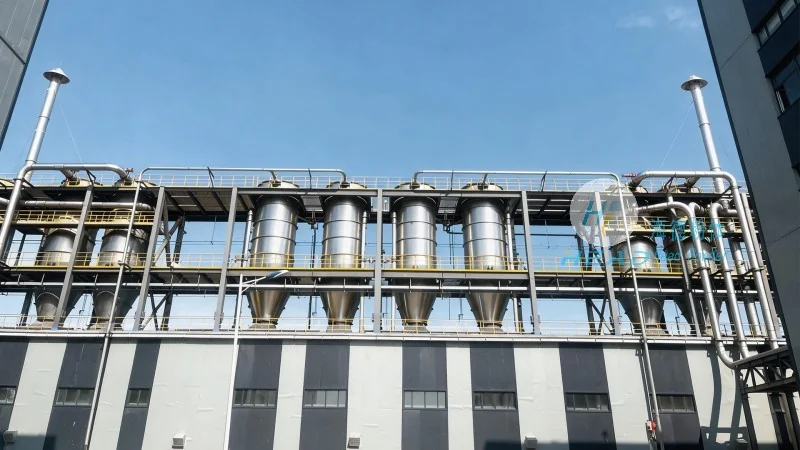
Company Overview: Shandong HeadPowder Engineering Co., Ltd.
Shandong HeadPowder Engineering Co., Ltd., commonly known as HeadPowder, is a specialized engineering firm based in Shandong, China. The company focuses on the design, manufacturing, and installation of pneumatic conveying systems tailored for various industrial materials, including denitrizer powders. With years of experience in the field, HeadPowder has developed expertise in optimizing material handling solutions to meet the specific needs of clients in power generation, chemical, and environmental sectors.
Working Principle of Pneumatic Conveying Systems
The core working principle of a pneumatic conveying system involves the use of compressed air or other gas to transport bulk materials through a pipeline. In the case of denitrizer materials, which are typically fine powders, the system employs either positive pressure or negative pressure (vacuum) to move the material. The positive pressure system forces air and material through the pipeline, while the negative pressure system draws material into the pipeline using a vacuum. The interaction between the material particles and the gas flow is key to the system's efficiency. The system's design considers factors such as particle size, density, and moisture content to ensure optimal conveying performance.
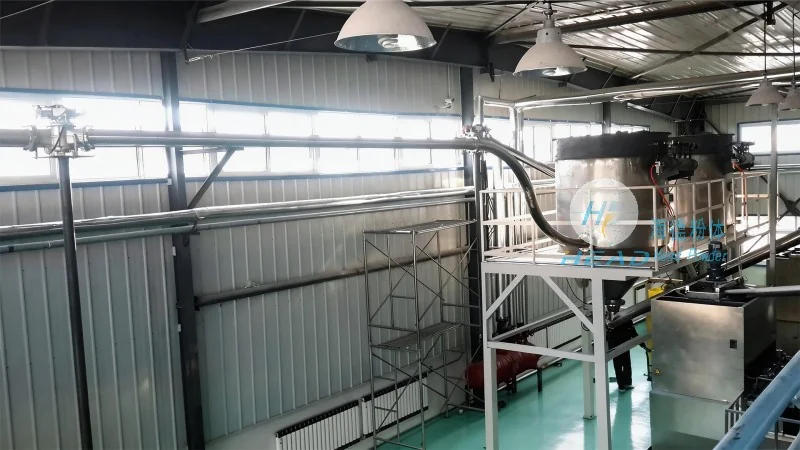
Operation Process of the Denitrizer Material Pneumatic Conveying System
The operation process of a denitrizer material pneumatic conveying system involves several sequential steps to ensure safe and efficient material transport. The process begins with the preparation phase, where the denitrizer powder is loaded into the hopper or storage silo. The system then initiates the start-up sequence, which includes checking the air pressure, verifying the integrity of the pipeline, and ensuring all safety interlocks are active. Once the system is confirmed to be in a safe operational state, the compressed air is activated, and the material is conveyed from the storage hopper to the processing unit. The conveying rate is controlled by adjusting the air flow rate, which is monitored by flow meters and pressure sensors. The system continues to operate until the material is fully transferred, at which point the air flow is reduced and the system is shut down. The entire process is automated, with real-time monitoring and control to prevent overloading or system failures.
Key Components and Their Functions
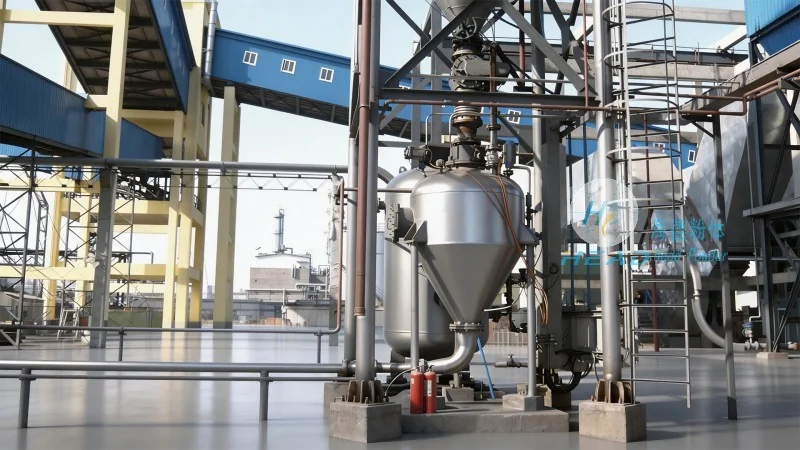
A denitrizer material pneumatic conveying system consists of several critical components, each playing a vital role in the overall operation. The main components include the material hopper or silo, which stores the denitrizer powder; the air compressor or vacuum pump, which provides the necessary pressure or vacuum; the conveying pipeline, which transports the material; the control system, which monitors and regulates the process; and the receiving hopper or processing unit, where the material is deposited. The material hopper is equipped with a feeder, such as a rotary valve or screw feeder, to control the flow of material into the pipeline. The air compressor maintains a consistent pressure, ensuring steady material transport. The pipeline is designed with appropriate diameter and length to minimize pressure drop and prevent material deposition. The control system uses sensors to detect pressure, flow, and material level, providing feedback to the control unit for adjustments. The receiving hopper ensures that the material is deposited accurately and without spillage.
Advantages and Applications
Pneumatic conveying systems for denitrizer materials offer several advantages over traditional mechanical conveying methods. These include reduced material degradation due to minimal contact with equipment, improved safety by eliminating the need for manual handling of powders, and increased flexibility in system layout. The systems are widely used in power plants, where denitrizer powders are used for flue gas desulfurization and nitrogen oxide reduction. They are also applied in chemical manufacturing facilities that produce or process denitrizer compounds. The systems can handle a wide range of material characteristics, from fine powders to granules, making them versatile for various industrial applications.
Maintenance and Operational Considerations
To ensure the long-term reliability and efficiency of a denitrizer material pneumatic conveying system, regular maintenance is essential. This includes checking and replacing air filters to maintain air quality, inspecting the pipeline for blockages or wear, and lubricating moving parts such as feeder mechanisms. The system's control system should be regularly calibrated to ensure accurate monitoring of pressure and flow. Additionally, operators should follow proper start-up and shut-down procedures to prevent system damage. Regular cleaning of the hopper and pipeline is necessary to prevent material buildup, which can affect conveying performance. By adhering to these maintenance practices, the system can operate at optimal efficiency, minimizing downtime and maximizing material throughput.