

Operation Process and Working Principle of Industrial Alkali Material Pneumatic Conveying Systems
Industrial alkali material pneumatic conveying systems are critical in modern industrial operations, particularly for the efficient and safe transport of caustic materials like sodium hydroxide, potassium hydroxide, and other alkaline compounds. These systems utilize air or gas as the conveying medium to move bulk materials over long distances or between different processing stages. The design and implementation of such systems require a deep understanding of both the material properties and the mechanical principles involved in pneumatic transport.
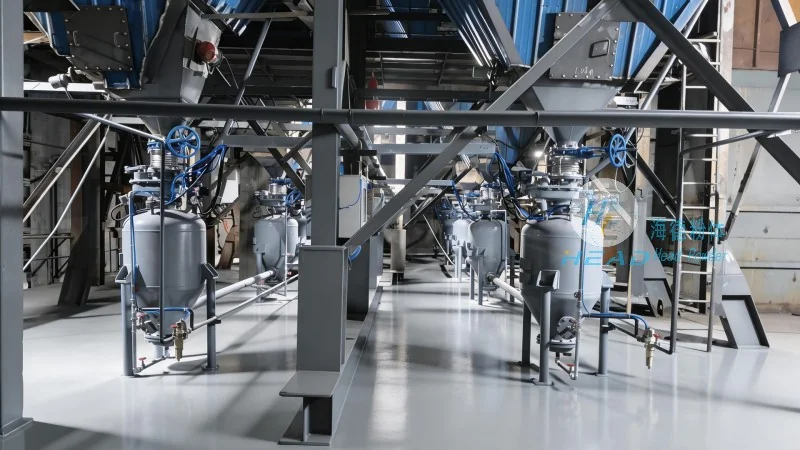
HeadPowder, a leading provider in the field, specializes in the engineering, manufacturing, and installation of advanced pneumatic conveying solutions tailored for industrial alkali applications. With a strong presence in Shandong, China, the company leverages its expertise to deliver systems that meet stringent safety and efficiency standards. This article delves into the operational workflow and underlying principles of these systems, providing a comprehensive overview for industry professionals and potential clients.
Working Principle of Pneumatic Conveying Systems
The core of a pneumatic conveying system lies in its ability to create a pressure differential that propels the material through a pipeline. There are two primary types of pneumatic conveying: pressure and vacuum. Pressure systems use a positive pressure air stream to push material from a source to a destination, while vacuum systems employ a negative pressure to draw material from a source into a receiver.
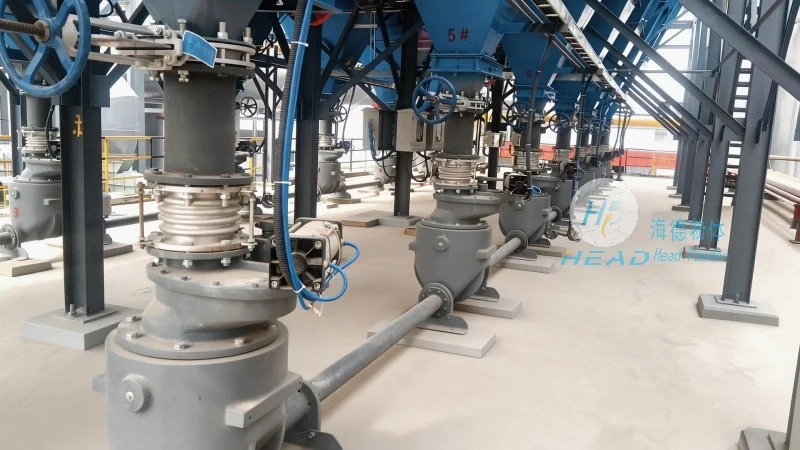
For industrial alkali materials, pressure systems are often preferred due to their ability to handle abrasive and corrosive substances without compromising system integrity. The process typically involves several key components: a material hopper, a rotary airlock feeder, a positive displacement blower or compressor, a conveying pipeline, and a receiver or silo. The material is first fed from the hopper into the feeder, which controls the flow rate to maintain consistent pressure and prevent blockages. The feeder then introduces the material into the pipeline, where it is entrained by the high-velocity air stream generated by the blower. The air and material mixture travels through the pipeline to the receiver, where the material is separated from the air by a cyclone or other separation device. The air is then filtered and discharged, while the material is collected in the receiver for further processing.
Operation Process of Industrial Alkali Material Pneumatic Conveying Systems
The operational workflow of an industrial alkali material pneumatic conveying system can be broken down into several sequential steps, each designed to ensure smooth and reliable material transport. The process begins with the loading of the alkali material into the hopper. The material is stored in the hopper, which is equipped with a level indicator to monitor the material volume. Once the material reaches a certain level, the rotary airlock feeder activates, regulating the flow rate based on the system's demand. The feeder's design, such as the number of vanes and the rotation speed, is critical to maintaining a consistent material feed and preventing overloading the blower.
Next, the positive displacement blower or compressor generates the necessary air pressure. The blower's capacity is matched to the material's characteristics, including its density, particle size, and moisture content. The air pressure is typically maintained between 0.5 to 2 bar, depending on the system's length and the material's properties. The high-pressure air is then introduced into the conveying pipeline, where it mixes with the material from the feeder. The air velocity in the pipeline is crucial; it must be high enough to entrain the material particles but not so high as to cause excessive wear on the pipeline or components.
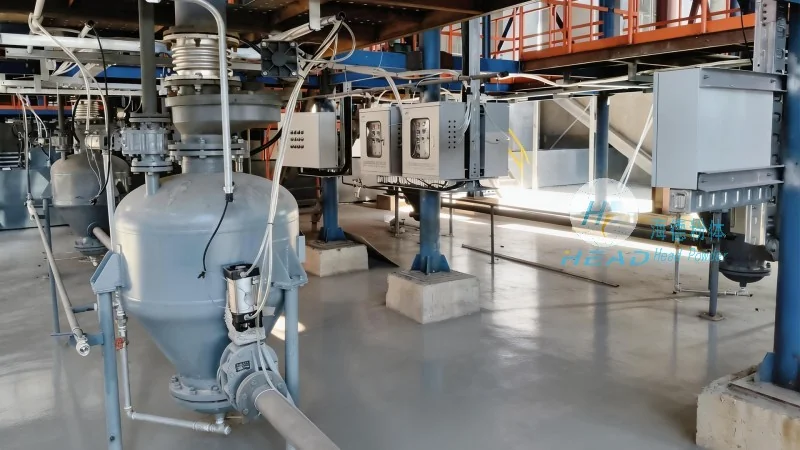
As the material-air mixture travels through the pipeline, it may encounter bends, expansions, or other fittings. These components are designed to minimize pressure loss and maintain the flow's integrity. The pipeline is usually made of corrosion-resistant materials like stainless steel or special alloys to withstand the alkaline environment. The receiver, located at the end of the pipeline, is equipped with a dust collector or filter to separate the material from the air. The air is then cleaned and discharged, while the material is collected in the receiver's hopper for subsequent use or processing.
Key Components and Their Roles
Each component in an industrial alkali material pneumatic conveying system plays a vital role in ensuring its efficient operation. The material hopper serves as the storage vessel, providing a consistent supply of material to the system. It is typically equipped with a discharge valve and a level sensor to monitor the material level. The rotary airlock feeder is a critical component that controls the material flow rate and prevents backflow. It consists of a rotating drum with vanes that trap material and release it in controlled quantities. The feeder's design must be compatible with the material's properties to avoid clogging or wear.
The positive displacement blower or compressor is the heart of the system, responsible for generating the air pressure needed to convey the material. These devices are available in various types, including rotary lobe, screw, and piston compressors, each with its own advantages in terms of efficiency, noise level, and maintenance. The blower's capacity is matched to the system's requirements, ensuring that it can handle the material's flow rate without excessive energy consumption.
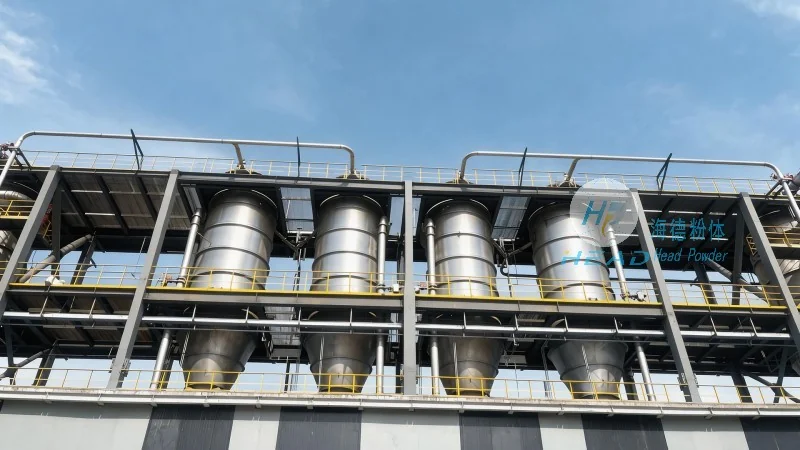
The conveying pipeline is the main channel through which the material is transported. It is typically made of stainless steel or other corrosion-resistant materials to withstand the alkaline environment. The pipeline is designed with appropriate diameters and slopes to maintain the air velocity and prevent material settling. Bends and fittings are carefully selected to minimize pressure loss and maintain the flow's stability. The receiver is the final component, where the material is collected and stored for further processing. It is equipped with a dust collector or filter to separate the material from the air, ensuring that the air is clean before discharge.
Conclusion
Industrial alkali material pneumatic conveying systems are essential for the efficient and safe transport of caustic materials in various industrial applications. The operation process involves a series of coordinated steps, from material loading to air filtration, ensuring that the system operates reliably and efficiently. HeadPowder, with its expertise and experience, provides high-quality pneumatic conveying solutions tailored to the specific needs of industrial alkali applications. By understanding the working principles and operational workflow, industries can optimize their material handling processes, reduce downtime, and enhance overall productivity.