

Principle and Classification Application of Tailings Slurry Pneumatic Conveying
Understanding the working principles and application classifications of tailings slurry pneumatic conveying is crucial for optimizing material handling processes in mining operations. This article provides an in-depth overview of the technology, its operational mechanisms, and the diverse applications across different industrial scenarios.
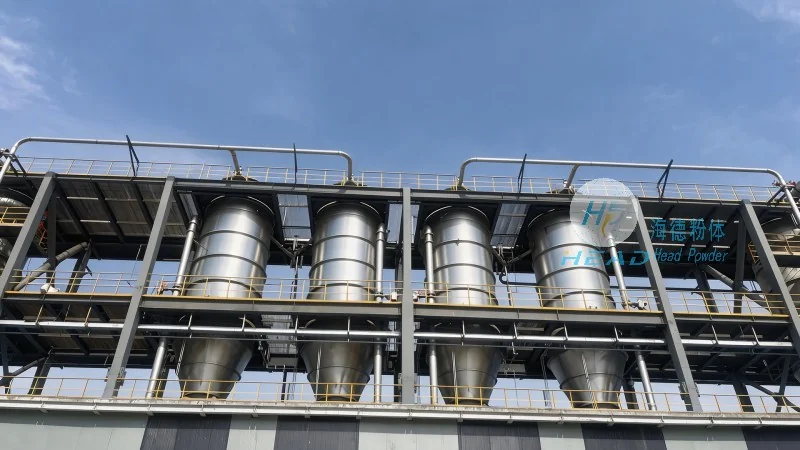
Introduction to Tailings Slurry Pneumatic Conveying
Tailings slurry, a byproduct of mineral processing, often requires efficient transport from processing plants to disposal or reclamation sites. Pneumatic conveying systems offer a reliable and flexible solution for moving these slurries over long distances or through complex layouts. The core principle involves using compressed air or gas to transport the slurry through a pipeline network, eliminating the need for mechanical components like pumps or conveyors in many cases.
Working Principle of Pneumatic Conveying Systems
The fundamental mechanism of pneumatic conveying for tailings slurry relies on the interaction between the slurry particles and the air stream. In a typical system, the slurry is introduced into a pipeline where it is mixed with compressed air. The air provides the necessary momentum to lift and transport the slurry particles. The system can be categorized into two main types: dilute phase and dense phase, each with distinct characteristics and applications.
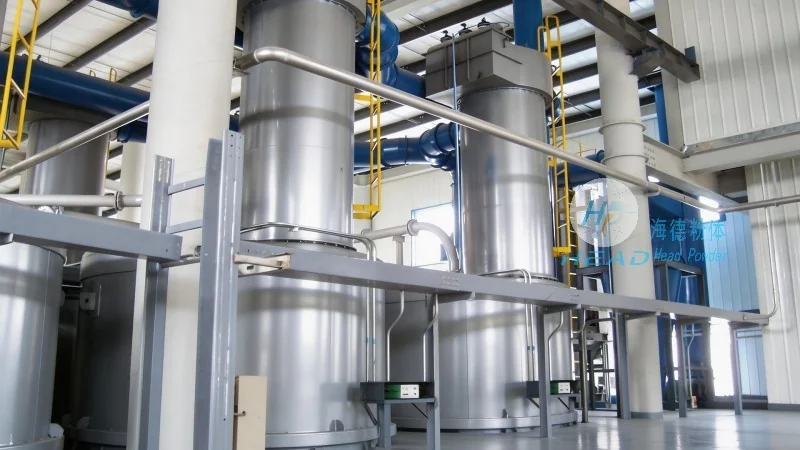
Dilute Phase Pneumatic Conveying
Dilute phase systems operate at higher air-to-solids ratios, typically with air velocities exceeding the minimum fluidization velocity of the slurry particles. This method is suitable for transporting slurries over moderate distances (up to several kilometers) and is often used for applications where the slurry is relatively dilute and the particles are small. The system maintains a relatively low pressure, making it energy-efficient for shorter transport distances. The key advantage lies in its ability to handle a wide range of particle sizes and concentrations without significant clogging or blockage in the pipeline.
Dense Phase Pneumatic Conveying
In contrast, dense phase systems operate at lower air-to-solids ratios, with air velocities below the minimum fluidization velocity. This approach results in a higher solids concentration in the pipeline, where the slurry moves in a plug flow or slug flow pattern. Dense phase conveying is ideal for long-distance transport (up to tens of kilometers) and for handling slurries with larger particles or higher viscosity. The system requires higher pressure and more energy compared to dilute phase, but it offers better control over the flow rate and reduces the risk of particle degradation or degradation due to excessive shear forces.
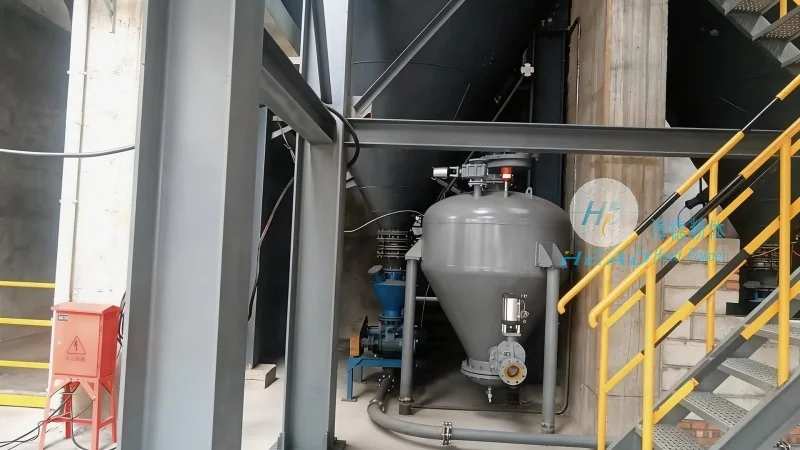
Application Classifications and Industrial Use Cases
The classification of pneumatic conveying systems for tailings slurry is often based on the operational mode and the specific requirements of the application. Common applications include: (1) On-site tailings management, where the system transports processed tailings from the processing plant to a storage or disposal facility; (2) Reclamation and rehabilitation projects, where the slurry is transported to reclamation sites for land restoration; (3) Industrial processing, such as in the chemical or food industries, where tailings may be used as raw materials or byproducts; (4) Environmental remediation, where the system is used to transport contaminated slurry for treatment and disposal.
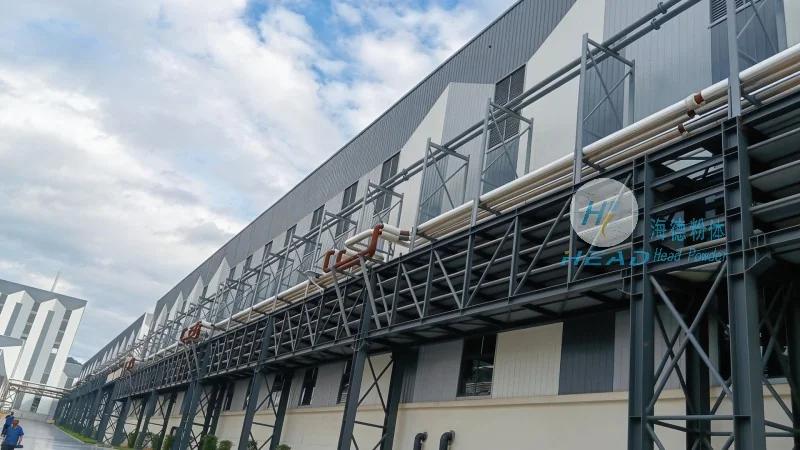
Key Considerations for System Design and Implementation
When designing a pneumatic conveying system for tailings slurry, several factors must be considered to ensure optimal performance and longevity. These include the slurry's physical properties (e.g., particle size distribution, density, viscosity), the required transport distance, the desired flow rate, and the available space for installation. The choice between dilute and dense phase systems depends on these factors, as well as the specific operational constraints and cost considerations. Proper system sizing, material selection for pipelines and components, and maintenance protocols are critical to minimizing downtime and operational costs.
Conclusion and Company Overview
Pneumatic conveying technology offers a versatile and efficient solution for handling tailings slurry in various mining and industrial applications. By understanding the working principles and application classifications, operators can select the most appropriate system for their specific needs. Shandong HeadPowder Engineering Co., Ltd., a leading provider in this field, specializes in designing and implementing customized pneumatic conveying solutions tailored to the unique requirements of each project. With a focus on innovation and reliability, HeadPowder Engineering ensures that its systems meet the highest standards of performance and safety, contributing to the sustainable management of tailings and the optimization of mining operations.