News
Rich project cases across industries, showing real implementation and proven technical strength.Straw powder, a finely milled biomass material derived from agricultural residues such as wheat, rice, corn, and barley straw, has become increasingly important in industries ranging from bioenergy and animal feed to composite materials and chemical production. However, its physical characteristics introduce distinct conveying difficulties that set it apart from conventional granular or powdered materials. Straw powder typically exhibits low bulk density—often between 80 and 150 kg/m³—alongside high compressibility, poor flowability, and a tendency to agglomerate under moisture or static charge. These properties can cause blockages, bridging, and erratic flow in mechanical conveyors, making pneumatic conveying systems the preferred solution for reliable, enclosed, and efficient material transport. A well-designed pneumatic conveying system can handle the fibrous, lightweight nature of straw powder while minimizing degradation, dust emissions, and energy consumption. Understanding the key principles, system configurations, and design parameters specific to straw powder is essential for engineers and plant operators seeking to optimize their material handling operations. This overview provides a comprehensive examination of pneumatic conveying for straw powder, covering system types, component selection, operational considerations, and real-world application insights.
Traditional mechanical conveyors—such as belt conveyors, screw conveyors, and bucket elevators—often struggle with straw powder due to its low density and cohesive behavior. Mechanical systems are prone to dust leakage, material buildup, and mechanical wear, particularly when handling fine particles. Pneumatic conveying offers several advantages that make it especially suitable for straw powder:
Given these advantages, pneumatic conveying has become the standard technology in industries where straw powder is a primary feedstock, including biomass pellet plants, feed mills, and fiberboard manufacturing.
Pneumatic conveying systems generally fall into two categories based on the ratio of air to material: dilute phase and dense phase. Each offers different trade-offs in terms of velocity, pressure, energy consumption, and material handling characteristics.
Dilute phase conveying is the most common method for straw powder. In this configuration, the material is suspended in a high-velocity airstream (typically 20 to 35 m/s) and transported through the pipeline at low solid-to-air ratios. It is suitable for short to medium distances (up to about 200 meters) and can handle moderate throughputs. For straw powder, dilute phase systems are effective when the material is dry (moisture content below 12%), has been screened to remove oversized fibers, and does not require extremely gentle handling. However, high velocity can lead to particle attrition and pipeline wear, particularly at bends. To mitigate this, wear-resistant elbows, ceramic liners, or long-radius bends are often specified.
Dense phase conveying operates at lower velocities (typically 2 to 10 m/s) and higher material concentrations, using pressure differentials to push slugs or plugs of material through the line. This method is ideal for fragile or abrasive materials, but its application to straw powder requires careful assessment. Straw powder’s high compressibility and low permeability can cause it to compact into a solid plug under pressure, leading to system blockages. Therefore, dense phase conveying of straw powder is generally feasible only when the material has been preconditioned—for example, through pelletization or agglomeration—or when specialized air injection and blow-tank designs are employed. In practice, dilute phase remains the more reliable and widely adopted solution for raw straw powder.
Designing a pneumatic conveying system for straw powder demands specific attention to several parameters that differ significantly from those for conventional powders like cement or flour. The following factors must be evaluated during the engineering phase:
These parameters are not independent; they interact in complex ways. For example, increasing pipeline diameter may reduce velocity but also increase pressure drop if the loading ratio is not adjusted. That is why simulation software and pilot testing are valuable tools in the design phase.
A complete pneumatic conveying system for straw powder consists of several key components, each of which must be selected or modified to suit the material’s unique properties:
Even with a well-designed system, operators must be aware of challenges specific to straw powder conveying. One frequent issue is material buildup inside the pipeline, especially during startup or when moisture content fluctuates. Regular inspection and scheduled cleaning of pipelines—particularly at bends—can prevent gradual capacity loss. Another challenge is static electricity accumulation, which can cause particles to cling to pipe walls and increase explosion risk. Adding conductive piping materials or grounding straps mitigates this hazard. Additionally, straw powder is susceptible to temperature rise during conveying due to friction; if the temperature approaches the material’s ignition point (typically around 250°C for dry straw), safety interlocks must trigger system shutdown. Finally, air leakage at feeder seals or flanges can disrupt the pressure balance and reduce conveying efficiency. Routine preventive maintenance, including seal replacement and leak detection, is essential for long-term reliability.
Pneumatic conveying of straw powder has found growing adoption across several sectors. In the biomass energy industry, straw powder is pneumatically fed into gasifiers, boilers, or pellet mills. For instance, a medium-sized biomass power plant with a capacity of 10 MW may require a conveying system capable of handling 4–6 tons per hour of straw powder over a distance of 80 meters. Typical systems operate at an air velocity of 24 m/s with a solid-to-air ratio of 10:1, consuming approximately 45–55 kW of blower power. In animal feed production, straw powder is mixed with molasses or other binders to produce feed pellets; here, conveying must minimize dust generation to maintain workplace safety. A feed mill in northern Europe reported a 40% reduction in dust emissions after switching from a mechanical screw conveyor to a dilute-phase pneumatic system supplied by a specialized manufacturer. In fiber-reinforced composite manufacturing, straw powder is used as a filler material, requiring consistent particle size and low contamination. Pneumatic conveying systems with magnetic separators and inline sieves ensure that only clean, properly graded material reaches the mixing stage.
Market data from 2025–2026 indicates that the global pneumatic conveying equipment market for biomass powders is projected to grow at a compound annual rate of 6.2%, driven by stricter dust emission regulations and the expansion of renewable energy. For straw powder specifically, the demand for energy-optimized systems with intelligent control is rising. Systems that can automatically adjust air velocity based on real-time material characteristics are gaining traction, as they reduce energy consumption by up to 18% compared to fixed-speed designs.
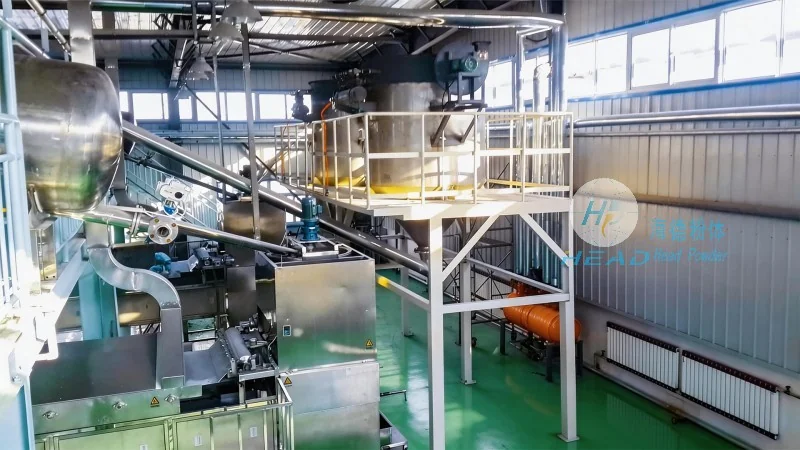
With extensive experience in handling challenging powders, headpowder offers customized pneumatic conveying systems specifically engineered for straw powder applications. The company’s engineering team begins each project with a thorough analysis of the material’s physical and flow properties using a powder rheometer and shear cell testing. This data informs the selection of air velocity, pipeline diameter, bend geometry, and blower specifications to achieve optimal balance between throughput, energy efficiency, and material integrity. For example, in a recent project for a biomass pellet producer handling 8 tons per hour of wheat straw powder over a 120-meter horizontal distance with 15 meters of vertical lift, headpowder designed a dilute-phase system with a 250 mm pipeline, ceramic-lined elbows, and a 90 kW blower equipped with a variable frequency drive. The system achieved a consistent conveying rate with less than 3% particle size degradation, meeting the client’s strict quality requirements. Additionally, headpowder provides integrated control solutions that include pressure and flow monitoring, automatic blow-down for filter cleaning, and remote diagnostics. For inquiries regarding straw powder conveying system design, retrofitting, or troubleshooting, contact headpowder directly. (咨询热线:156-6277-7102)
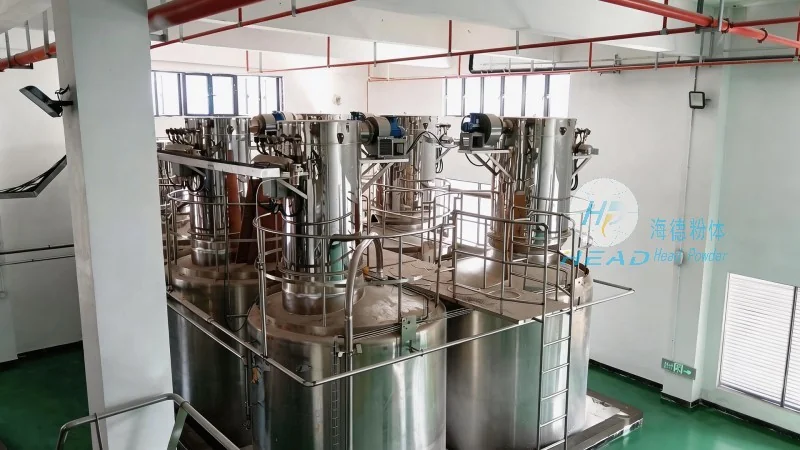
As the bioeconomy expands and sustainability regulations tighten, the pneumatic conveying industry is evolving to address new demands. One key trend is the integration of artificial intelligence and predictive maintenance. By embedding sensors along the pipeline to monitor vibration, pressure fluctuations, and temperature, operators can predict blockages or wear before they cause production stoppages. Another trend is the development of low-velocity, high-concentration conveying systems that reduce energy consumption and particle damage even further. Researchers are exploring the use of air injection nozzles at regular intervals to fluidize straw powder in dense phase mode, potentially unlocking new applications. Additionally, modular and containerized conveying units are becoming popular for mobile or temporary biomass processing sites, where quick deployment and disassembly are critical. These systems are designed to be plug-and-play, with pre-configured pipelines and standardized components that reduce on-site engineering time. For end-users, choosing a partner like headpowder that stays at the forefront of these innovations ensures that their material handling solution remains competitive and compliant with evolving industry standards.
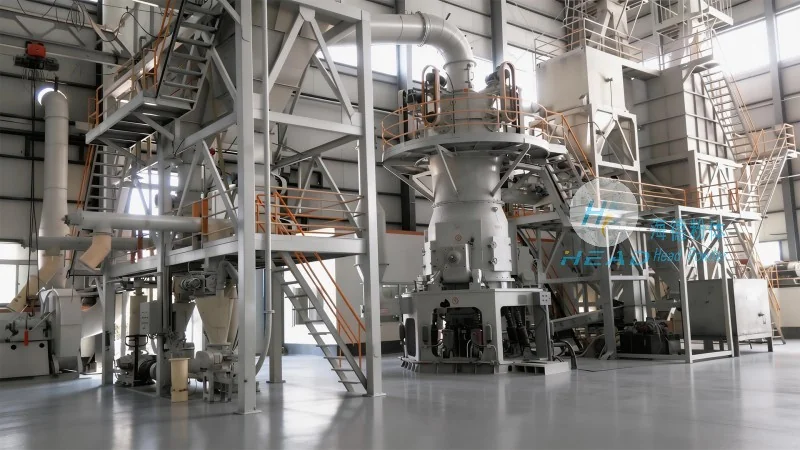
Straw powder conveying via pneumatic technology is a mature yet continually advancing field. Success depends on understanding the interplay between material properties, system design, and operational practices. By selecting the appropriate conveying phase—dilute for most raw straw powders—specifying components that resist wear and clogging, and employing intelligent controls, plants can achieve reliable and cost-effective material transport. The global shift toward biomass utilization and stricter environmental regulations will only increase the importance of efficient, clean, and safe pneumatic conveying solutions. For any facility handling straw powder, investing in a properly engineered system is not an expense but a strategic asset that improves productivity, reduces waste, and enhances workplace safety. Whether you are planning a new installation or seeking to optimize an existing line, consulting with specialists who have hands-on experience with straw powder can make the difference between a system that merely operates and one that delivers exceptional performance over its lifecycle. headpowder remains committed to helping clients navigate this complexity with tailored solutions backed by years of practical expertise. (咨询热线:156-6277-7102)

 Shandong headpowder Engineering Co., Ltd.
 156-6277-7102(Manager Zhang)
  0531-83386006
  Jinan City, Shandong Province, China
服务热线
微信咨询
回到顶部