

Operation Process and Working Principle of Phosphorus Pentachloride Pneumatic Conveying System Equip
Phosphorus pentachloride (PCl₅) is a critical chemical compound widely used in various industrial applications, including pharmaceuticals, agrochemicals, and specialty chemicals. The safe and efficient handling of PCl₅ is paramount due to its reactivity and potential hazards. Pneumatic conveying systems offer a reliable solution for transporting PCl₅ from storage to processing units, ensuring minimal exposure to personnel and maintaining product integrity. This article explores the operation process and working principle of the PCl₅ pneumatic conveying system equipment provided by Shandong HeadPowder Engineering Co., Ltd., a leading manufacturer in the field.
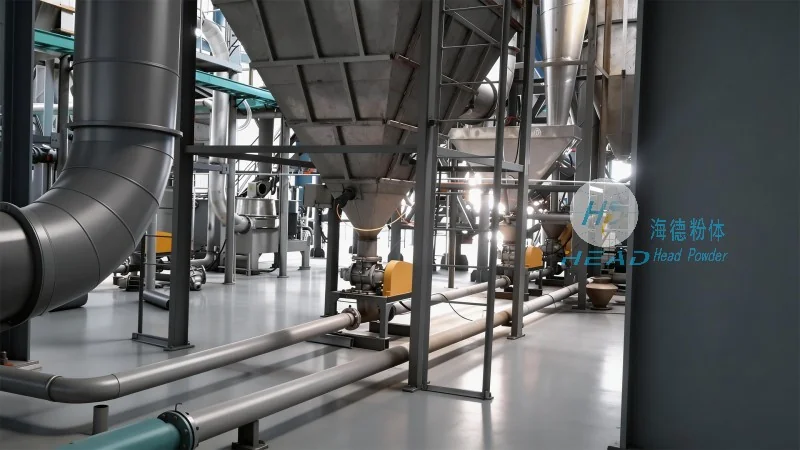
System Overview and Key Components
The PCl₅ pneumatic conveying system is designed to handle the transportation of phosphorus pentachloride through an enclosed, pressurized pipeline network. The system typically consists of several core components that work in tandem to ensure smooth operation. These include a material feeder, a positive displacement blower or rotary lobe pump, a conveying pipeline with appropriate fittings and valves, a dust collection or filtration system, and a discharge unit. Each component is engineered to withstand the corrosive nature of PCl₅ and maintain the integrity of the material during transport.
Working Principle of the Pneumatic Conveying Process
The operation of the PCl₅ pneumatic conveying system is based on the principle of pneumatic transport, where the material is suspended and carried by a stream of air or gas. The process begins with the material feeder, which meters the PCl₅ into the conveying line at a controlled rate. The feeder may be a rotary valve or a screw feeder, designed to handle the bulk material without causing blockages or spillage. As the material enters the pipeline, it is introduced into a high-pressure air stream generated by the blower or pump. The air flow creates a turbulent environment that suspends the PCl₅ particles, preventing them from settling and ensuring uniform transport.

The conveying pipeline is constructed from materials resistant to PCl₅ corrosion, such as stainless steel or specialized alloys, to prevent degradation and contamination. The system may include bends, elbows, and expansion joints to accommodate changes in direction and elevation, maintaining the flow velocity necessary to keep the material airborne. At the receiving end, the PCl₅ is discharged into a processing unit or storage vessel through a controlled valve. A filtration or dust collection system is integrated to capture any fine particles that may escape, ensuring compliance with environmental and safety regulations.
Operation Process: Step-by-Step Guide
The operation of the PCl₅ pneumatic conveying system follows a systematic sequence to ensure efficient and safe material transport. The process starts with system preparation, where the pipeline is purged with inert gas to remove any residual air and prevent oxidation of PCl₅. The feeder is then activated to start the material flow, and the blower is set to the appropriate pressure and flow rate. As the material is conveyed, the system monitors key parameters such as pressure, flow rate, and temperature to ensure optimal performance. Any deviations are automatically adjusted by the control system to maintain stable operation.
During operation, the system continuously circulates the air stream, ensuring that the PCl₅ particles remain suspended. The discharge unit regulates the flow of material into the receiving vessel, preventing overfilling or backflow. The filtration system operates in parallel, capturing any fine dust that may be generated during the conveying process. Once the required amount of PCl₅ has been transported, the system is shut down in a controlled manner, with the blower and feeder deactivated and the pipeline depressurized. The system is then cleaned and inspected to prepare for the next batch.
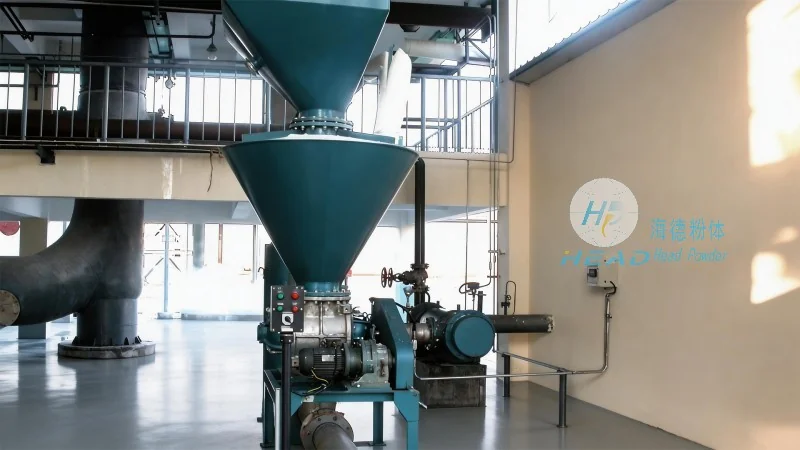
Advantages of the PCl₅ Pneumatic Conveying System
The PCl₅ pneumatic conveying system offers several advantages over traditional mechanical conveying methods. Firstly, it eliminates the need for manual handling, reducing the risk of exposure to PCl₅ and minimizing the potential for accidents. The enclosed system also prevents dust emissions, improving workplace safety and environmental compliance. Additionally, the system provides consistent and reliable transport, with minimal product degradation due to the absence of mechanical contact. The automated control system enhances operational efficiency, reducing downtime and labor costs. Furthermore, the system can be scaled to accommodate varying production volumes, making it suitable for both small-scale and large-scale industrial applications.
Maintenance and Safety Considerations
Proper maintenance is crucial to ensure the longevity and safety of the PCl₅ pneumatic conveying system. Regular inspections of the pipeline, fittings, and components are necessary to detect any signs of corrosion or wear. The blower and feeder should be checked for proper lubrication and alignment to maintain optimal performance. The filtration system must be cleaned or replaced regularly to prevent clogging and ensure efficient dust capture. Safety protocols must be strictly followed during operation, including the use of personal protective equipment (PPE) and the implementation of emergency shutdown procedures. The system should also be equipped with alarms and sensors to detect any abnormalities, such as pressure spikes or material blockages, and trigger appropriate responses.