

Operation Process and Working Principle of Cement Auxiliary Materials Pneumatic Conveying System Equ
Shandong HeadPowder Engineering Co., Ltd. is a professional manufacturer and supplier specializing in industrial conveying equipment, particularly focusing on pneumatic conveying systems for cement auxiliary materials. With a strong engineering background and years of industry experience, the company provides high-quality solutions tailored to the needs of various cement production facilities.
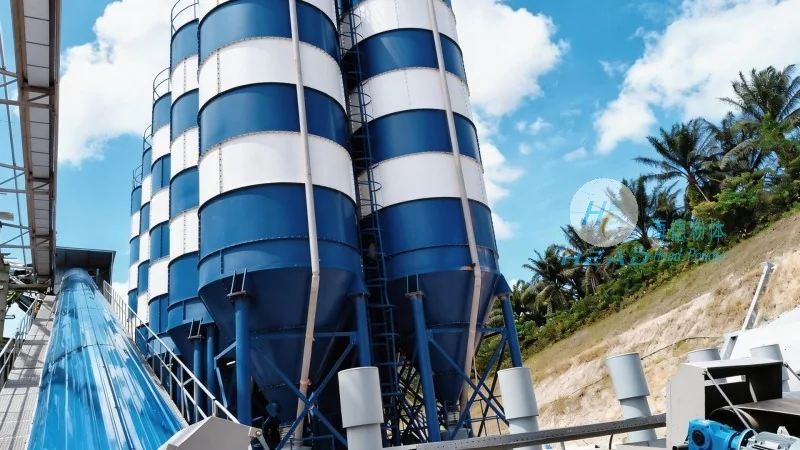
Understanding Pneumatic Conveying Systems for Cement Auxiliary Materials
In the cement industry, the efficient and reliable transport of auxiliary materials such as limestone, gypsum, and fly ash is crucial for maintaining production efficiency and product quality. Pneumatic conveying systems offer a flexible and effective method to handle these materials, ensuring smooth operation and minimizing downtime. These systems utilize air pressure to move bulk materials through pipelines, eliminating the need for traditional mechanical conveyors and reducing maintenance costs.
Components and Working Principle of the Pneumatic Conveying System
The pneumatic conveying system for cement auxiliary materials typically consists of several key components, including a material hopper, a rotary valve, a conveying pipeline, a dust collector, and a control system. The operation process begins with the material being fed into the hopper from a storage silo. The rotary valve then regulates the flow of material into the pipeline, where it is carried by a high-velocity air stream. The air and material mixture travels through the pipeline to the destination point, such as a cement mill or storage silo. The dust collector is integrated to capture any airborne particles, ensuring environmental compliance and product purity. The control system monitors and adjusts the air pressure, flow rate, and material feed rate to maintain optimal performance.
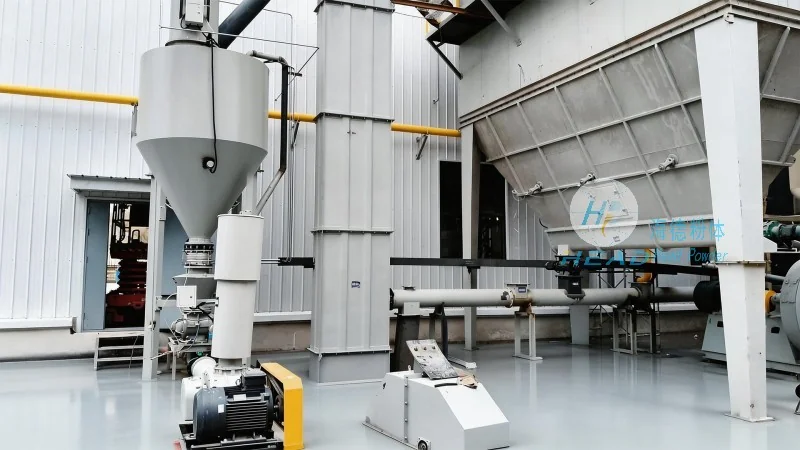
Step-by-Step Operation Process of the System
The operation of the pneumatic conveying system involves several sequential steps that ensure the smooth and continuous transport of cement auxiliary materials. First, the material is stored in a bulk storage silo and fed into the material hopper. The rotary valve, which acts as a gate valve, controls the discharge of material into the conveying pipeline. The system then generates a high-pressure air stream, which is introduced into the pipeline via a blower or compressor. As the air flows through the pipeline, it entrains the material particles, forming a dense phase or dilute phase flow depending on the system design. The material is then transported to the target location, where it is discharged into a receiving silo or directly into a cement mill. The dust collector continuously removes any fine particles from the air stream, preventing contamination and ensuring clean operation. The control system continuously monitors the system parameters, such as pressure, flow rate, and material level, and adjusts the operation as needed to maintain optimal performance.
Advantages of the Pneumatic Conveying System
Compared to traditional mechanical conveying methods, the pneumatic conveying system for cement auxiliary materials offers several advantages. First, it provides a dust-free and enclosed transport process, which enhances product quality and reduces environmental impact. The system is also flexible and can be easily integrated into existing production lines, allowing for changes in material flow or capacity. Additionally, the system requires less maintenance as there are fewer moving parts compared to mechanical conveyors, resulting in lower operational costs. The ability to handle a wide range of materials, including fine powders and bulk solids, makes the system versatile and suitable for various cement production applications.
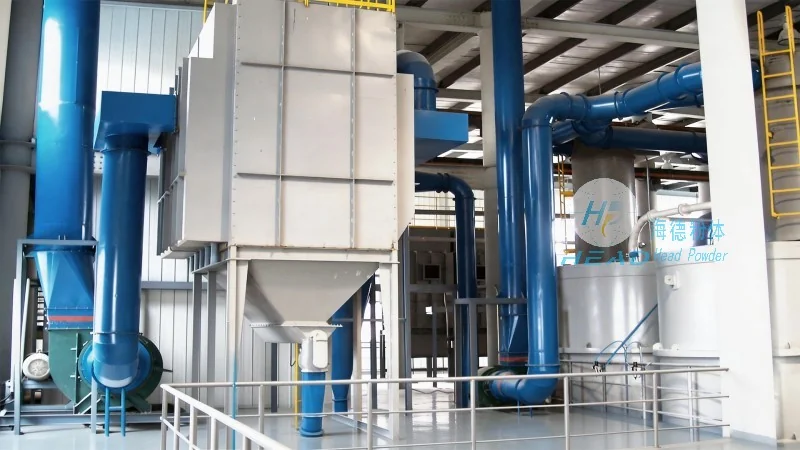
Applications in Cement Production
The pneumatic conveying system is widely used in cement production facilities to transport auxiliary materials such as limestone, gypsum, and fly ash. These materials are essential for adjusting the chemical composition and physical properties of the cement clinker, ensuring the final product meets the required standards. The system is particularly useful in large-scale cement plants where high material throughput is required. By efficiently transporting these materials, the system helps to maintain consistent production rates and improve overall plant efficiency. The system can also be customized to handle different material types and flow rates, making it a versatile solution for various cement production needs.
Conclusion
Shandong HeadPowder Engineering Co., Ltd. provides reliable and efficient pneumatic conveying systems for cement auxiliary materials, designed to meet the demanding requirements of modern cement production. The system's operation process and working principle ensure smooth and continuous material transport, while its advantages, such as dust-free operation and low maintenance, make it an ideal choice for cement plants. By leveraging advanced engineering and manufacturing techniques, the company delivers high-quality solutions that enhance production efficiency and product quality. For cement production facilities seeking to improve their material handling processes, the pneumatic conveying system from HeadPowder is a reliable and effective option.