

Operation Process and Working Principle of Rare Earth Crystal Powder Pneumatic Conveying System Equi
HeadPowder, a reputable enterprise headquartered in Shandong, China, specializes in the design, manufacturing, and supply of advanced pneumatic conveying systems tailored for handling rare earth crystal powders. This article provides an in-depth look at the operational workflow and technical principles behind these systems, offering a comprehensive understanding of their functionality and efficiency.
About HeadPowder: Leading Provider of Pneumatic Conveying Solutions
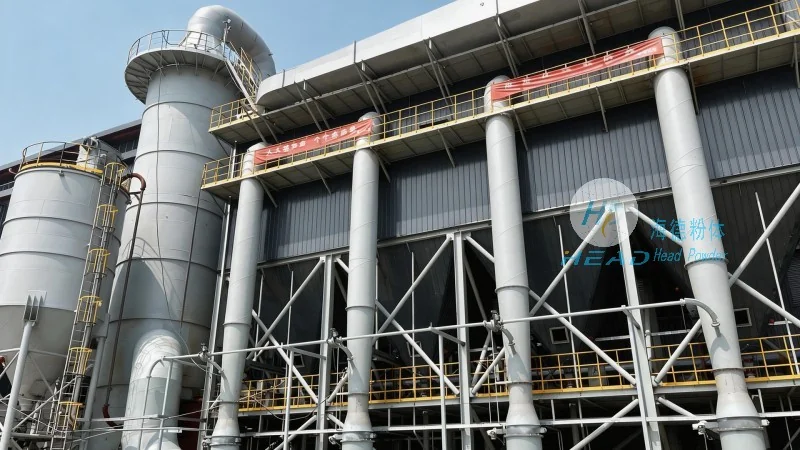
HeadPowder Engineering Co., Ltd. is a trusted company based in Shandong, China. With extensive experience in material handling and processing, the firm has established itself as a leading supplier of high-quality pneumatic conveying equipment. HeadPowder's expertise lies in developing customized solutions that meet the specific needs of industries dealing with fine powders, including rare earth materials. The company's commitment to innovation and quality ensures that their products are reliable, efficient, and durable, catering to the demanding requirements of modern industrial applications.
Operation Process of Rare Earth Crystal Powder Pneumatic Conveying Systems
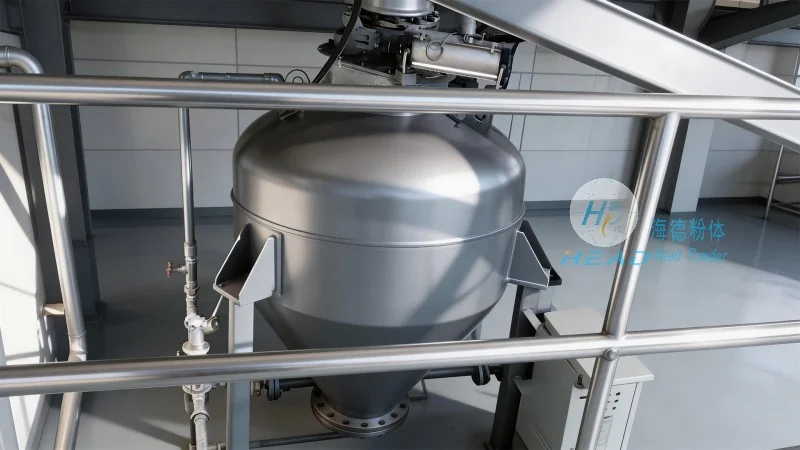
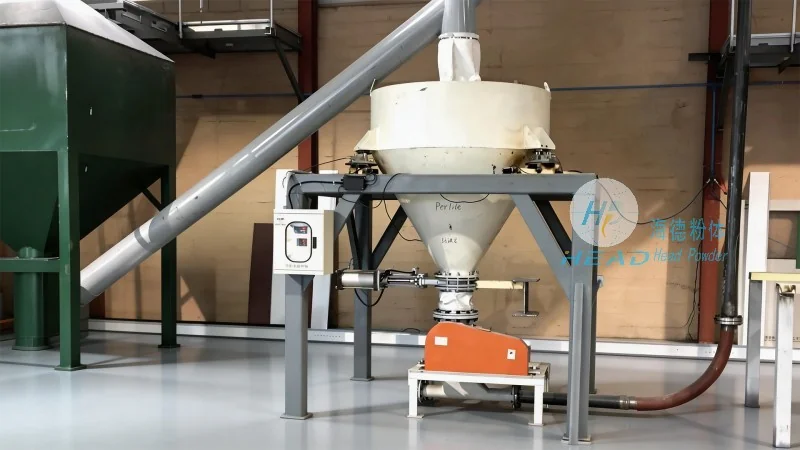
The operation of a rare earth crystal powder pneumatic conveying system involves a series of coordinated steps to transport the material from the source to the destination. The process typically begins with the loading of the powder into the hopper or storage tank. Once the material is ready, the system initiates the conveying cycle by activating the air compressor, which generates the necessary air pressure to move the powder. The compressed air is then introduced into the conveying line, creating a flow that propels the powder particles through the system. As the powder travels, it passes through various components such as the feeder, pipeline, and control valves, ensuring a smooth and continuous flow. The system may include features like pulse-jet cleaning for the pipelines to maintain efficiency and prevent blockages. The conveying process concludes when the powder reaches the discharge point, where it is collected in the receiving container. Throughout the operation, the system's control panel monitors parameters like air pressure, flow rate, and temperature to ensure optimal performance and safety.
Working Principle of the Equipment
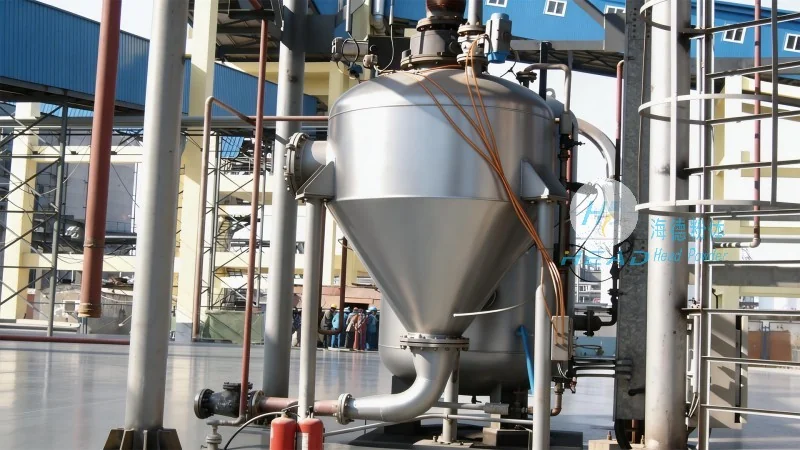
The working principle of a rare earth crystal powder pneumatic conveying system is based on the fundamental concept of fluidization and air suspension. The system utilizes compressed air to create a low-density environment where the powder particles are suspended and transported. The key components of the system, including the air compressor, hopper, feeder, and pipeline, work in tandem to achieve this. The air compressor generates a high-pressure air stream, which is then directed into the conveying line. The feeder controls the flow rate of the powder into the system, ensuring a consistent feed rate. As the air flows through the pipeline, it interacts with the powder particles, lifting them off the bottom of the hopper and carrying them forward. The velocity of the air is crucial; it must be sufficient to keep the powder particles in suspension but not so high as to cause excessive wear or energy consumption. The system may employ different types of conveying modes, such as dilute-phase or dense-phase, depending on the characteristics of the powder and the application requirements. Dilute-phase conveying involves a higher air-to-powder ratio, resulting in a faster and more efficient transport, while dense-phase conveying uses a lower air-to-powder ratio, which is suitable for handling abrasive or sensitive materials like rare earth powders. The control system manages the air pressure and flow rate dynamically, adjusting to changes in the material feed rate or pipeline conditions to maintain stable operation. This ensures that the system operates efficiently, minimizing downtime and maximizing throughput.