

Operating Process and Working Principle of Barite Powder Pneumatic Conveying System Equipment
Shandong HeadPowder Engineering Co., Ltd. specializes in providing advanced pneumatic conveying solutions for barite powder, a critical industrial material used in various applications such as oil drilling, metallurgy, and chemical processing. The barite powder pneumatic conveying system equipment is designed to efficiently transport barite powder from storage silos or production lines to processing units, ensuring minimal loss, high transfer efficiency, and compliance with industrial safety standards. This article delves into the operational process and working principle of this equipment, highlighting its key components, functionality, and benefits.
Key Components of the Pneumatic Conveying System
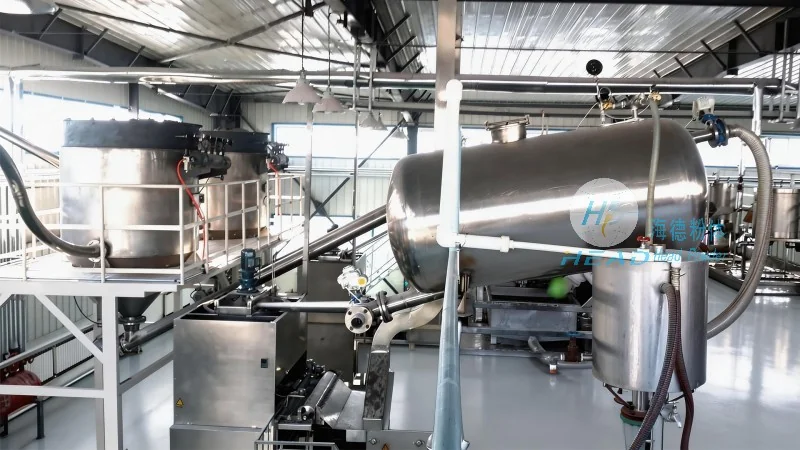
The barite powder pneumatic conveying system typically consists of several core components that work in tandem to achieve effective material transport. These components include a material feeder, a conveying pipeline, a pressure vessel or receiver, a blower or air compressor, and a control system. The material feeder is responsible for feeding the barite powder into the system at a controlled rate, ensuring a consistent flow. The conveying pipeline, often made of stainless steel or other corrosion-resistant materials, transports the powder through the system under pressure. The pressure vessel or receiver collects the conveyed powder and may include a dust collection system to maintain air quality. The blower or air compressor generates the necessary airflow and pressure to move the powder particles through the pipeline. The control system monitors and regulates the operation of all components, ensuring optimal performance and safety.
Working Principle of the Pneumatic Conveying Process
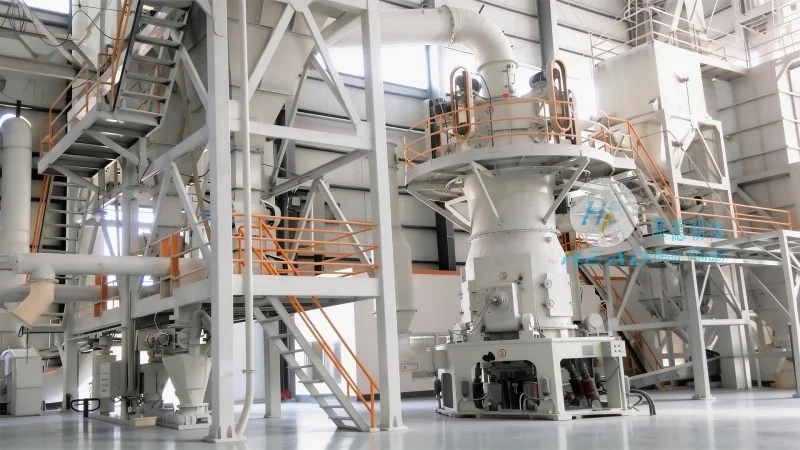
The working principle of the barite powder pneumatic conveying system is based on the use of compressed air to transport the powder particles. The process begins with the material feeder delivering barite powder into the conveying pipeline. Simultaneously, the blower or air compressor supplies high-pressure air into the pipeline. As the air flows through the pipeline, it creates a flow that lifts and transports the powder particles. The powder particles are suspended in the air stream and move along the pipeline to the receiving vessel. The velocity of the air and the size of the powder particles determine the efficiency of the conveying process. Proper design of the pipeline, including bends and elbows, is crucial to minimize pressure drop and maintain the flow of both air and powder. The system may also include a filter or separator at the receiving end to separate the powder from the air, ensuring that the powder is collected in a clean and dry state.
Operational Process: Step-by-Step Guide
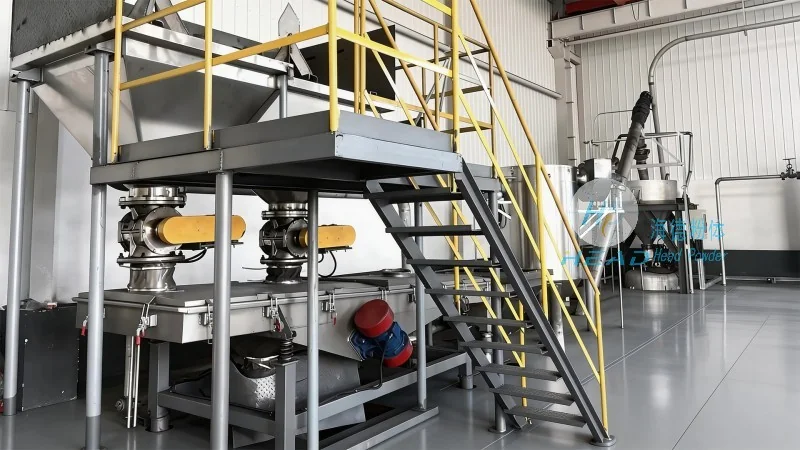
The operational process of the barite powder pneumatic conveying system involves several sequential steps to ensure smooth and efficient material transfer. First, the system is started by activating the blower or air compressor, which generates the required airflow and pressure. Next, the material feeder is activated to feed the barite powder into the conveying pipeline at the desired rate. The powder is then transported through the pipeline to the receiving vessel. The control system continuously monitors the pressure, flow rate, and other parameters to ensure that the system operates within safe and efficient limits. If any issues arise, such as a blockage or pressure drop, the control system may trigger alarms or adjust the operation to prevent damage to the equipment. The system is typically stopped by first shutting off the material feeder and then the blower or air compressor, allowing the remaining powder to be discharged from the pipeline. Proper maintenance and cleaning of the system components are essential to maintain performance and prevent contamination.
Benefits and Applications of the Barite Powder Pneumatic Conveying System
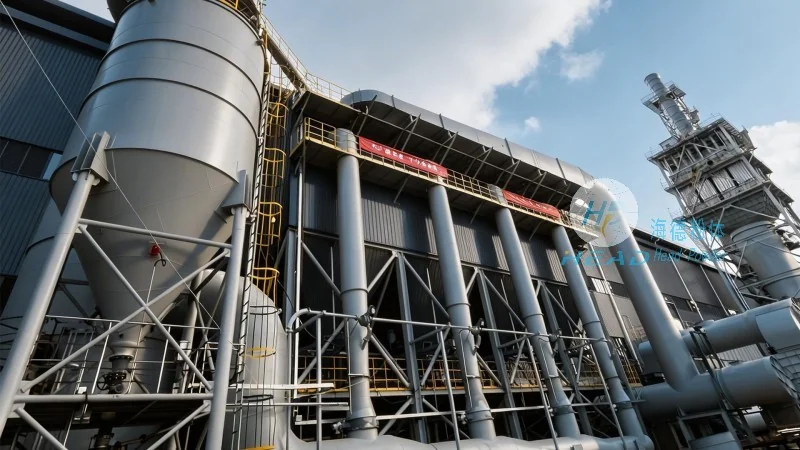
The barite powder pneumatic conveying system offers several advantages over traditional conveying methods, such as bucket elevators or belt conveyors. These benefits include high transfer efficiency, minimal material loss, and reduced labor costs. The system is also capable of handling fine or dusty powders without causing clogging or degradation of the material. Additionally, the equipment is designed to be compact and easy to install, making it suitable for various industrial settings. The barite powder pneumatic conveying system is widely used in the oil and gas industry for transporting barite as a weighting agent in drilling mud. It is also used in metallurgy and chemical processing for transporting barite used as a filler or pigment. The system's ability to handle large volumes of material at high speeds makes it an ideal solution for high-demand industrial applications.