

Operation Process and Working Principle of Oat Flour Pneumatic Conveying Machine
Shandong HeadPowder Engineering Co., Ltd., located in Shandong, China, specializes in providing advanced pneumatic conveying solutions tailored for the handling of oat flour and other fine powders. Our oat flour pneumatic conveying machines are designed to ensure efficient, dust-free, and reliable material transport in industrial settings. This article delves into the operation process and working principles of these systems, highlighting their key components, operational workflow, and benefits.
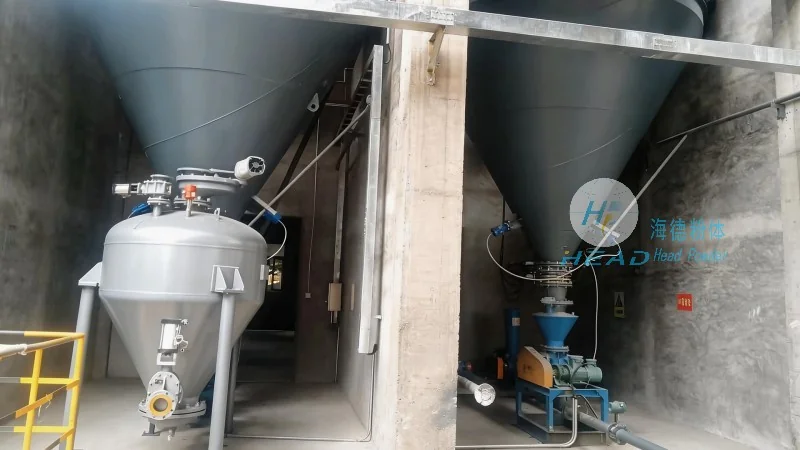
Key Components of the Oat Flour Pneumatic Conveying Machine
The oat flour pneumatic conveying system typically consists of several critical components that work in harmony to achieve seamless material transport. The main parts include the hopper for material storage, a rotary valve or feeder to control the flow of oat flour, a conveying line (often equipped with a filter or cyclone separator), a vacuum or pressure pump to generate the necessary air flow, and a discharge outlet for the processed flour. Each component plays a vital role in maintaining the system's efficiency and preventing material degradation or contamination.
Working Principle of the Oat Flour Pneumatic Conveying Machine
The operation of the oat flour pneumatic conveying machine is based on the principle of air movement to transport solid particles. In a typical system, oat flour is first fed into the hopper from the source, such as a storage silo or processing line. The rotary valve or feeder then regulates the flow of flour into the conveying line, ensuring a consistent and controlled feed rate. Simultaneously, the vacuum or pressure pump generates a flow of air through the conveying line, creating a pressure differential that propels the oat flour particles along the pipeline.
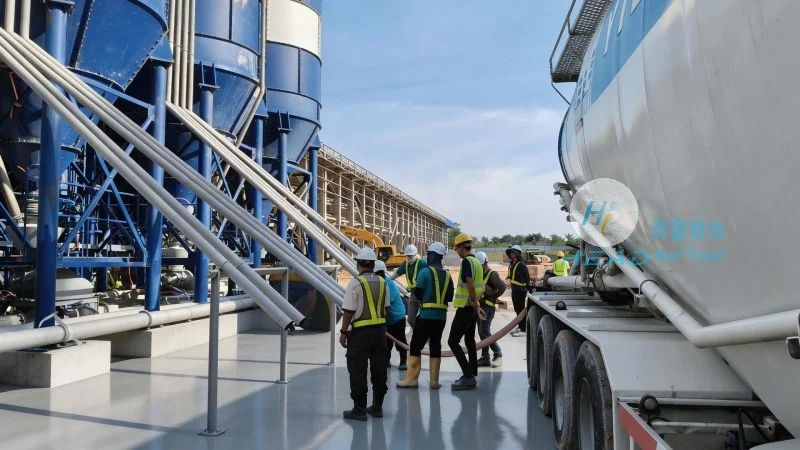
As the oat flour travels through the system, it may encounter a filter or cyclone separator, which separates any entrained air from the solid particles, ensuring that the final product is free from dust and contaminants. The discharge outlet then delivers the purified oat flour to the next stage of processing or packaging. The entire process is automated and can be controlled remotely, allowing for precise adjustment of flow rates and pressure to optimize performance.
Operation Process of the Oat Flour Pneumatic Conveying Machine
The operation process of the oat flour pneumatic conveying machine involves several sequential steps that ensure smooth and continuous material transport. First, the system is initialized by checking all components for proper functionality, including the hopper, feeder, pump, and conveying line. Once confirmed, the rotary valve is activated to start the flow of oat flour from the hopper into the conveying line. The pump then begins to operate, generating the necessary air flow to move the flour particles.
During operation, the system continuously monitors the flow rate and pressure to maintain optimal performance. If any issues arise, such as a blockage or low flow, the system's control panel triggers an alarm and may automatically adjust parameters to resolve the problem. The conveying process continues until the desired amount of oat flour has been transported to the discharge point. At this stage, the pump is shut off, and the rotary valve is closed to prevent material backflow.
Advantages of Using Oat Flour Pneumatic Conveying Machines
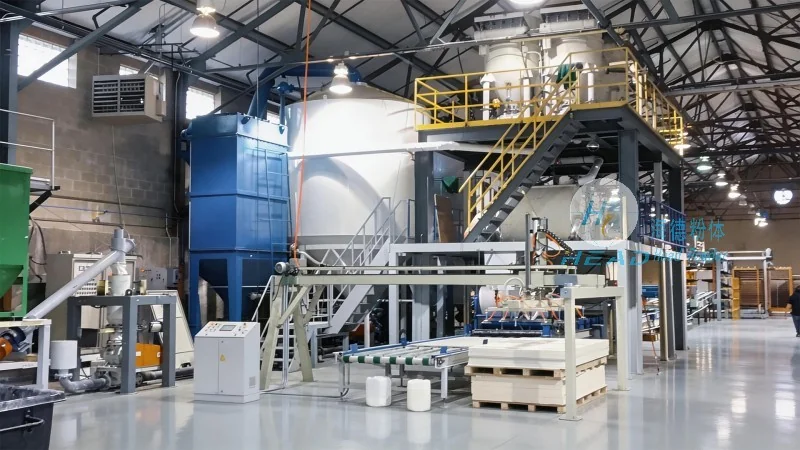
Shandong HeadPowder Engineering Co., Ltd.'s oat flour pneumatic conveying machines offer several advantages over traditional mechanical conveying methods. One of the primary benefits is the elimination of dust and contamination, which is crucial for maintaining the quality of oat flour, especially in food processing applications. The system also reduces the risk of material degradation due to minimal contact with equipment surfaces and avoids the need for manual handling, enhancing workplace safety.
Additionally, pneumatic conveying systems provide greater flexibility in terms of layout and integration with existing processing lines. They can transport oat flour over long distances and through multiple stages of processing without the need for intermediate storage or transfer points. The automated control features also contribute to increased efficiency and reduced labor costs, making these machines a cost-effective solution for industrial oat flour handling.